Laser Welding Machines
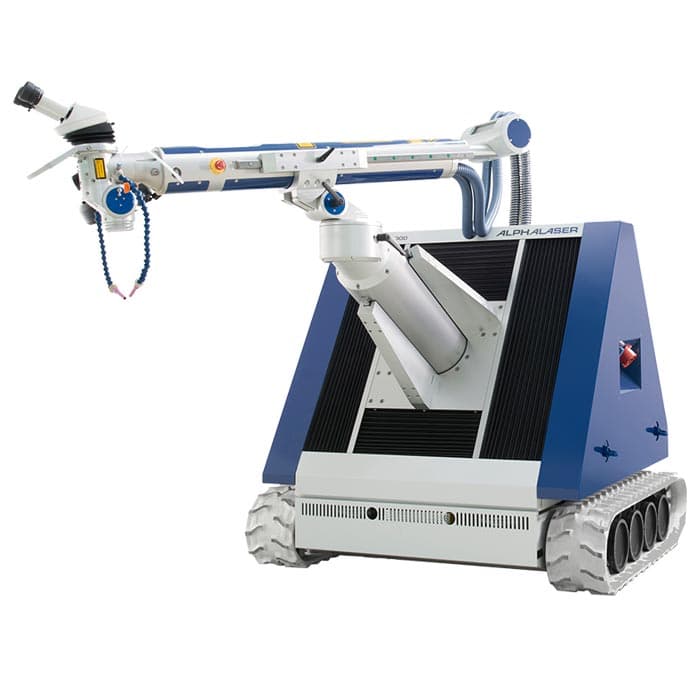
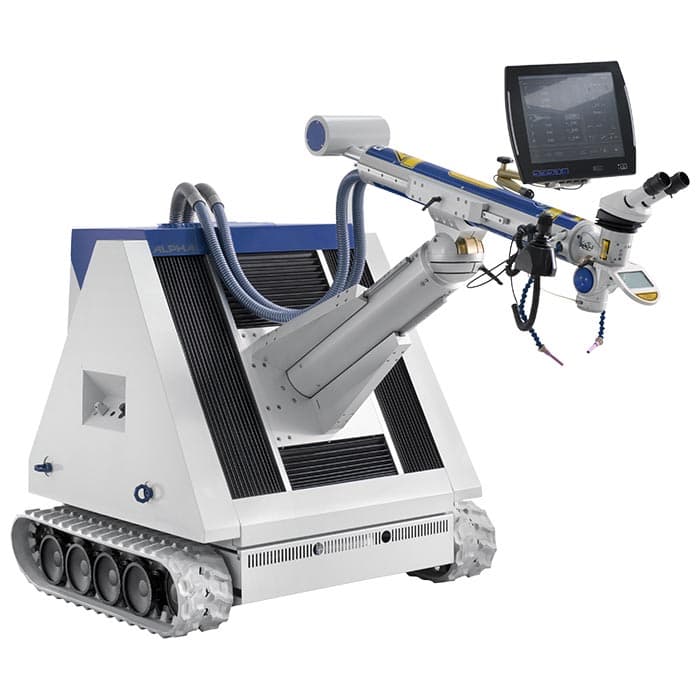
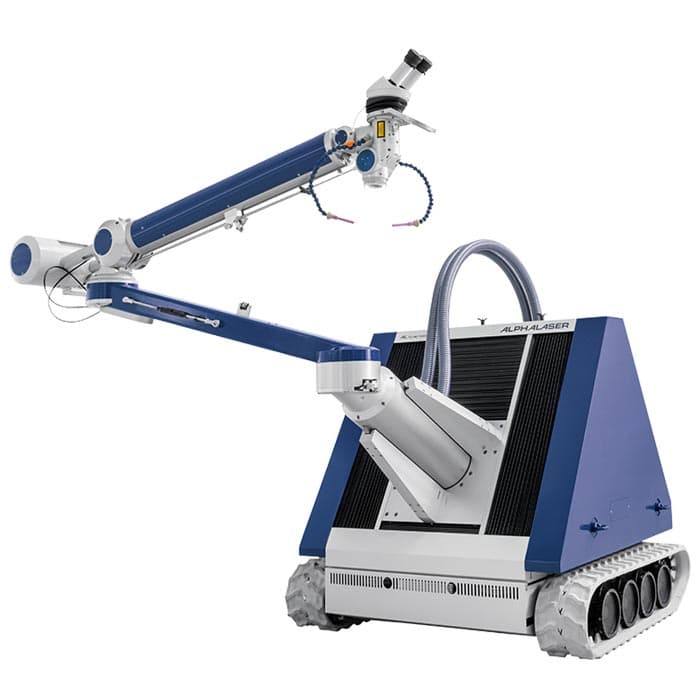
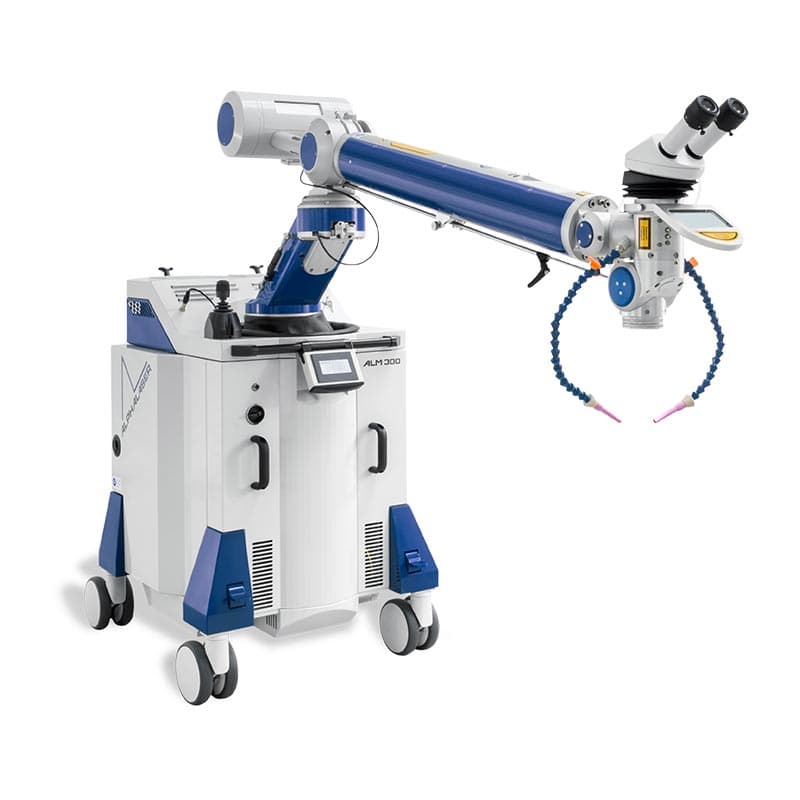
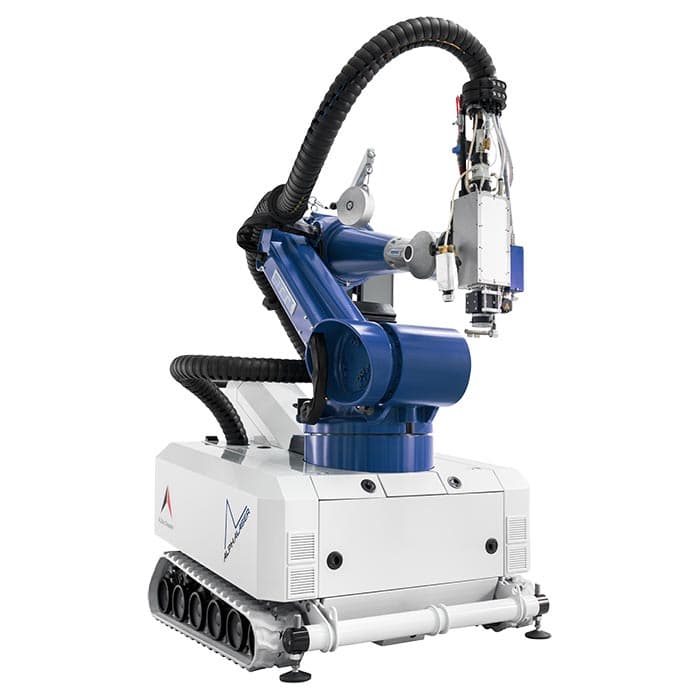
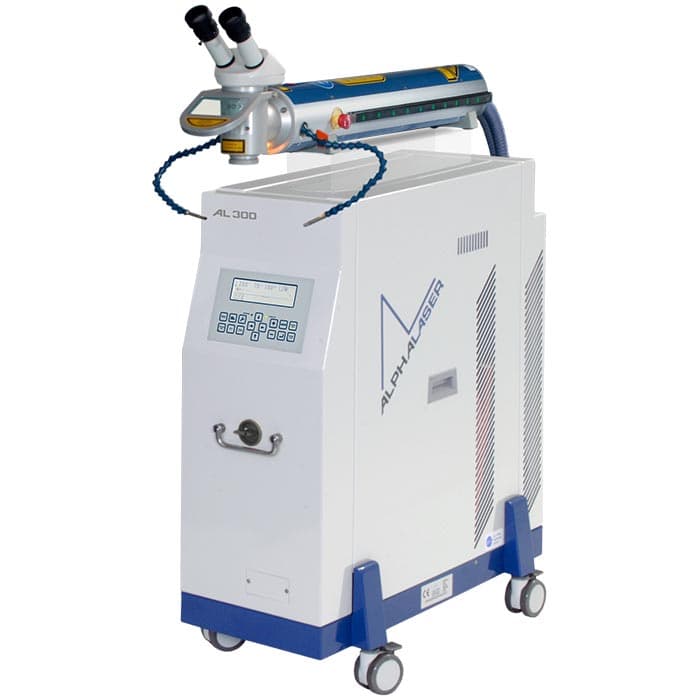
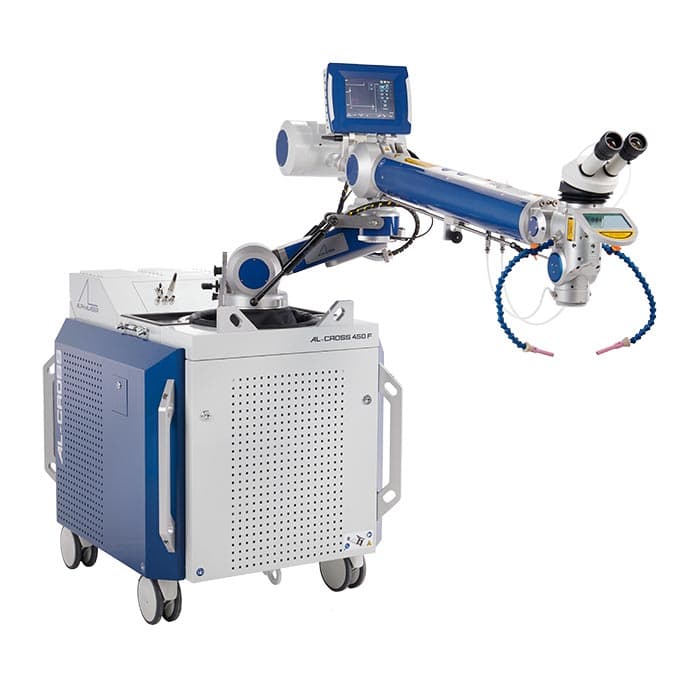
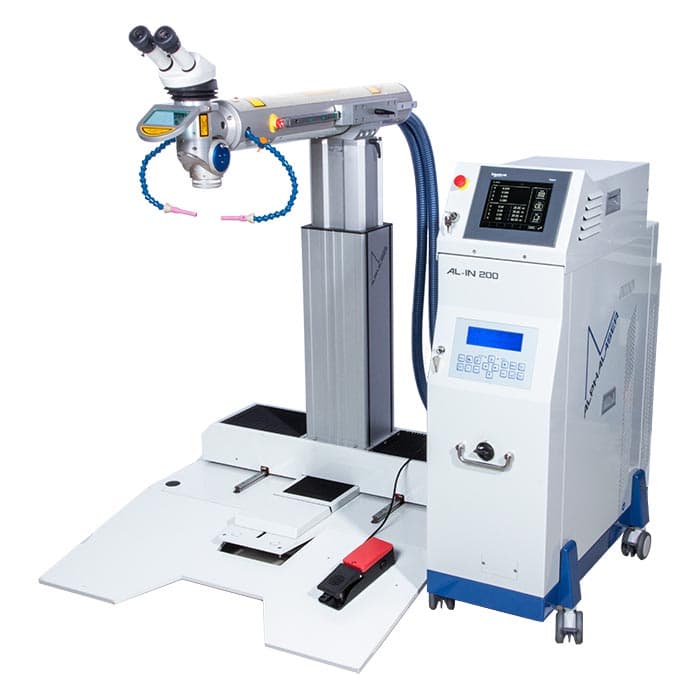
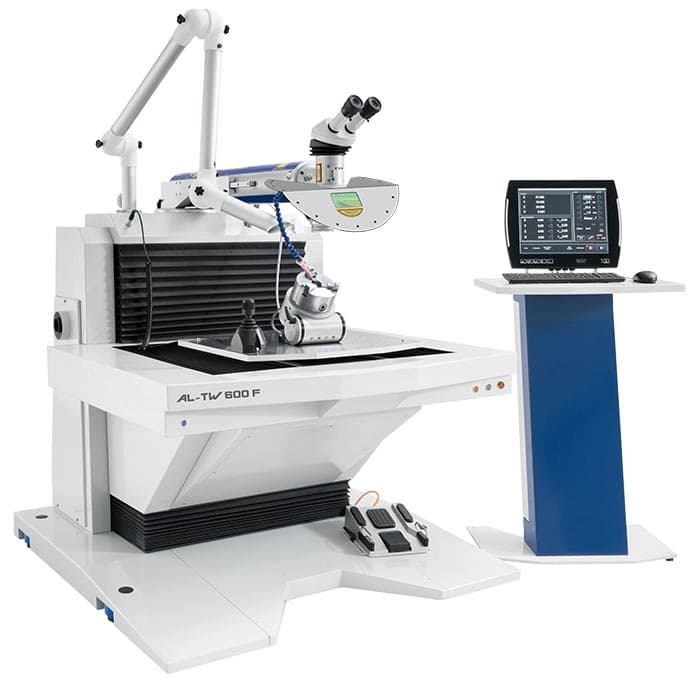
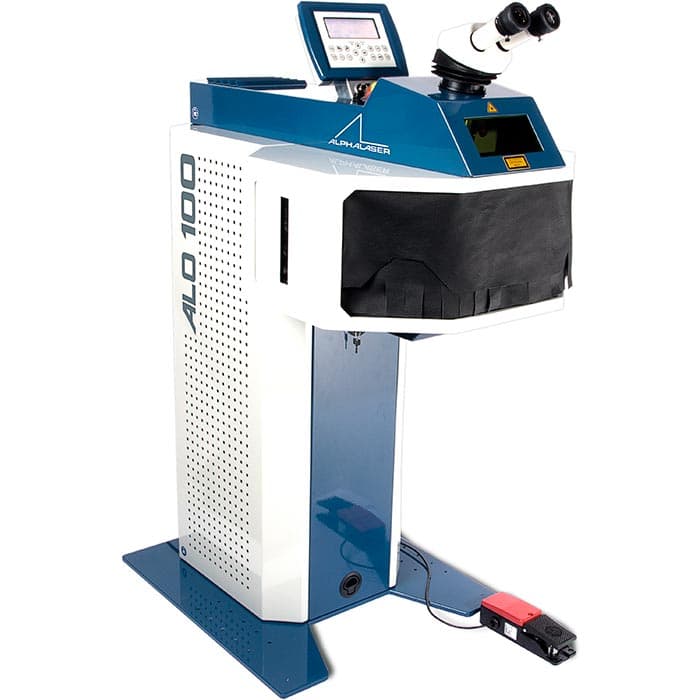
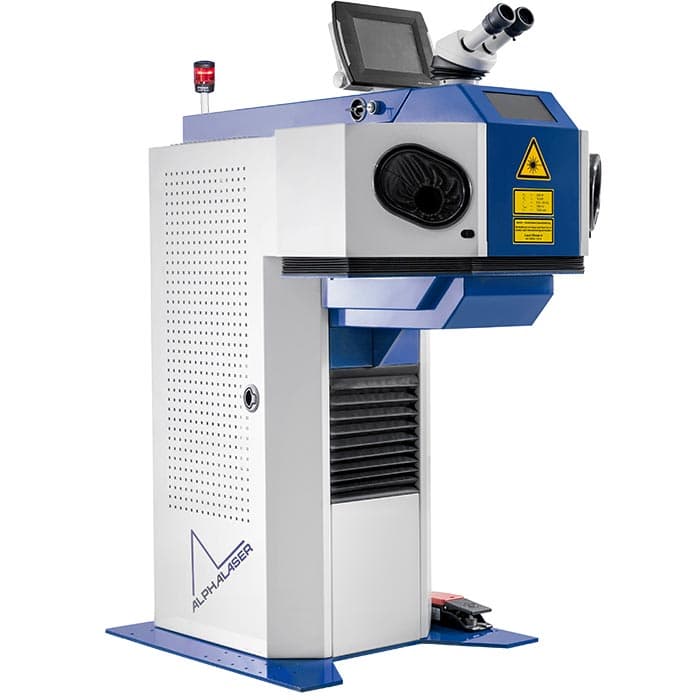
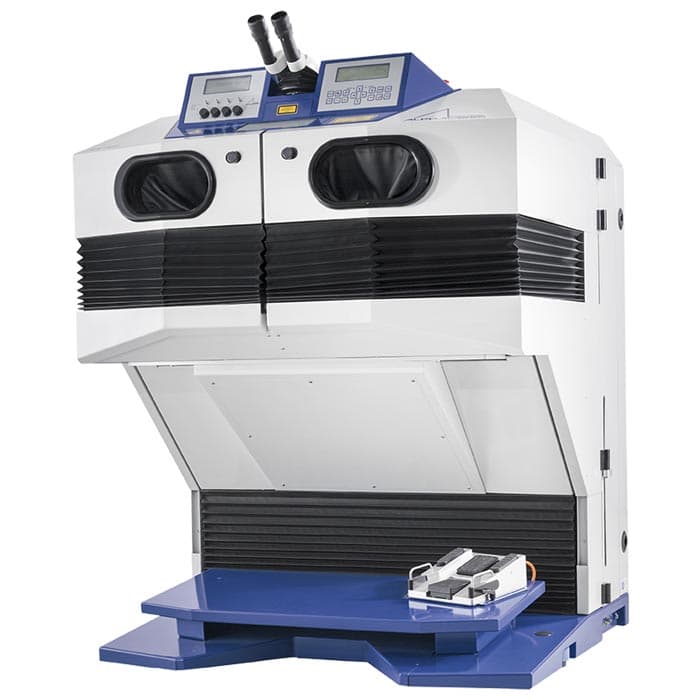
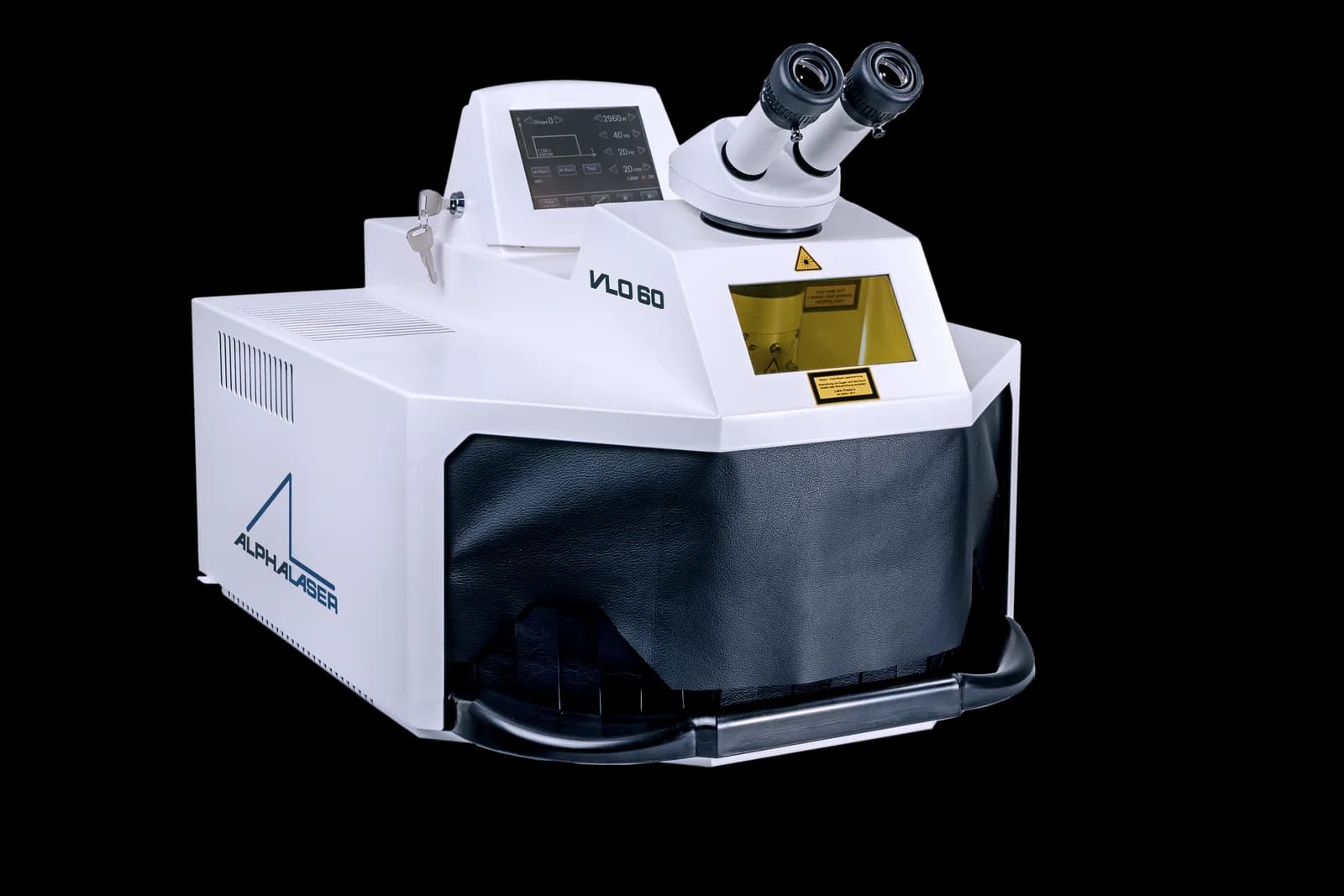
Laser welding puts a very large amount of energy into a very small area, which is what lets it join finished, hardened and heat-sensitive components without distorting them. The ALPHA LASER range runs from a 60 W benchtop unit for fine repair work through to mobile systems that travel to tooling too heavy to move.
Why ALPHA LASER
The advantages at a glance
Most workshops move to laser welding because a conventional process is putting too much heat into the part — and everything downstream of that heat is costing them time.
- Precise energy input, placed exactly where it is needed and nowhere else.
- A very small heat-affected zone, so hardened tool steel keeps its temper and thin sections do not blow through.
- Minimal distortion, which means finish-machined components can be welded and returned to service without corrective work.
- Little or no reworking — a well-set laser weld often needs nothing more than a light dress.
- Access into deep, narrow geometry that a conventional torch simply cannot reach.
- Joins dissimilar metals and very thin material that would be difficult or impossible to weld conventionally.
- Mobile systems bring the laser to the workpiece, which for large tooling is the difference between a repair on the floor and a crane job.
The Technology
How laser welding works
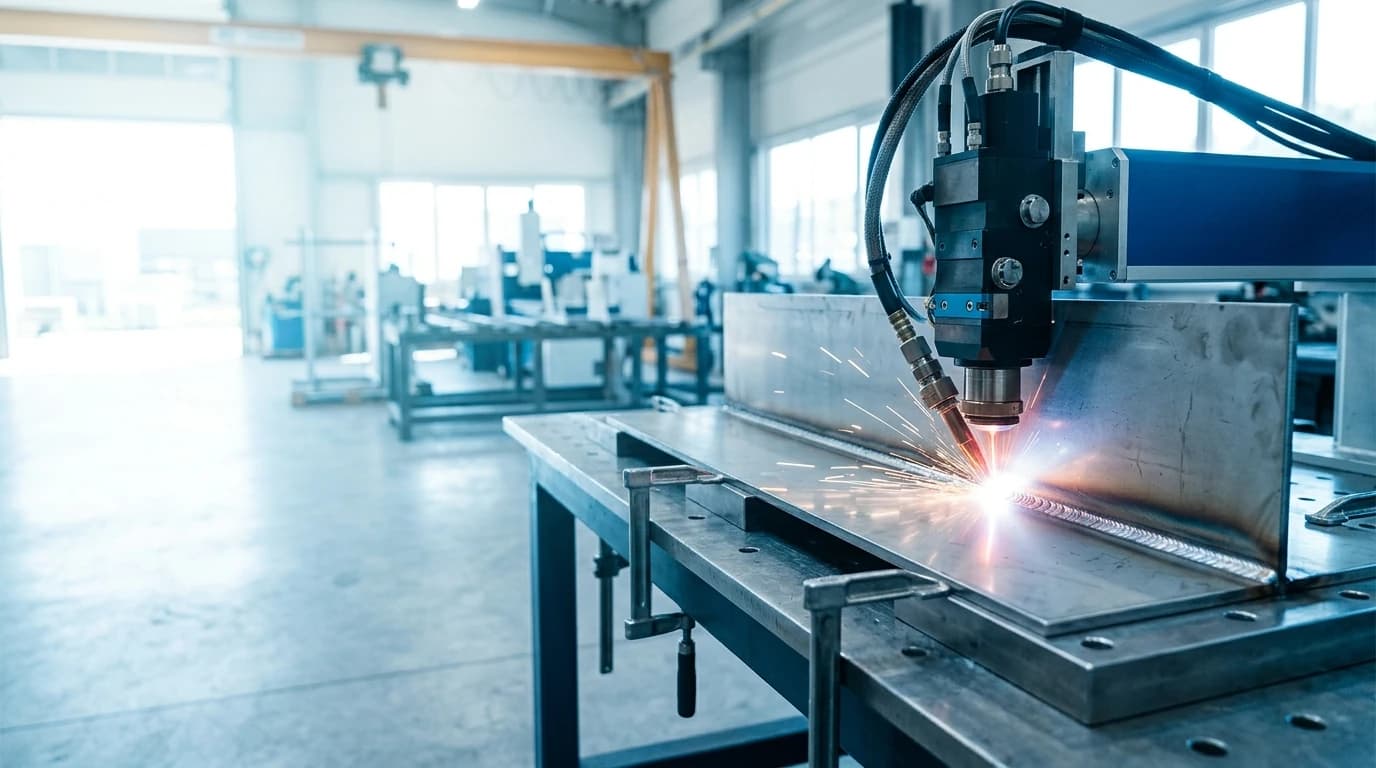
The beam is focused to a spot typically a few tenths of a millimetre across. At that concentration the energy density is high enough to melt a narrow column of metal almost instantly, and because the surrounding material never gets hot, it acts as a heatsink that freezes the weld pool the moment the beam moves on. That is the whole basis of the process: a deep weld and a cold part at the same time.
There are two regimes. In heat conduction welding the surface melts and the heat spreads by conduction, producing a shallow, smooth, cosmetically clean seam — the right choice for visible joints and thin sheet. In deep penetration welding the energy density is high enough to vaporise a narrow capillary, or keyhole, which lets the beam deposit energy well below the surface and produce a weld several times deeper than it is wide.
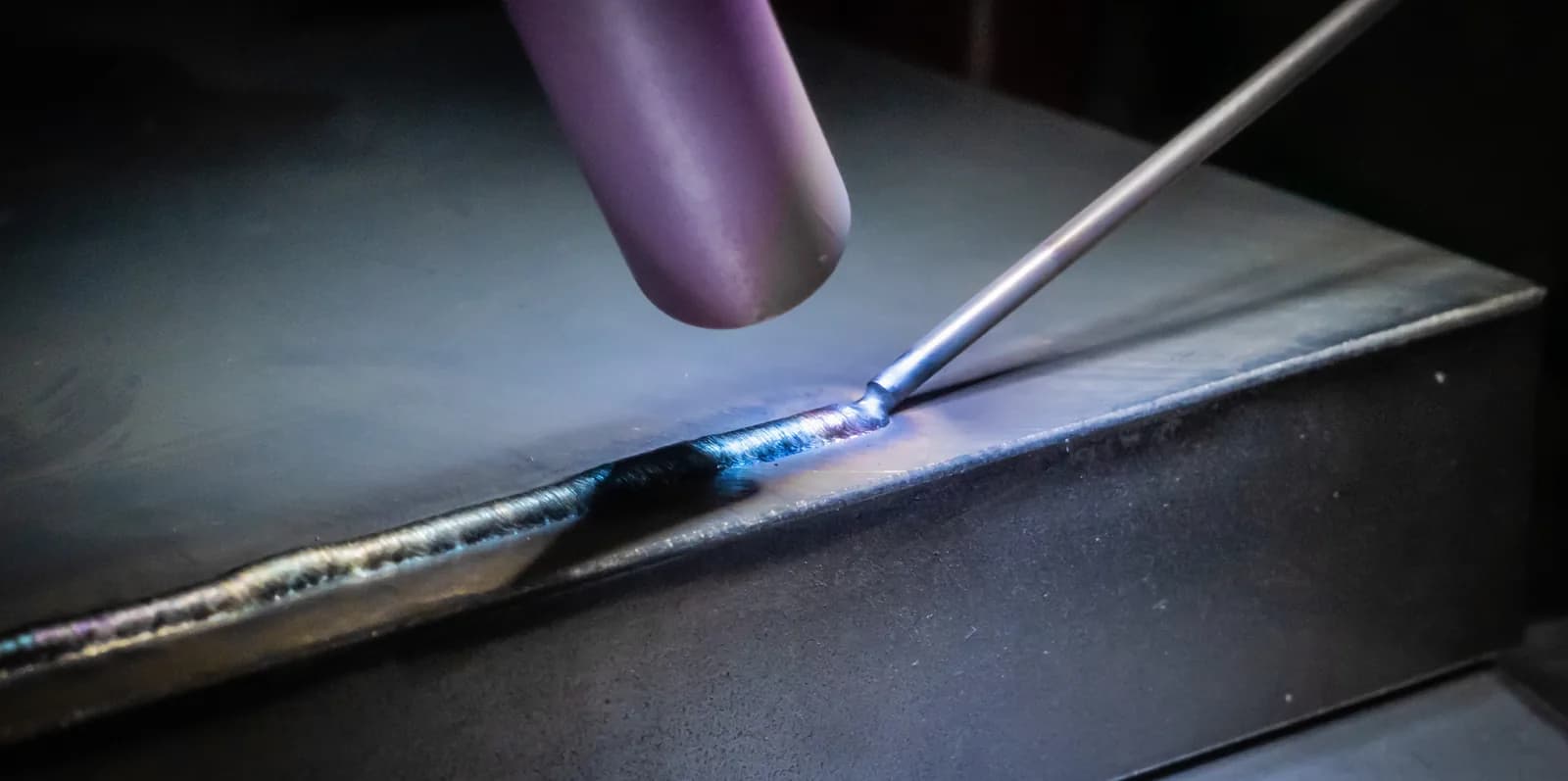
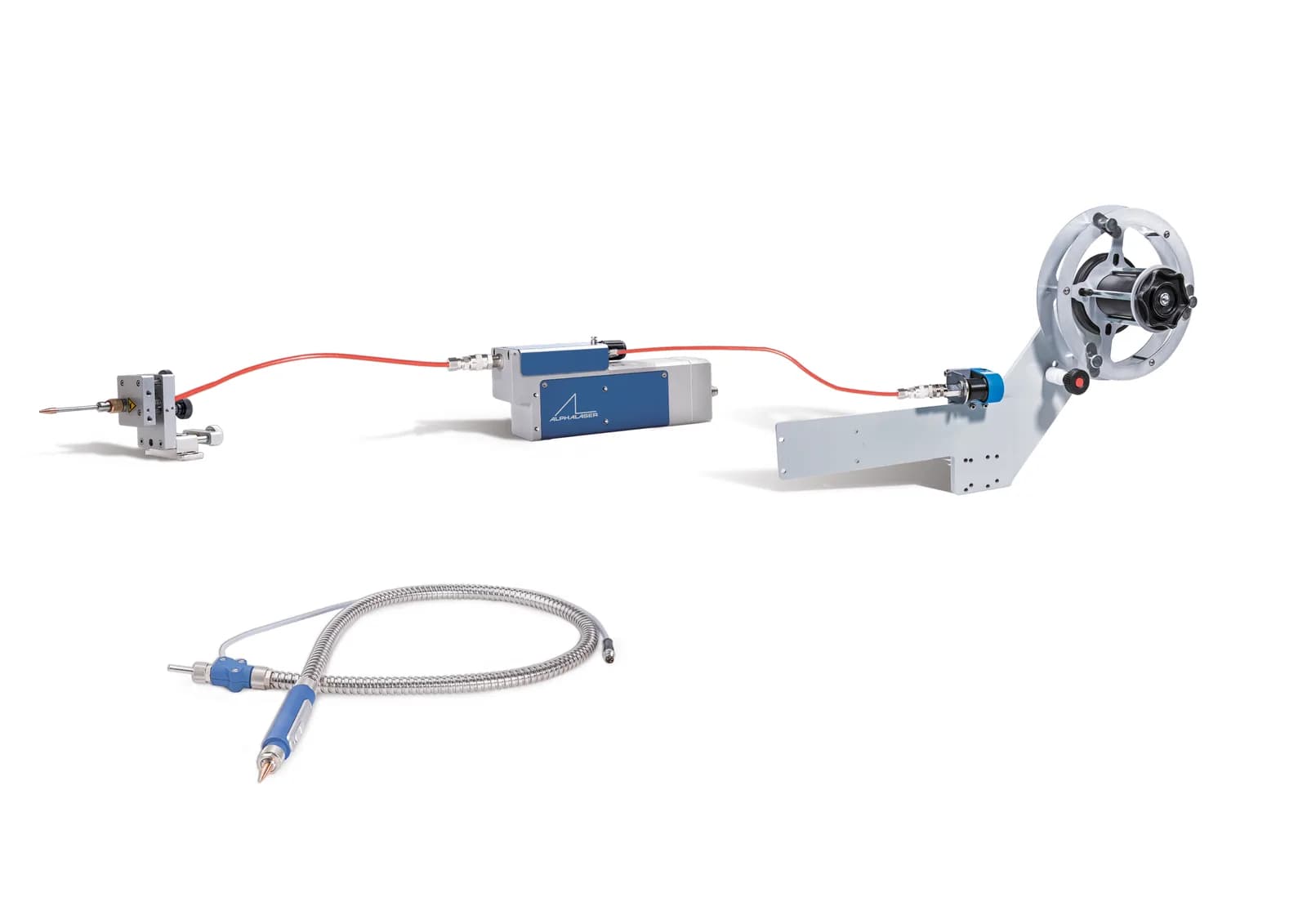
Around those two regimes sit the variants that make the process practical in a workshop: spot and seam welding for production joints, micro welding for very fine work, scanner welding where the beam is steered optically at speed, and wire-fed welding where the joint needs filler material added. Most of the ALPHA LASER range covers several of these, and the accessories decide which.
The Range
Laser welding systems & accessories
Answers
Frequently Asked Questions
Still weighing up specifications? Our engineers will talk through your material mix, sheet sizes and throughput.
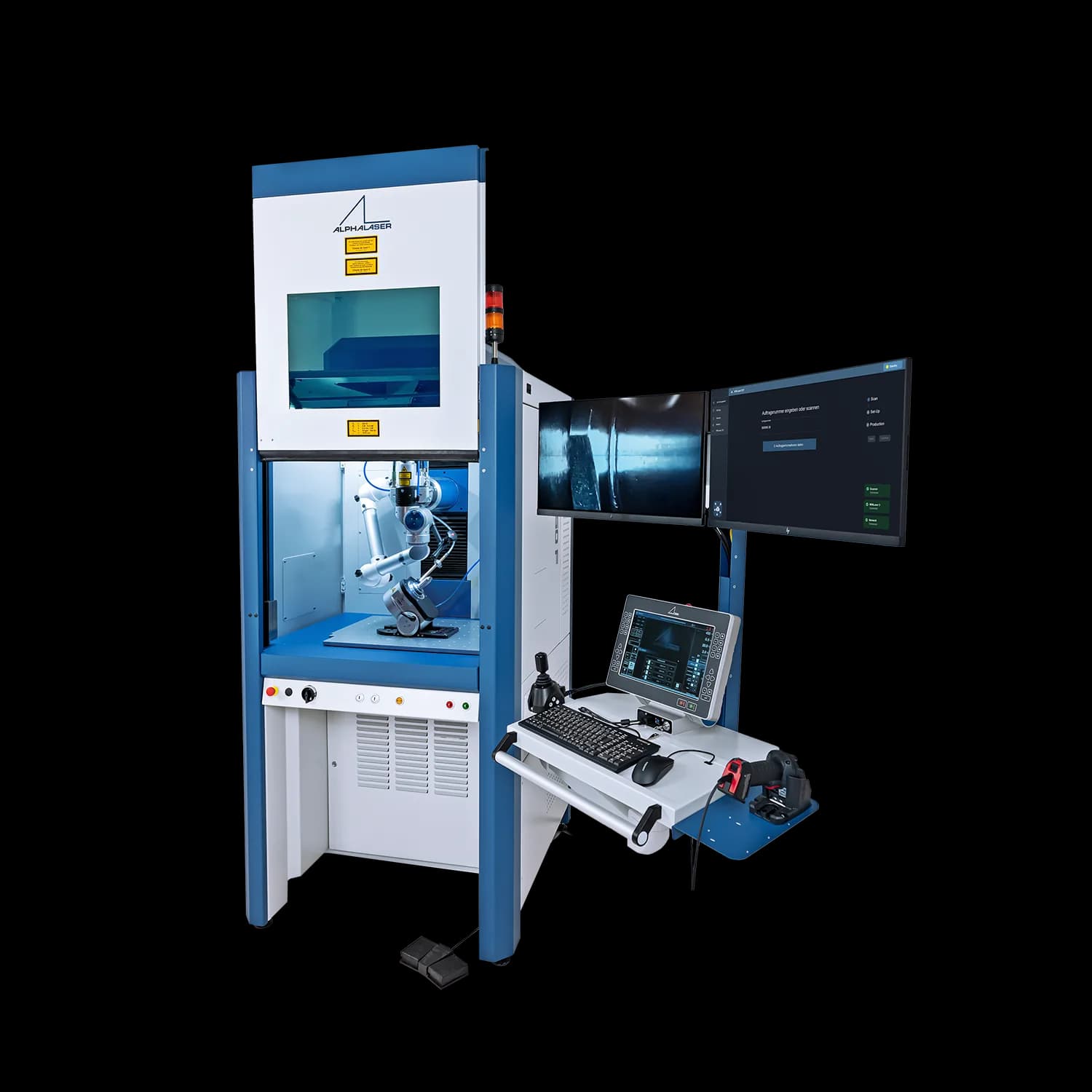
Not for the closed systems. The ALO, ALV, ALW and AL-Q are Class 1 enclosed machines that can sit on a normal shop floor. Mobile and open systems such as ALFlak and the AL SERIES operate with interlocks, screening and appropriate eyewear instead — we cover the requirements as part of installation and training.
Tool and die steels, stainless steels, mild steel, titanium, nickel alloys and most aluminium alloys. The process also handles a number of dissimilar-metal combinations that are impractical conventionally, because the melt zone is small enough to limit the brittle intermetallics that usually cause the problem.
Yes, and it is the main reason tool rooms buy these machines. Heat input is low enough that hardened tool steel keeps its temper away from the weld, so a die can be repaired and put back into production without being stripped, re-heat-treated and re-machined.
Only when the joint needs material added — building up a worn edge, filling a gap, or restoring lost geometry. The AL-DV wire feeder handles wire from 0.2 mm to 1.6 mm and fits the full range. Straightforward butt and fillet joints in good condition are welded autogenously, with no filler at all.
More than most buyers expect for deep welds, and less than they expect for fine work. It is genuinely determined by material and section thickness rather than by a rule of thumb, so our engineers normally work through a sample component before recommending a system.
Other Laser Processing Applications
Get In Touch
Contact Us
We work to find the service solution that fits you - and offer the technology and services to protect your investment and build your success.
Service engineers in Brisbane · Sydney · Melbourne · Perth · Wellington