The resonator moves, not the workpiece
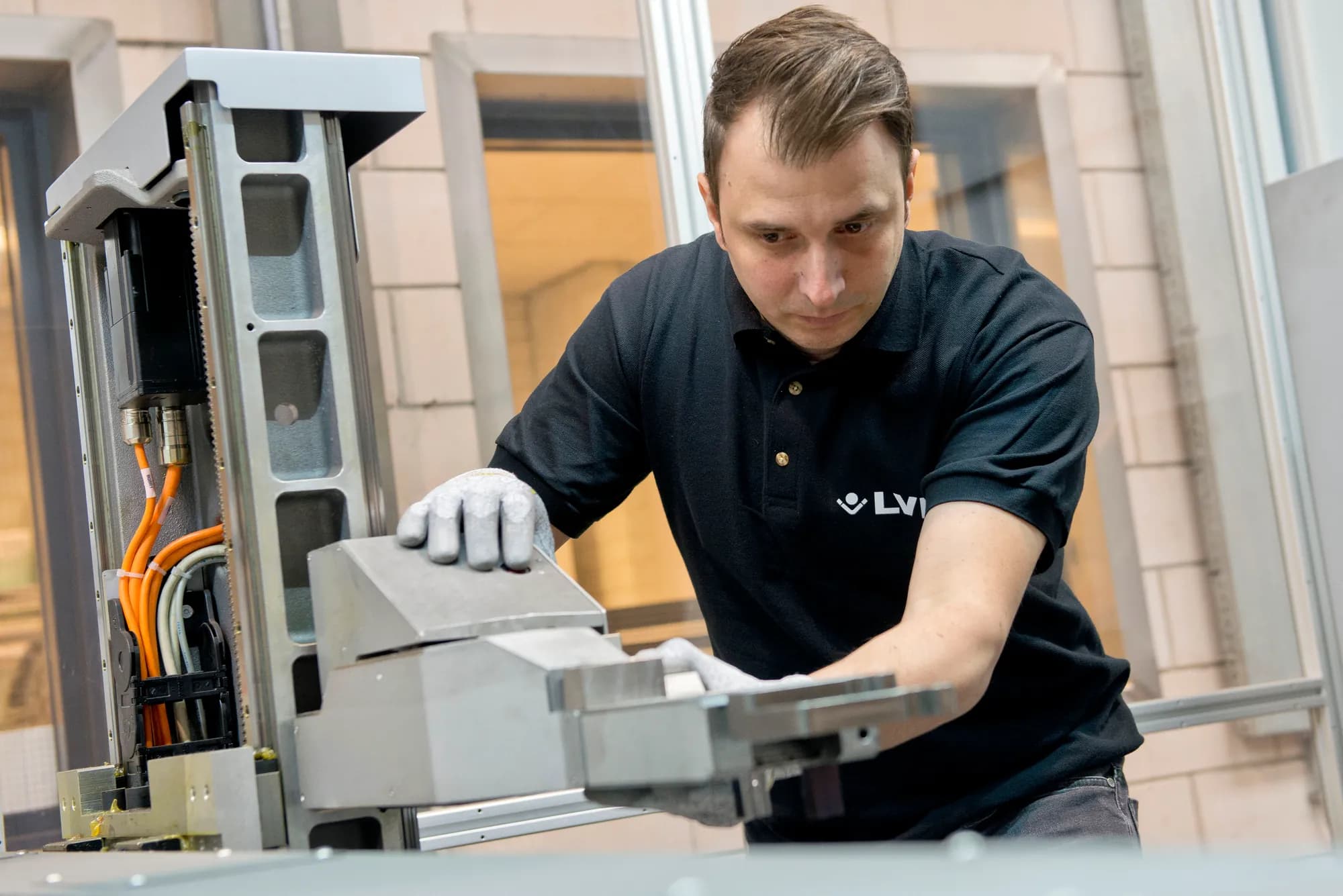
On a conventional welding station, the part is fixtured and moved beneath a fixed head. That works well for small components and badly for a two-tonne injection mould. The AL-IN inverts it: the workpiece is positioned freely on the table and the resonator travels over it across 400 × 210 × 300 mm of X, Y and Z movement.
For repair and modification work on tooling, that removes most of the setup. A die can be craned onto the table, welded where it needs building up, and craned off again — with none of the re-clamping and re-datuming that would otherwise dominate the job.
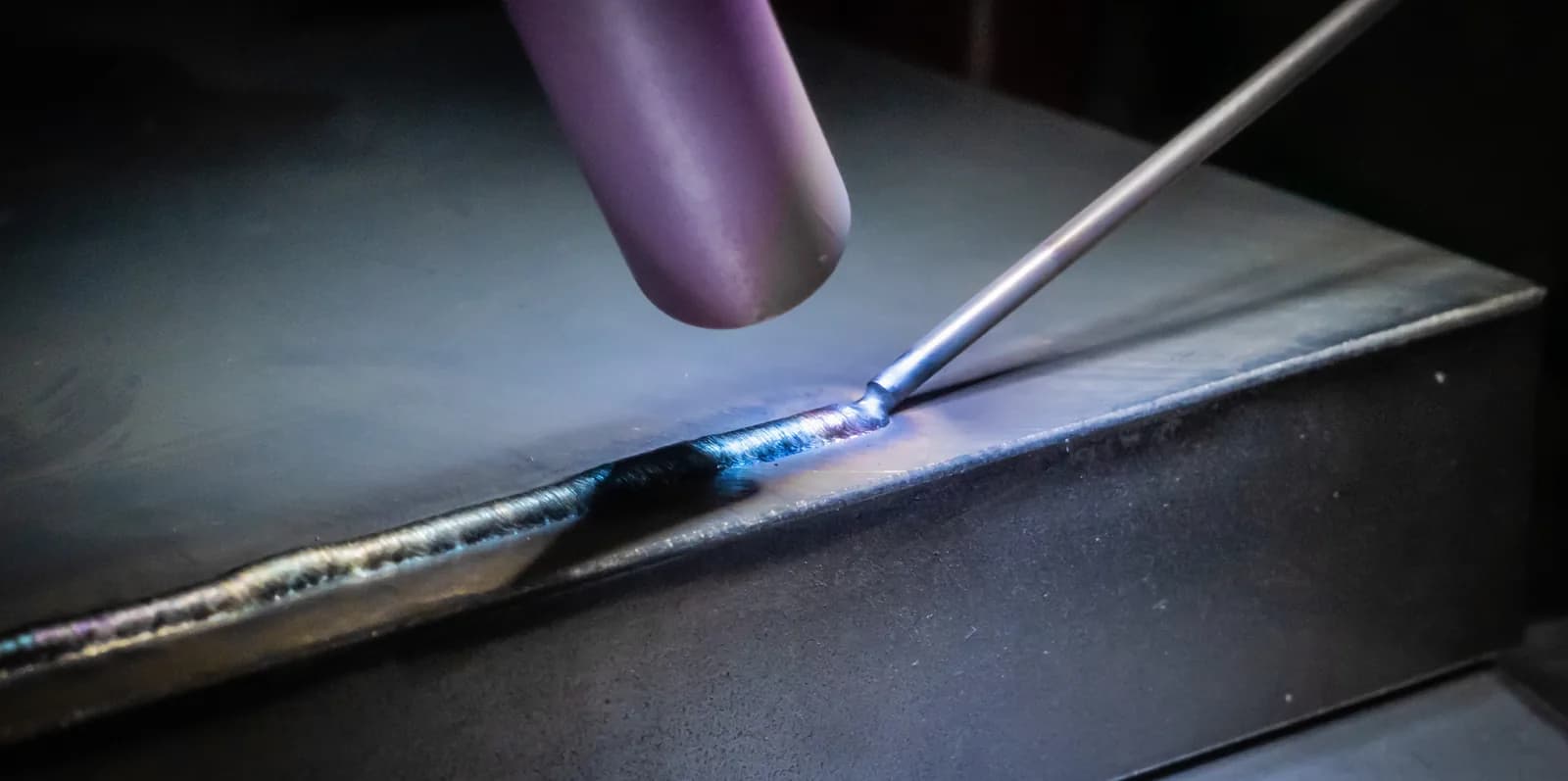
The NEO generation adds significantly higher cladding volume per unit of time than the original AL-IN, so the same repair is finished in fewer passes. It sits alongside the standard AL-IN in the range rather than replacing it.