Understanding Hydraulic Shears and Their Role in Sheet Metal Cutting
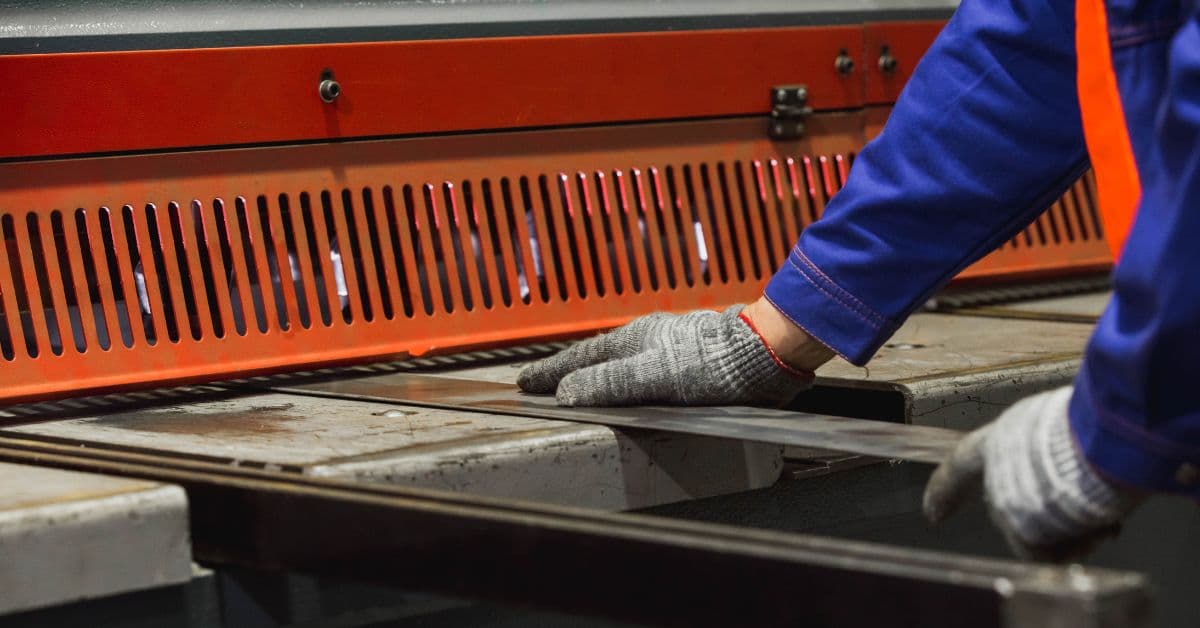
Hydraulic shears play a crucial role in modern metal fabrication, providing reliable, high-powered cutting solutions for a wide range of industrial applications. These machines are designed to deliver clean, precise cuts through sheet metal and are essential in workshops and manufacturing environments where efficiency and repeatability matter. If you’re asking, “What is a hydraulic shear?” this guide breaks down the basics, types, and benefits of this vital tool.
What is a Hydraulic Shear?
A hydraulic shear is a machine tool used to cut sheet metal or plate materials with the power of hydraulics. The system uses hydraulic cylinders to apply high pressure to a blade that slices through metal cleanly and efficiently. Unlike mechanical shears that rely on a flywheel system, hydraulic shears offer smoother operation, better control, and are capable of handling thicker materials with less effort.
These machines are widely used in fabrication shops, automotive plants, steel manufacturing, and anywhere precise metal cutting is required. Because hydraulic pressure is evenly distributed, these shears can deliver consistent cutting results over extended periods with minimal manual intervention.
Advantages of Using Hydraulic Shears
Hydraulic shears offer several benefits that make them indispensable in sheet metal processing:
- High Cutting Precision: With adjustable blade gaps and back gauges, hydraulic shears can deliver accurate cuts consistently, which is essential for quality fabrication.
- Increased Efficiency: These machines are capable of processing large quantities of sheet metal quickly, with minimal manual input, reducing downtime and increasing throughput.
- Versatility: Hydraulic shears can handle a range of materials including mild steel, stainless steel, and aluminium in varying thicknesses.
- Durability and Longevity: Designed for industrial environments, hydraulic shears are built to last, with heavy-duty components and minimal wear over time.
- Safety Features: Modern hydraulic shears come with built-in safety mechanisms like finger guards, emergency stop buttons, and light curtains to protect operators.
Common Applications
Hydraulic shears are used in numerous industries where precision and reliability in metal cutting are essential:
- Automotive: Cutting metal sheets for body panels, frames, and structural components.
- Construction: Preparing steel plates and reinforcing materials for building projects.
- Manufacturing: Processing sheet metal for parts, appliances, and equipment housing.
- Shipbuilding: Shaping large steel panels used in hulls and superstructures.
- HVAC and Electrical: Producing ductwork, enclosures, and metal fixtures.
Because of their adaptability, hydraulic shears are an integral part of production in both high-volume manufacturing and custom fabrication settings.
Hydraulic shears offer a powerful, precise, and efficient solution for cutting metal in a range of industrial environments. Whether you’re working with thick steel plates or thin aluminium sheets, understanding how these machines work—and choosing the right type—can streamline your production and improve cut quality. With their combination of reliability, control, and versatility, hydraulic shears remain one of the most important tools in modern sheet metal processing.
Get In Touch
Contact Us
We work to find the service solution that fits you - and offer the technology and services to protect your investment and build your success.
Service engineers in Brisbane · Sydney · Melbourne · Perth · Wellington