Laser Cutting Systems Comparison Guide
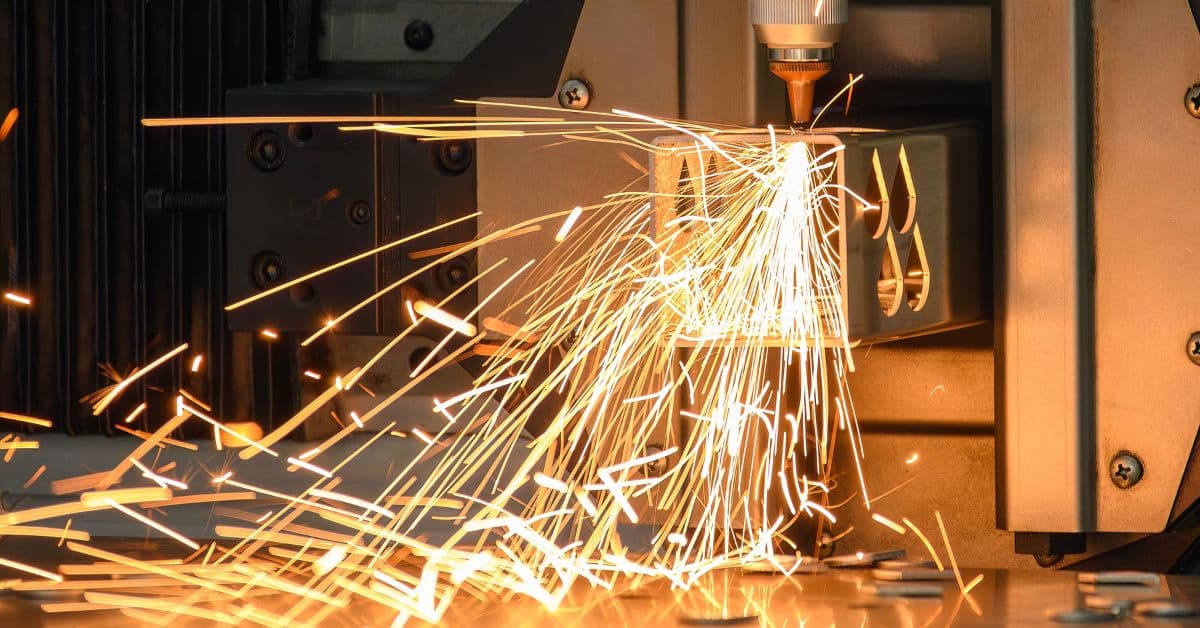
Choosing a laser cutting system is one of the most significant capital investments a fabrication business in Australia or New Zealand will make. The right machine improves throughput, reduces rework and protects margins for years. The wrong choice can lock a workshop into higher running costs and production limits. A structured laser cutting systems comparison should reflect current industry reality, where fibre laser for metals has become the dominant and most commercially effective platform for the majority of fabrication environments.
Fibre Laser as the Primary Solution for Metal Fabrication
Any modern laser cutting systems comparison must begin with fibre technology. Fibre laser for metals now leads across thin, medium and increasingly thicker plate applications. Modern fibre systems deliver high cutting speeds, excellent beam quality and strong energy efficiency. Because the beam is generated through diode modules and transmitted directly via fibre optic cable, energy loss is minimal and maintenance requirements are reduced compared with older resonator based systems.
For stainless steel, mild steel and aluminium in thin and medium gauges, fibre lasers provide clear advantages in speed, precision and cost per part. Higher acceleration, reduced pierce times and narrow kerf widths translate directly into productivity gains. In high volume metal fabrication environments, fibre has become the standard rather than the alternative.
High Power Fibre Laser for Thicker Plate
Where older comparisons once positioned CO2 as the stronger option for thick steel, high power fibre laser systems have changed that landscape. Modern high power fibre platforms cut thicker carbon steel and stainless steel with impressive consistency, faster piercing and strong edge quality. Improved beam absorption characteristics on metal allow efficient energy transfer into the material, supporting both speed and stability in heavy plate processing.
High power fibre laser systems also simplify operations. Without mirrors or laser gas resonators to maintain, uptime improves and routine servicing becomes more straightforward. For metal focused workshops processing a mix of gauges, fibre now offers a unified solution that covers thin sheet through to thicker plate. In practical terms, this reduces the need to invest in separate technologies for different material ranges and strengthens long term return on investment.
CO2 Laser for Mixed Material Requirements
CO2 technology still has a place in specific applications. Its strength lies in versatility across mixed materials. Workshops that require regular cutting of plastics, acrylic, timber or other non metallic materials alongside metals may benefit from CO2 capability. In these environments, the ability to process diverse substrates can justify the technology choice.
However, for operations focused primarily on metal fabrication, CO2 has become more specialised. Energy consumption, mirror alignment and resonator maintenance introduce additional overhead compared with fibre systems. In today’s market, CO2 is better viewed as a solution for mixed material requirements rather than the default option for thicker steel.
Key Considerations in a Laser Cutting Systems Comparison
Material profile remains the first decision driver. Fabricators predominantly cutting stainless steel, mild steel and aluminium will typically find fibre laser for metals to deliver the strongest commercial outcome. Where non metallic materials form a significant portion of output, CO2 may warrant evaluation.
Total cost of ownership is equally important. Fibre systems generally consume less power and avoid the maintenance complexity associated with gas resonators. Operating costs related to assist gas must also be considered, particularly for nitrogen cutting. On site nitrogen generation can provide stability and long term savings, especially in high throughput environments.
Cut quality, pierce performance and real world cycle times should be assessed using representative parts rather than brochure data. High power fibre laser systems should be tested on the thickest and most demanding materials processed on site. This practical validation ensures the chosen system aligns with production goals and customer expectations.
Automation and integration further influence overall productivity. Automated loading, unloading and storage systems increase machine utilisation and reduce manual handling. A comprehensive laser cutting systems comparison should evaluate the entire production cell rather than the cutting unit in isolation.
Why Manufacturers Work with GWB Machine Tools
GWB Machine Tools supports Australian and New Zealand fabricators by aligning machine capability with actual production requirements. Whether the focus is high speed fibre laser for metals, high power fibre laser for thicker plate, or a system designed to manage mixed materials, configurations are tailored to suit each facility.
Beyond supplying equipment, GWB assists with automation integration and nitrogen generation solutions to build efficient and scalable production environments. Local installation, training and service ensure ongoing reliability and performance.
A disciplined laser cutting systems comparison grounded in current technology shows that fibre laser has become the primary platform for metal fabrication, including thicker plate applications. CO2 retains value where mixed material processing is essential. With the right evaluation process and experienced technical guidance, manufacturers can invest confidently in systems that deliver productivity, efficiency and long term competitiveness.

Get In Touch
Contact Us
We work to find the service solution that fits you - and offer the technology and services to protect your investment and build your success.
Service engineers in Brisbane · Sydney · Melbourne · Perth · Wellington