Nitrogen Laser Cutting Benefits: Improving Precision and Consistency
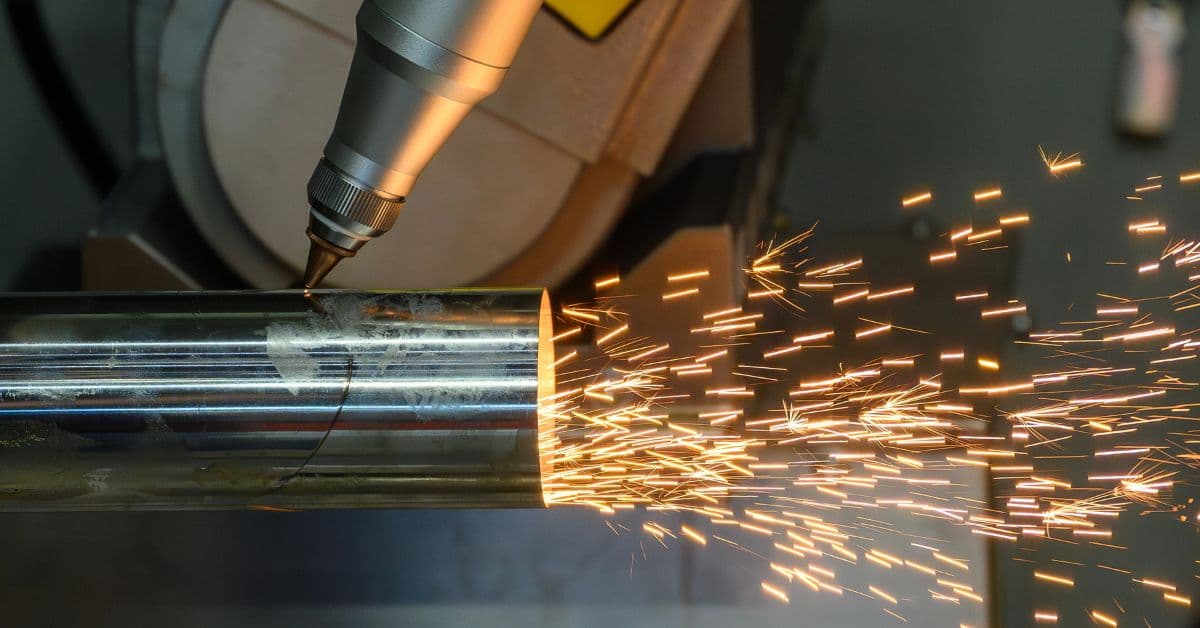
Laser cutting operates at a level where small variations can affect whether a part meets specification. Power, speed, and focus all influence results, yet the assist gas often determines the final edge quality. Understanding how nitrogen functions in this role helps explain why it is widely used in precision cutting applications.
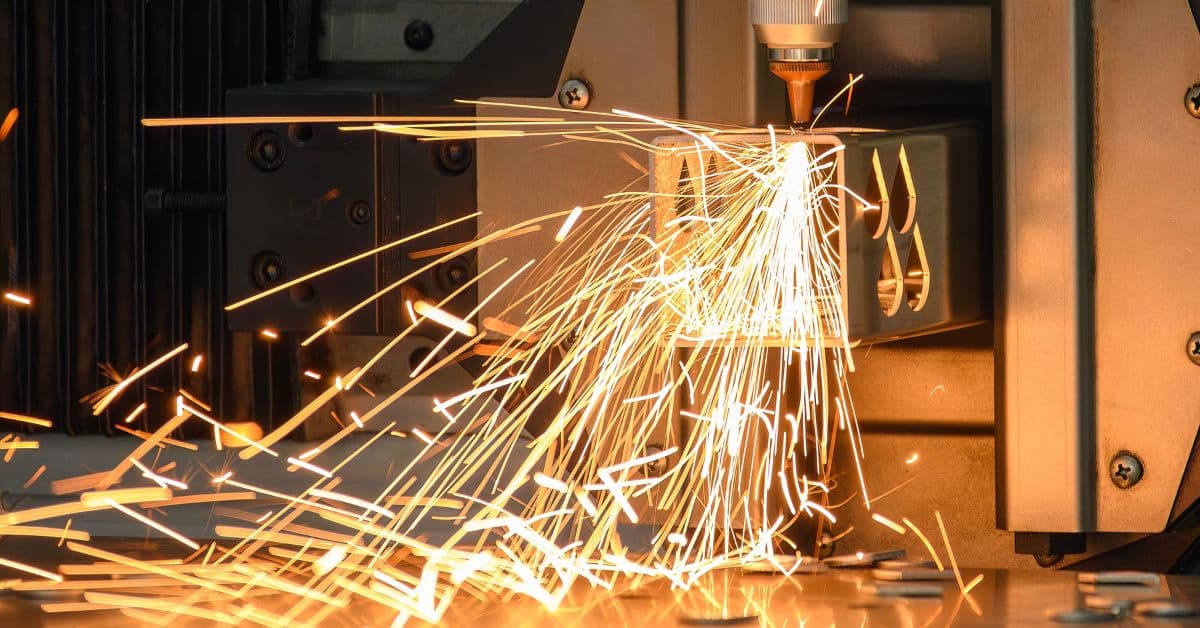
During cutting, the laser melts the material while assist gas clears molten metal from the cut and shields the edge from the surrounding atmosphere. When the gas remains consistent, results stay predictable. If it fluctuates, edge quality and tolerances begin to vary, which leads to rework and lost efficiency.
Nitrogen is commonly used because it does not react with the metal during cutting. This creates a controlled environment that supports cleaner edges and more accurate results. When applied correctly, it improves both appearance and performance without introducing additional heat or chemical reactions.
Why Nitrogen Supports High Quality Laser Cutting
Nitrogen acts as an inert gas, meaning it prevents oxidation during the cutting process. Without oxygen present, the metal edge remains clean rather than developing scale or discolouration. This is particularly important when working with stainless steel and aluminium, where surface finish matters.
Clean edges reduce the need for additional finishing. Parts often move directly to the next stage of production without extensive deburring or cleaning. This saves time and improves workflow efficiency. The absence of oxidation also supports stronger welds and better coating adhesion, which are critical for long term performance.
Compared with other gases, nitrogen provides greater control over the cutting process. Oxygen can introduce extra heat, which may increase cutting speed in some cases but often reduces edge quality. Compressed air contains oxygen and can lead to partial oxidation, resulting in rougher finishes. Nitrogen avoids these issues, allowing for more consistent results across different materials and thicknesses.
Because it does not contribute additional heat, nitrogen helps maintain a stable cutting zone. This supports tighter tolerances and better accuracy, especially for detailed shapes or fine features. For many operations, this level of control is essential for meeting production standards.
How Gas Consistency Affects Cutting Accuracy
Using nitrogen alone is not enough to guarantee quality. The consistency of the gas supply plays a significant role in maintaining performance. Variations in purity, pressure, or flow can affect how effectively the molten material is removed from the cut.
Changes in purity can lead to visible defects such as discolouration or increased dross. These issues may require additional finishing work and can affect the final appearance of the part. Pressure fluctuations can also alter the cutting process, resulting in uneven edges or wider kerfs that impact fit and alignment.
Supply interruptions create further challenges. Running out of gas during production can halt operations and disrupt schedules. Even small inconsistencies between batches can introduce variability that reduces overall efficiency. Maintaining stable gas delivery is therefore essential for achieving reliable results.
The Advantages of On Site Nitrogen Generation
Producing nitrogen on site offers a more controlled approach to supply. Instead of relying on delivered gas, systems generate nitrogen directly from compressed air. This provides a continuous source that can be adjusted to suit different materials and production requirements.
On site generation allows operators to control purity levels based on the job. Higher purity can be used for applications where appearance is critical, while lower levels may be suitable for less demanding tasks. This flexibility helps balance performance and operating costs.
Cost efficiency is another benefit. Eliminating the need for regular gas deliveries reduces ongoing expenses and removes the risk of supply shortages. Over time, this can lead to significant savings, particularly for high volume operations.
Consistency is also improved. A stable supply supports predictable cutting performance, reducing variation between parts. This contributes to better quality control and fewer rejected components.
Integrating nitrogen generation into a production environment requires planning, but the long term advantages are clear. Reliable gas supply supports consistent results, improved efficiency, and greater control over the cutting process, helping maintain high standards across all stages of fabrication.
Get In Touch
Contact Us
We work to find the service solution that fits you - and offer the technology and services to protect your investment and build your success.
Service engineers in Brisbane · Sydney · Melbourne · Perth · Wellington