LISSMAC Equipment Guide: Improving Efficiency in Metal Finishing
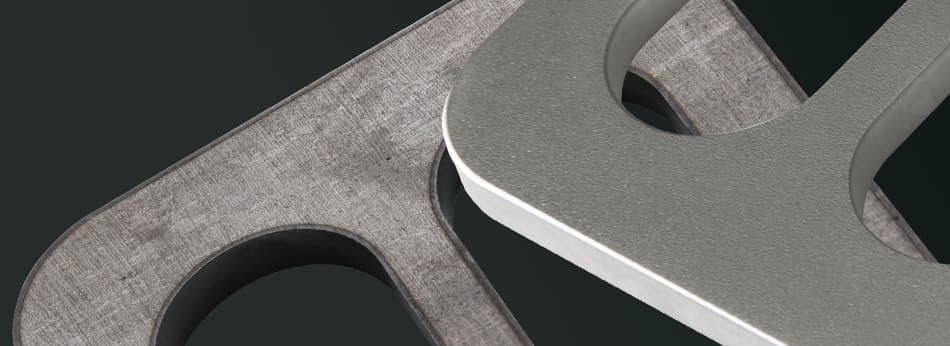
Anyone who has spent time using an angle grinder knows how demanding manual deburring can be. Edges remain sharp, results vary, and the constant exposure to dust, noise, and risk makes the task draining. For many fabricators, this stage quietly slows production and affects consistency. A clear understanding of automated finishing systems offers a more efficient alternative.
LISSMAC systems replace manual grinding with controlled machine processing. Instead of relying on operator judgement, these machines carry out deburring, edge rounding, and oxide removal in a single pass. The result is cleaner parts, improved safety, and a more predictable outcome across batches. This shift allows workshops to maintain quality while reducing the time spent on repetitive finishing tasks.
What LISSMAC Systems Do and Why They Matter
After cutting processes such as laser or plasma, metal parts often carry burrs, sharp edges, and oxide layers. These issues affect both safety and performance. LISSMAC systems address all three in one continuous process, using abrasive belts and brushes to remove imperfections evenly across the surface.
Removing burrs improves handling and ensures parts fit together correctly during assembly. Edge rounding plays a critical role in finishing, as coatings tend to fail on sharp corners. By creating a consistent radius, coatings adhere more effectively and last longer in service. Oxide removal is equally important, particularly for welding. Clean edges support stronger welds and reduce the likelihood of defects.
Processing both sides of a sheet at the same time further improves efficiency. This removes the need to flip heavy materials manually, saving time and reducing risk. For many fabrication environments, these improvements directly influence productivity, safety, and final product quality.
Choosing the Right LISSMAC Machine Series
Different production needs require different machine configurations. The SBM series is designed for high output environments where consistent finishing is essential. These machines handle multiple processes in a single pass and are suited to steel, stainless steel, and aluminium. Their ability to process both sides at once makes them effective for continuous production lines.
For workshops with varied workloads, the SMD series offers greater flexibility. Adjustable configurations allow operators to tailor the process to different materials and finishing requirements. This makes it suitable for businesses that handle a mix of jobs rather than large volumes of identical parts.
Thicker materials present additional challenges, particularly when dealing with slag. Specialised systems are designed to remove these heavy residues efficiently, preparing parts for further processing. Choosing between dry and wet processing also plays a role. Dry systems suit standard steel applications, while wet systems help control heat and dust when working with materials such as aluminium or stainless steel.
Selecting the right setup depends on factors such as material type, thickness, and production volume. Matching the machine to these requirements ensures consistent performance and supports long term efficiency.
The Benefits of Automated Metal Finishing
Moving from manual to automated finishing changes how a workshop operates. One of the most immediate improvements is consistency. Machines apply the same pressure and speed across every part, removing the variability that comes with manual work. This leads to better fitting components and improved surface preparation for coating and welding.
Productivity also increases as processing time is reduced. A single operator can manage a machine that completes tasks much faster than manual methods. This allows skilled workers to focus on more complex areas of production rather than repetitive finishing work.
Safety improves as well. Automated systems reduce exposure to sharp edges, airborne dust, and prolonged tool use. Creating a safer working environment supports both compliance and long term staff wellbeing.
Cost control becomes more manageable over time. Reduced rework, less material waste, and longer tool life all contribute to lower operating costs. As production demands grow, automated systems provide a scalable solution without requiring a proportional increase in labour.
Integrating LISSMAC Systems into Production Workflows
Introducing automated finishing requires careful planning. Understanding how the system fits into existing processes ensures a smooth transition. Considerations such as material flow, available space, and production targets all influence how effectively a machine can be integrated.
When properly implemented, these systems streamline operations and reduce bottlenecks. Parts move through the finishing stage more efficiently, allowing other areas of production to operate without delay. Over time, this leads to a more balanced workflow and improved overall output.
Automated finishing supports consistent quality while reducing reliance on manual processes. By addressing key challenges such as burrs, sharp edges, and oxide layers, LISSMAC systems provide a practical solution for improving both efficiency and reliability in metal fabrication environments.
Get In Touch
Contact Us
We work to find the service solution that fits you - and offer the technology and services to protect your investment and build your success.
Service engineers in Brisbane · Sydney · Melbourne · Perth · Wellington