
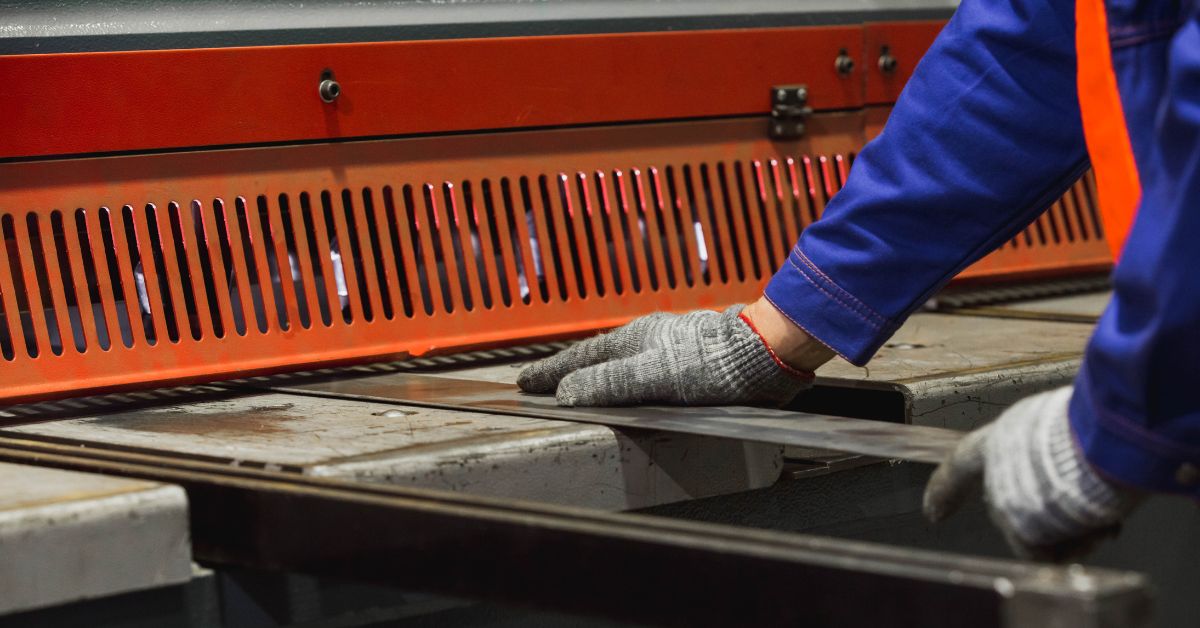
Hydraulic shears play a crucial role in modern metal fabrication, providing reliable, high-powered cutting solutions for a wide range of industrial applications. These machines are designed to deliver clean, precise cuts through sheet metal and are essential in workshops and manufacturing environments where efficiency and repeatability matter. If you’re asking, “What is a hydraulic shear?” this guide breaks down the basics, types, and benefits of this vital tool.
What is a Hydraulic Shear?
A hydraulic shear is a machine tool used to cut sheet metal or plate materials with the power of hydraulics. The system uses hydraulic cylinders to apply high pressure to a blade that slices through metal cleanly and efficiently. Unlike mechanical shears that rely on a flywheel system, hydraulic shears offer smoother operation, better control, and are capable of handling thicker materials with less effort.
These machines are widely used in fabrication shops, automotive plants, steel manufacturing, and anywhere precise metal cutting is required. Because hydraulic pressure is evenly distributed, these shears can deliver consistent cutting results over extended periods with minimal manual intervention.
Advantages of Using Hydraulic Shears
Hydraulic shears offer several benefits that make them indispensable in sheet metal processing:
Common Applications
Hydraulic shears are used in numerous industries where precision and reliability in metal cutting are essential:
Because of their adaptability, hydraulic shears are an integral part of production in both high-volume manufacturing and custom fabrication settings.
Hydraulic shears offer a powerful, precise, and efficient solution for cutting metal in a range of industrial environments. Whether you’re working with thick steel plates or thin aluminium sheets, understanding how these machines work—and choosing the right type—can streamline your production and improve cut quality. With their combination of reliability, control, and versatility, hydraulic shears remain one of the most important tools in modern sheet metal processing.
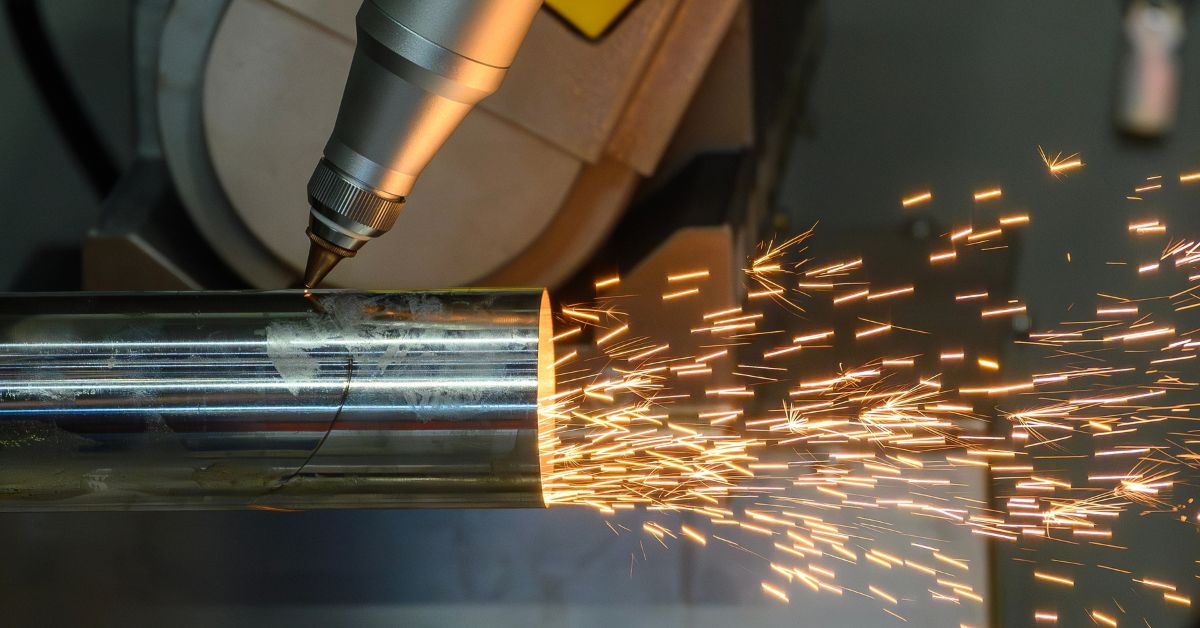
Press brakes and punch presses are central to most fabrication workshops across Australia. They deliver precision and productivity, but they also introduce serious risks if not managed correctly. Clear and practical press brake safety tips are essential for maintaining a safe working environment without slowing production. When safety becomes part of daily operations rather than … Press Brake Safety Tips Every Aussie Workshop Needs
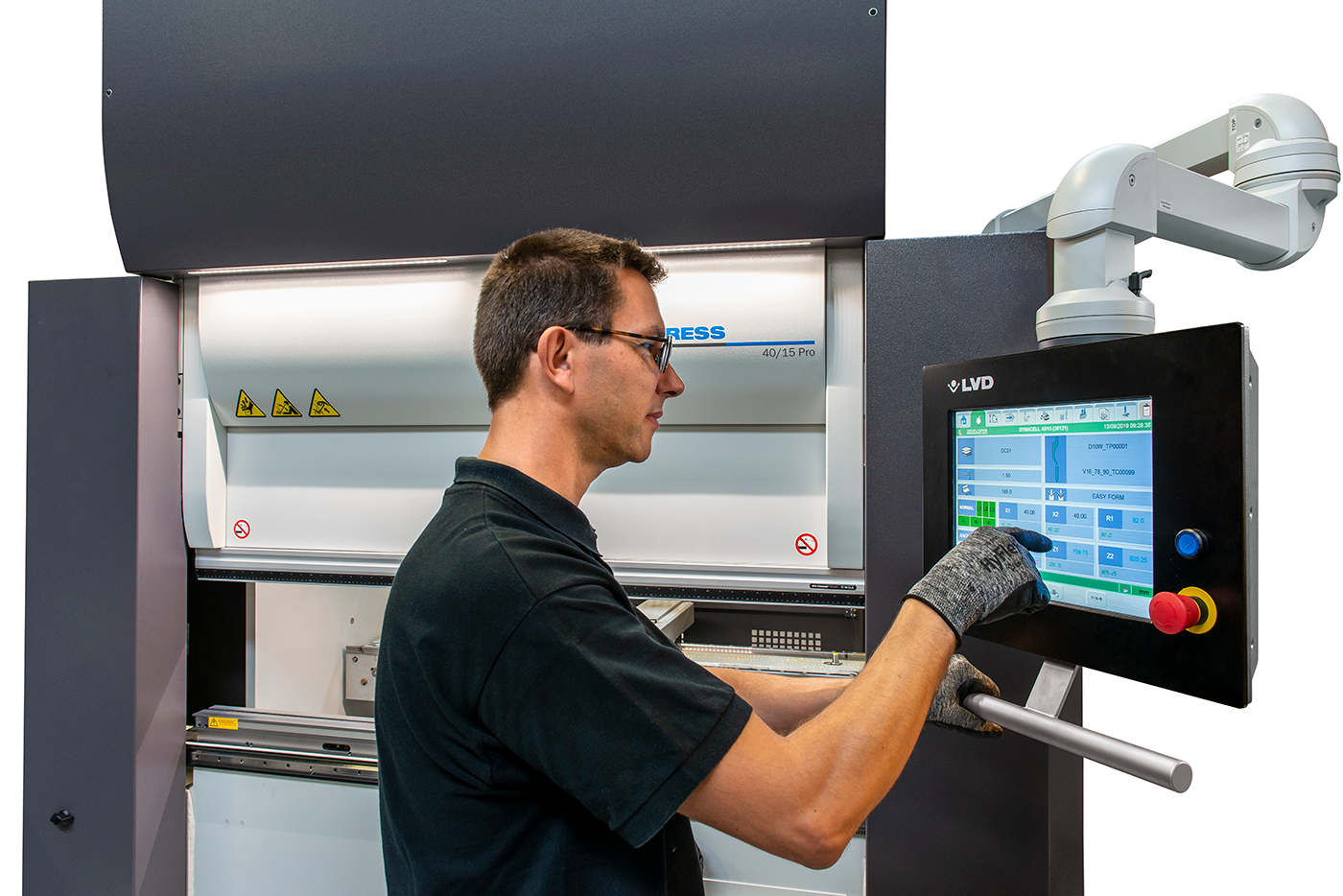
Short lead times, tight margins and labour shortages continue to challenge sheet metal workshops across Australia and New Zealand. Every inefficiency in production adds cost, especially when machines are not being used to their full capability. This is why the discussion around laser cutting vs punching remains so important. Rather than choosing one process over … Laser Cutting vs Punching: Choosing the Right Mix
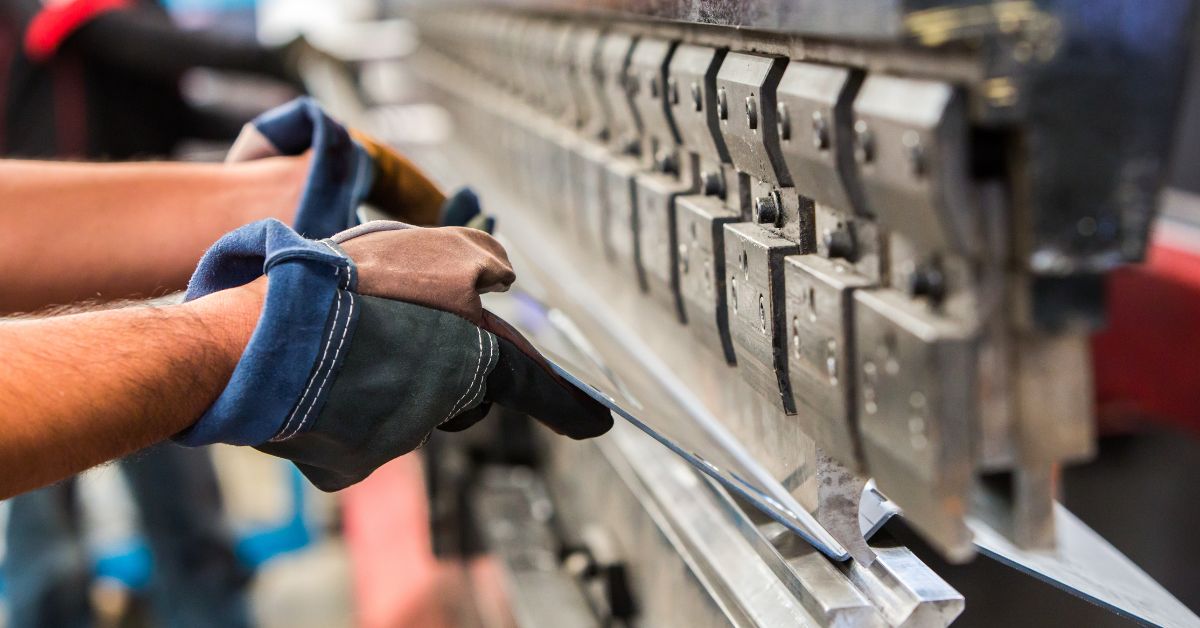
Rising labour costs, a shrinking pool of skilled tradespeople, tighter tolerances, and faster customer expectations are reshaping metal fabrication across Australia and New Zealand. Many workshops have pushed manual processes as far as they can. Overtime and additional staff no longer deliver the gains they once did. Automation systems for fabrication now offer a practical … Automation Systems for Fabrication