
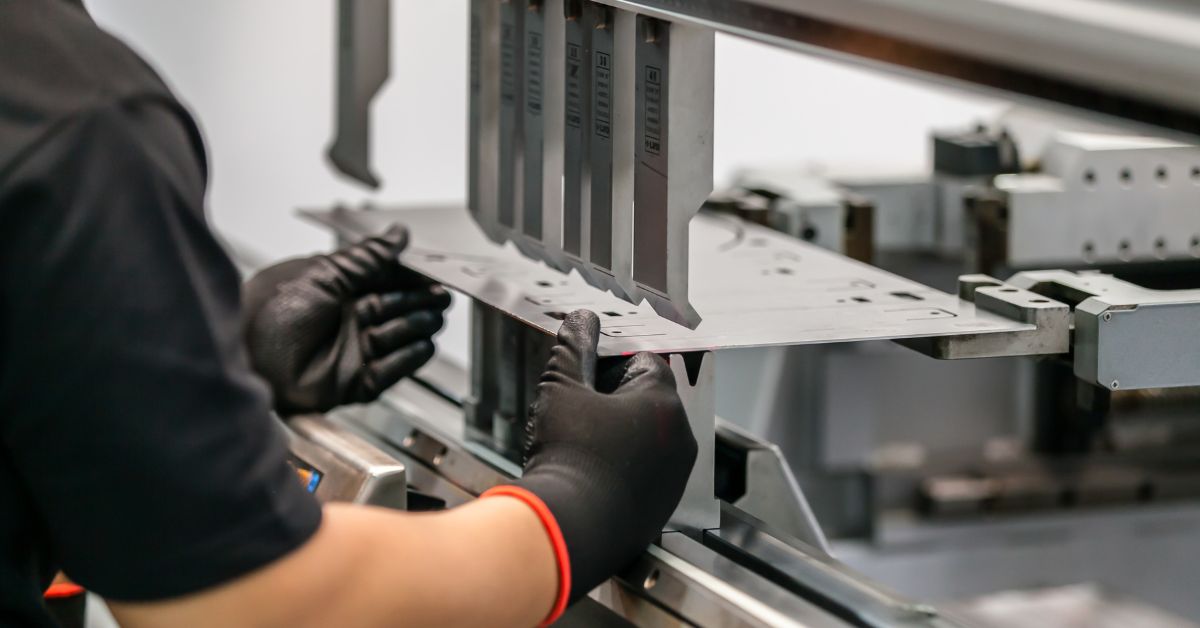
Lasers and plasma tables get the headlines, but there are plenty of jobs where a shear cutting machine outpaces them on cost, simplicity and throughput. If your work mixes straight blanks, coated material and standard gauge sheet, modern guillotine shearing still earns its floor space. Here’s when hydraulic shears beat cutting with light or arc.
For straight lines, a shear cutting machine is hard to beat. No nesting, no pierce points, no kerf compensation—just set the backgauge, feed the sheet, and stroke. On repetitive blanking, stroke rates and quick backgauge moves deliver stacks of parts with minimal handling. Operators can stage, square and cut in a steady rhythm that keeps downstream folding and pressing continuously supplied.
Running costs are simple, too. Sheet metal shears use far less energy than a laser or plasma, and consumables are predictable: blade maintenance and occasional lubrication. There’s no assist gas, no torches or lenses, and no dross removal. If you’re cutting rectangles, strips or simple panels all day, the cost per part from a guillotine is typically lower and the takt time more reliable.
Automation also helps. CNC backgauges, programmable rake/blade gap, sheet support and return-to-sender functions reduce re-handling. That consistency is ideal for kitting work for press brakes where timing matters more than ultra-tight contours.
Edge condition drives fit-up, cosmetic quality and paint performance. Shears produce a cold cut—no heat-affected zone, no discolouration, and no micro-hardening of the edge. That’s valuable on pre-painted and galvanised sheet where burning can mark coatings or create fume control challenges.
A well-set guillotine shearing machine (correct rake and blade gap for thickness and material) yields a clean edge with a small rollover, a burnish, and a short fracture zone. For many fabrication steps—press braking, spot welding, clinching—the sheared edge is ready to go with little or no secondary work.
By comparison, plasma is fast on thicker plate but leaves dross and a heat-affected edge that often needs grinding before paint. Laser produces excellent edges and tight tolerances, but you’re paying for pierce time and path length even on simple blanks, and you’ll still manage assist gas and lens care. When finish requirements are moderate and straight, cold shearing remains a smart default.
Every process has a lane. Knowing the limits helps you choose the right tool for the job.
In mixed shops, a common best-practice route is: shear the blank quickly and cheaply, then form, punch or laser-trim only where features demand it. That hybrid approach balances capex, capacity and finish quality.
To keep decisions grounded: if the part has complex nests, internal slots, logos, radii, or lots of small features, the tube or flatbed laser is more efficient. Plasma holds an advantage on thicker mild steel where speed per metre and bevel capability matter. Use the right machine for the geometry and finish level—your margins improve when each asset stays in its lane.
If straight blanks and coated sheets make up a solid chunk of your workload, upgrading or adding sheet metal shears could lower your cost per part and free up the laser/plasma for the jobs they do best. GWB Machine Tools supplies precision hydraulic shears alongside advanced cutting solutions, so we can map your parts mix and recommend the most cost-effective flow—guillotine shearing where it wins, laser or plasma where they shine.
Ready to benchmark a shear cutting machine against your current route? Talk to GWB Machine Tools about capacities, backgauge automation and integration with your bending cells. Let’s cut your costs on straight work—and keep your high-end cutters focused on value-add geometry.
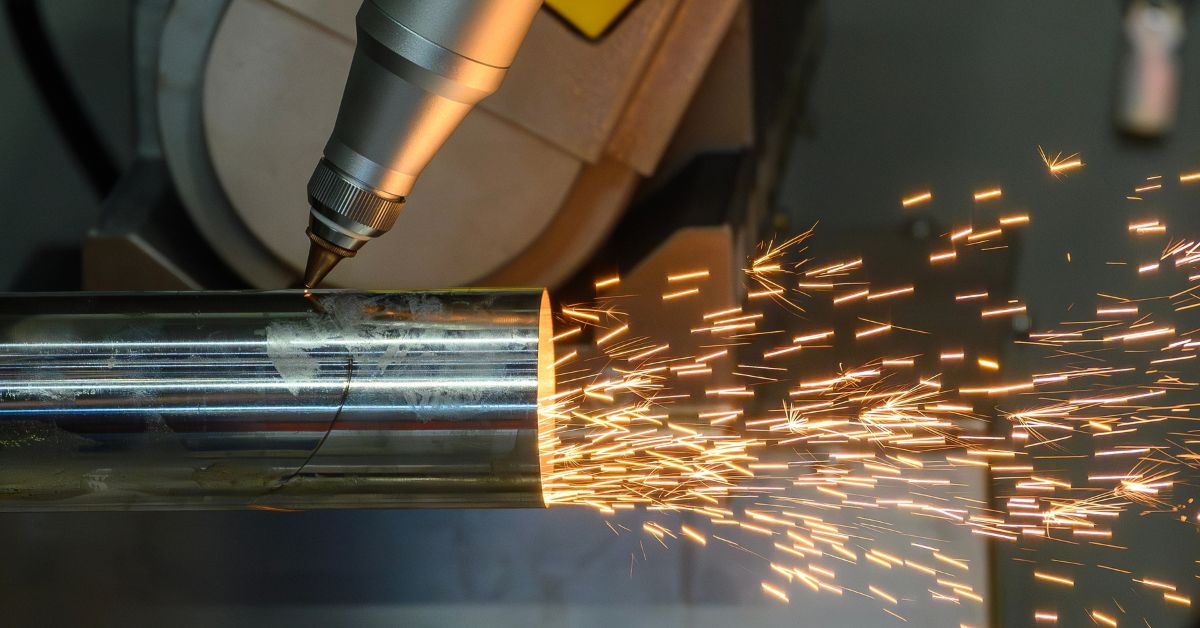
Press brakes and punch presses are central to most fabrication workshops across Australia. They deliver precision and productivity, but they also introduce serious risks if not managed correctly. Clear and practical press brake safety tips are essential for maintaining a safe working environment without slowing production. When safety becomes part of daily operations rather than … Press Brake Safety Tips Every Aussie Workshop Needs
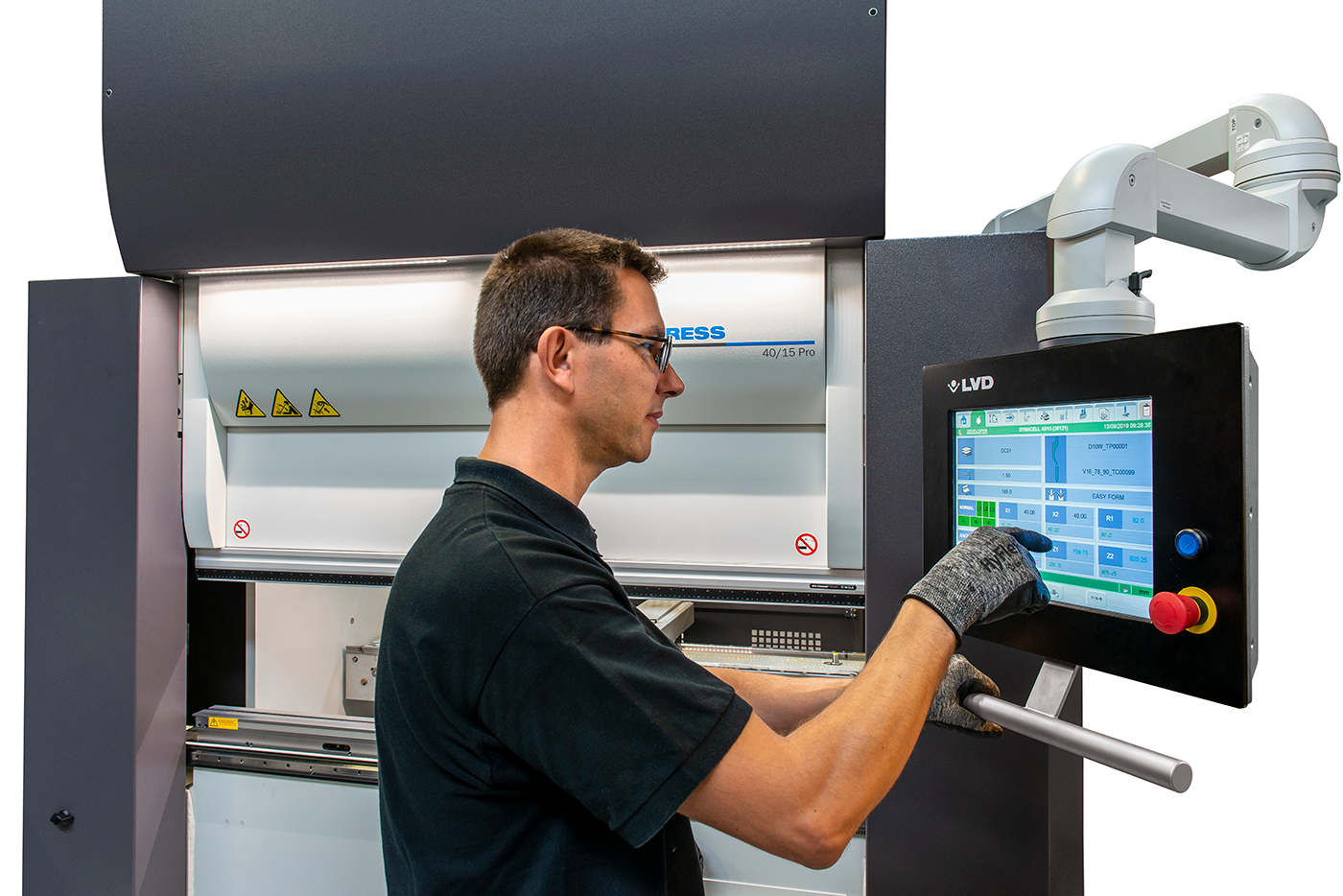
Short lead times, tight margins and labour shortages continue to challenge sheet metal workshops across Australia and New Zealand. Every inefficiency in production adds cost, especially when machines are not being used to their full capability. This is why the discussion around laser cutting vs punching remains so important. Rather than choosing one process over … Laser Cutting vs Punching: Choosing the Right Mix
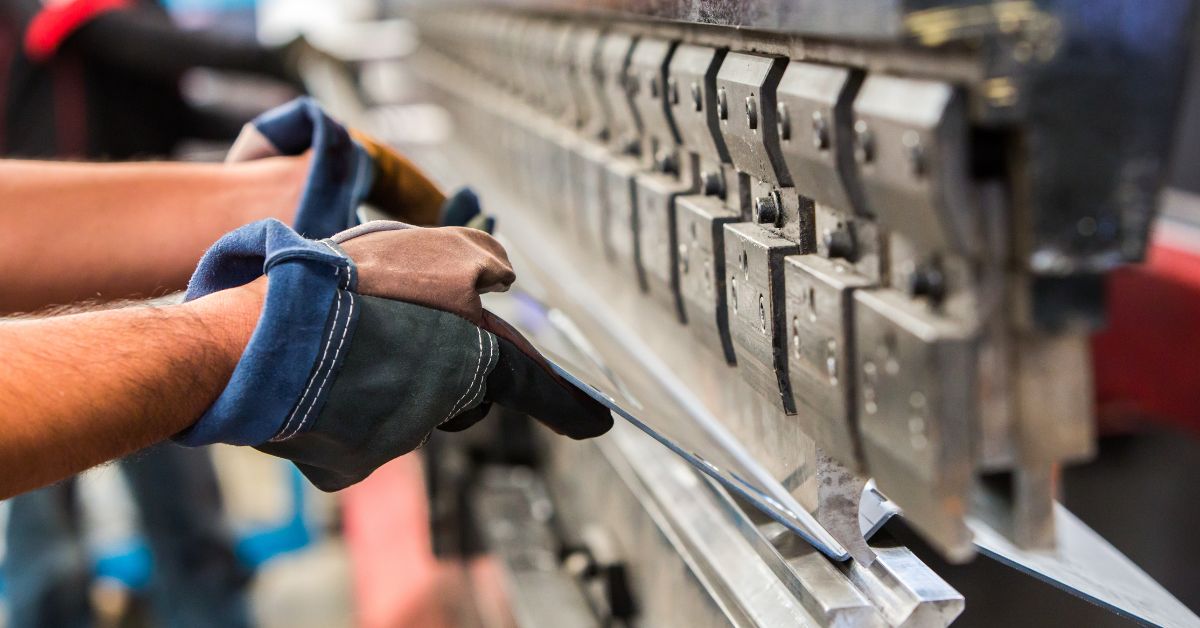
Rising labour costs, a shrinking pool of skilled tradespeople, tighter tolerances, and faster customer expectations are reshaping metal fabrication across Australia and New Zealand. Many workshops have pushed manual processes as far as they can. Overtime and additional staff no longer deliver the gains they once did. Automation systems for fabrication now offer a practical … Automation Systems for Fabrication