
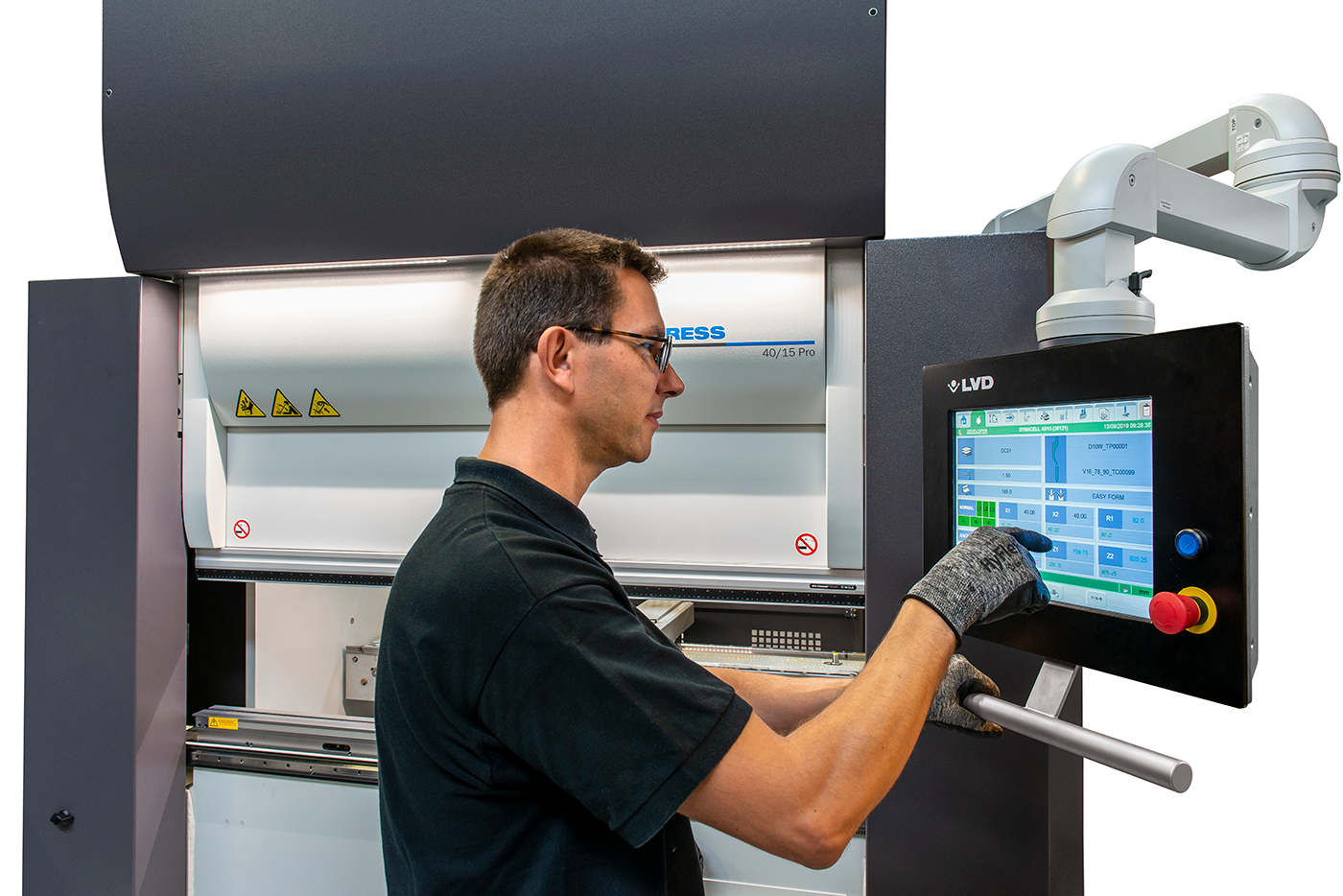
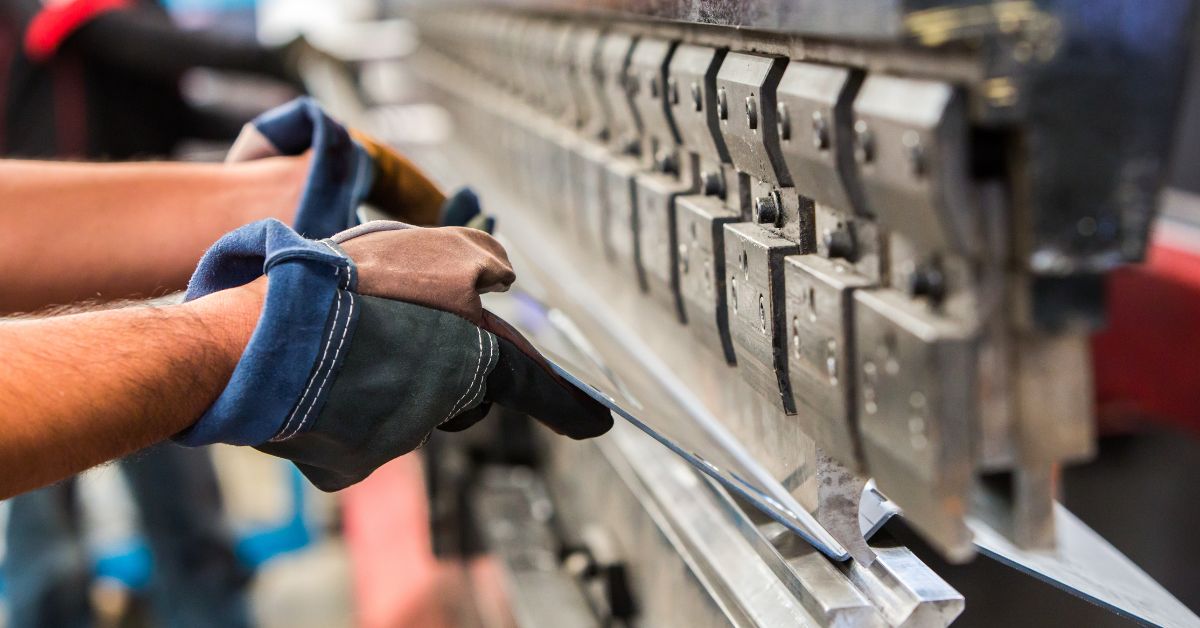
Press brakes and punch presses are central to most fabrication workshops across Australia. They deliver precision and productivity, but they also introduce serious risks if not managed correctly. Clear and practical press brake safety tips are essential for maintaining a safe working environment without slowing production. When safety becomes part of daily operations rather than an afterthought, workshops reduce injuries, avoid downtime and maintain consistent output.
Why safety must be built into everyday operations
Press brake incidents are rarely caused by a single failure. Most occur when small issues are ignored or when unsafe habits develop over time. Skipped checks, worn tooling, poor housekeeping and bypassed safety systems all contribute to increased risk. These problems often go unnoticed until a serious incident occurs.
Building a culture of safety ensures that risks are identified early and controlled effectively. When operators follow structured routines and management supports safe practices, safety becomes a natural part of workflow. This approach protects both workers and productivity, as fewer incidents mean less disruption across the workshop.
Pre operation checks and routine maintenance
The most effective press brake safety tips begin before the machine is used. A consistent pre start routine helps identify issues that could lead to failure or injury. Operators should inspect the machine for leaks, loose components, worn hoses and any unusual behaviour during start up. Any irregularities should be reported and addressed immediately rather than worked around.
Safety devices must also be checked before operation. Guards, light curtains, emergency stops and control systems should all be functioning correctly. These systems are designed to prevent accidents, and their reliability depends on regular testing.
Tooling condition is equally important. Punches and dies must be free from damage and properly secured. Incorrect or worn tooling can lead to poor results and increase the risk of failure during operation. Keeping the surrounding area clean and free from hazards further supports safe operation by reducing the risk of slips or distractions.
Regular maintenance carried out by qualified technicians ensures that machines remain in safe working condition. Hydraulic systems, mechanical components and safety circuits should be serviced according to manufacturer guidelines. Following proper lockout procedures during maintenance protects workers from unexpected machine movement.
Safe operating procedures on the workshop floor
Once the machine is ready, operator behaviour becomes the primary safety control. Only trained and authorised personnel should operate press brakes and punch presses. Clear communication and defined responsibilities reduce confusion and prevent unsafe actions.
Operators must keep hands clear of the point of operation at all times. Even brief lapses in attention can lead to serious injury. Maintaining focus during each cycle is essential, which means avoiding distractions such as mobile devices or unnecessary conversation.
Handling larger sheets requires additional care. Using support equipment such as backgauges or lifting aids prevents operators from reaching into unsafe areas. Attempting to control heavy material manually increases the likelihood of accidents.
Correct tooling selection and setup also play a role in safe operation. Tools must match the material and job requirements, and all adjustments should be made with the machine safely isolated. If any safety feature is not functioning correctly, the machine should be taken out of service until the issue is resolved.
The role of PPE and integrated safety systems
Personal protective equipment provides an additional layer of protection in fabrication environments. Safety glasses protect against debris, while steel capped boots reduce the risk of injury from dropped materials. Close fitting clothing helps prevent entanglement with moving parts.
Glove use should be carefully managed. While gloves are useful when handling raw materials, they should not be worn when hands are close to moving components. Loose items such as jewellery or unsecured hair should also be removed to reduce risk.
Modern press brakes and punch presses include advanced safety systems designed to prevent accidents. Light curtains, laser guarding and dual control systems help keep operators out of danger zones. These technologies rely on proper setup and regular testing to remain effective.
GWB Machine Tools supports workshops with equipment that integrates these safety features as standard. Their solutions focus on combining performance with protection, ensuring that safety systems work seamlessly within production processes.
Creating a safer and more productive workshop
Press brake safety is not separate from productivity. When machines are well maintained, operators are properly trained and safety systems are fully functional, workflows become more reliable and efficient. Fewer interruptions and incidents lead to better output and stronger business performance.
Adopting clear press brake safety tips as part of daily operations creates a stable and controlled working environment. With the right approach and support from experienced providers such as GWB Machine Tools, workshops can maintain high production standards while protecting their most valuable asset, their people.
Press brakes and punch presses are central to most fabrication workshops across Australia. They deliver precision and productivity, but they also introduce serious risks if not managed correctly. Clear and practical press brake safety tips are essential for maintaining a safe working environment without slowing production. When safety becomes part of daily operations rather than … Press Brake Safety Tips Every Aussie Workshop Needs
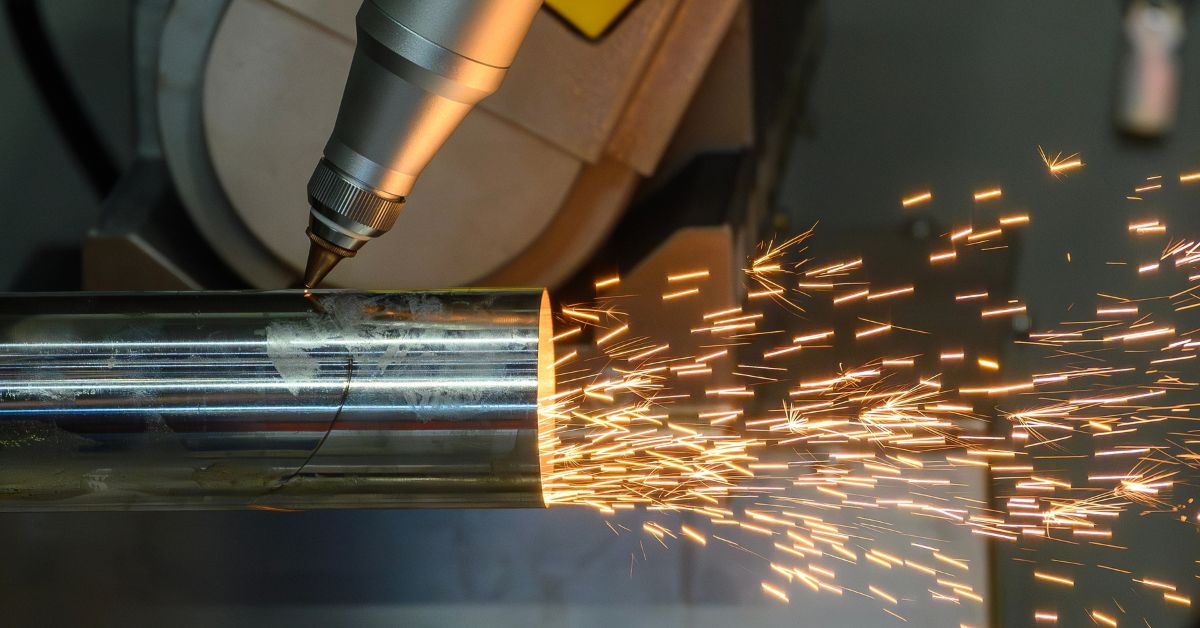
Short lead times, tight margins and labour shortages continue to challenge sheet metal workshops across Australia and New Zealand. Every inefficiency in production adds cost, especially when machines are not being used to their full capability. This is why the discussion around laser cutting vs punching remains so important. Rather than choosing one process over … Laser Cutting vs Punching: Choosing the Right Mix
Rising labour costs, a shrinking pool of skilled tradespeople, tighter tolerances, and faster customer expectations are reshaping metal fabrication across Australia and New Zealand. Many workshops have pushed manual processes as far as they can. Overtime and additional staff no longer deliver the gains they once did. Automation systems for fabrication now offer a practical … Automation Systems for Fabrication