

Nitrogen generation refers to the process of separating nitrogen from atmospheric air, which naturally contains about 78% nitrogen. For decades, Australian manufacturers relied on traditional supply methods like gas cylinders and bulk liquid deliveries. However, the industrial landscape has shifted dramatically toward on-site nitrogen generation systems.
This transformation particularly benefits Australian sheet metal manufacturing companies, engineering firms, and metal fabrication workshops. Production managers and business owners now recognise that generating nitrogen on-site provides unmatched control over their gas supply. Instead of depending on external suppliers, companies can produce nitrogen tailored to their exact purity requirements.
The advantages speak for themselves. Cost-effectiveness tops the list, with many businesses seeing returns on investment within 18 months. Reliability follows closely, as on-site systems eliminate supply interruptions that can halt production lines. Control over nitrogen quality means no more paying for higher purities than actually needed.
Traditional nitrogen supply methods create ongoing financial and operational headaches for Australian manufacturers. High and unpredictable costs plague businesses that rely on cylinder deliveries or bulk liquid nitrogen. Companies typically pay between $2.50 and $5.00 per hundred cubic feet for delivered nitrogen, plus additional charges for cylinder rentals, delivery fees, and administrative overhead.
The pricing structure often forces businesses to purchase higher purities than their processes actually require. A laser cutting operation might need 99.5% purity nitrogen, but suppliers frequently only offer 99.9% or higher grades at premium prices. This oversupply inflates operating costs without providing additional value.
Logistical complexities compound these expense issues. Managing delivery schedules, maintaining inventory levels, and coordinating with suppliers demands significant administrative time. Production delays become inevitable when deliveries arrive late or when unexpected demand surges exhaust stored supplies. Remote manufacturing locations face even greater challenges, as transportation costs increase and delivery reliability decreases.
Safety hazards present another serious concern. Workers must handle heavy, high-pressure cylinders that can cause injuries during transport and installation. Bulk liquid nitrogen storage introduces risks of oxygen displacement and extreme cold burns. Even minor leaks can create hazardous working conditions.
Environmental impact adds yet another dimension to these drawbacks. Frequent truck deliveries generate substantial carbon emissions, particularly for rural operations. Waste occurs regularly when partially used cylinders get returned with residual gas that’s never fully consumed.
On-site nitrogen generation eliminates most traditional supply problems while introducing significant operational advantages. Cost savings represent the most immediate benefit, with operational expenses dropping to as low as $0.11 per hundred cubic feet. This dramatic reduction stems from eliminating recurring delivery charges, rental fees, and supplier markups.
Most businesses achieve return on investment within 12 to 24 months, depending on their nitrogen consumption patterns. GWB Machine Tools has observed clients reducing their annual nitrogen costs by 50-80% after installing on-site generation systems. The savings become more pronounced as consumption increases.
Reliability reaches new levels with 24/7 nitrogen availability. Production schedules no longer depend on delivery windows or supplier availability. Equipment downtime from gas shortages becomes a thing of the past. Operations continue smoothly even during supply chain disruptions that affect traditional gas deliveries.
Enhanced safety comes from eliminating high-pressure cylinder handling and reducing stored gas volumes. On-site generators operate at moderate pressures and produce nitrogen on demand, minimising storage requirements. Workers face fewer physical risks, and facilities reduce their overall safety liability.
Control over nitrogen purity allows precise matching of gas specifications to application requirements. Laser cutting stainless steel might require 99.99% purity, while tire inflation needs only 95%. On-site systems can adjust purity levels to optimise both quality and operating costs.
Environmental benefits include eliminating transportation-related emissions and reducing overall energy consumption compared to commercial nitrogen production and distribution. Many companies find that on-site generation aligns with their sustainability goals while improving their bottom line.
PSA technology represents the most widely adopted method for generating high-purity nitrogen in industrial settings. The system relies on Carbon Molecular Sieves (CMS) to selectively separate nitrogen from compressed air. These specialised materials contain precisely sized pores that trap oxygen, carbon dioxide, and water vapour molecules while allowing nitrogen to pass through freely.
The process operates through a carefully orchestrated two-tower system. While one tower performs adsorption under pressure, capturing unwanted gases, the second tower undergoes regeneration at reduced pressure. During regeneration, trapped impurities release back to atmosphere, refreshing the CMS material for the next cycle. This alternating operation ensures continuous nitrogen production without interruption.
PSA generators excel at producing nitrogen purities ranging from 95% to an impressive 99.9999%. The exact purity level depends on cycle timing, pressure differentials, and system design parameters. Higher purities require longer cycle times and more precise control, but the technology readily achieves the specifications needed for demanding applications.
The robust nature of PSA systems makes them ideal for industrial environments. They handle varying demand patterns well and maintain consistent purity levels across different operating conditions. Automated control systems monitor performance continuously and adjust parameters to optimise efficiency.
For businesses wondering how to generate nitrogen reliably at high purities, PSA technology offers proven performance. The systems integrate easily with existing compressed air infrastructure and provide the flexibility to adjust output based on production requirements.
Membrane technology offers a simpler approach to nitrogen generation that works well for moderate purity applications. The system uses thousands of hollow fibre membranes arranged in modules through which compressed air flows. These semi-permeable fibres allow fast-permeating gases like oxygen and water vapour to pass through their walls more readily than nitrogen molecules.
As compressed air travels through the hollow centres of these fibres, oxygen and other unwanted gases diffuse outward through the membrane walls and vent to atmosphere. Nitrogen, being less permeable, continues along the fibre length and collects as product gas. This selective permeation process requires no moving parts or complex cycling systems.
Membrane generators typically produce nitrogen purities between 95% and 99.5%, making them suitable for applications that don’t require ultra-high purity levels. The technology shines in situations where simplicity and low maintenance matter more than achieving maximum purity.
Installation proves straightforward since membrane systems have few components and require minimal setup. They operate quietly and consume less energy than PSA systems for moderate purity applications. However, their efficiency decreases significantly when purities above 99% are required, making them less suitable for demanding industrial processes.
The membrane approach to generating nitrogen appeals to smaller operations or applications where consistent moderate purity meets process requirements. Food packaging, tyre inflation, and some welding applications work well with membrane-generated nitrogen.
Cryogenic distillation represents the most complex method of nitrogen generation, reserved for large-scale operations requiring ultra-high purity gas. The process begins by compressing and cooling ambient air to extremely low temperatures until it liquefies. Once in liquid form, fractional distillation separates the components based on their different boiling points.
Nitrogen has a lower boiling point than oxygen, so it vaporises first during the warming process. Careful temperature control allows collection of nitrogen gas while leaving oxygen in liquid form. This method can achieve nitrogen purities exceeding 99.999%, meeting the most stringent industrial requirements.
The technology demands substantial capital investment and higher operating costs compared to PSA or membrane systems. Energy consumption runs significantly higher due to the refrigeration requirements. Complex control systems maintain the precise conditions needed for effective separation.
Cryogenic generators make economic sense only for very large nitrogen users who need both high purity and high volume. Facilities consuming hundreds of thousands of cubic feet per month may find cryogenic distillation cost-effective. However, most Australian manufacturers find PSA or membrane systems better suited to their requirements and budgets.
Understanding how to generate nitrogen on-site requires familiarity with the complete system components working together. Each element plays a critical role in producing consistent, high-quality nitrogen gas.
The air compressor serves as the foundation of any nitrogen generation system. It draws ambient air and compresses it to the pressures required for efficient separation. Compressor reliability directly impacts nitrogen production consistency. Most systems operate at pressures between 100-150 PSI, though specific requirements vary by generator type and capacity.
Compressed air requires thorough treatment before entering the nitrogen generator. Pre-filters remove dust, oil vapours, and other contaminants that could damage downstream components. These filters typically include coalescing filters for oil removal and particulate filters for solid contaminants. Air dryers follow filtration to remove moisture from the compressed air stream. Water removal prevents freeze damage in PSA systems and membrane degradation in hollow fibre units. Refrigerated dryers work well for most applications, while desiccant dryers serve installations requiring extremely dry air.
The dry air receiver tank stores treated, compressed air and provides a buffer against demand fluctuations. This component smooths out pressure variations and ensures steady air supply to the nitrogen generator. Proper sizing prevents pressure drops that could affect nitrogen purity or production rates.
The separation unit represents the heart of the system where actual nitrogen generation occurs. PSA units contain the carbon molecular sieve towers and switching valves that control the adsorption cycles. Membrane units house the hollow fibre modules through which air separation takes place. Generator sizing must match both flow requirements and desired purity levels.
Generated nitrogen flows into a buffer tank that provides immediate supply for peak demands and maintains stable pressure for downstream applications. Tank sizing depends on consumption patterns and desired supply security. Larger tanks provide better buffering but require more space and investment.
Modern nitrogen generators include sophisticated control systems that monitor pressure, flow, purity, and other critical parameters. These systems automatically adjust operation to maintain specified conditions and provide alarms when intervention is needed. Remote monitoring capabilities allow operators to track performance from anywhere on the plant floor or even off-site.
Metal fabrication represents one of the largest applications for on-site nitrogen generation in Australia. Laser cutting operations depend heavily on nitrogen as an assist gas to achieve clean, oxidation-free cuts. The gas prevents burning and discoloration while enabling faster cutting speeds and superior edge quality.
Stainless steel and aluminium cutting typically requires nitrogen purities between 99.99% and 99.999%. Lower purities can cause oxidation and poor cut quality, while higher purities increase operating costs unnecessarily. GWB Machine Tools integrates nitrogen generation systems with their advanced laser cutting equipment, ensuring optimal performance and reduced operating expenses for their clients.
Heat treatment processes use nitrogen to create inert atmospheres that prevent oxidation and decarburization of metal surfaces during thermal cycles. This application requires precise control over both purity and flow rates to maintain consistent results across different treatment cycles.
Soldering and brazing operations benefit from nitrogen’s ability to displace oxygen and improve bond quality. Electronics manufacturing particularly values this application where joint reliability affects product performance and longevity.
GWB Machine Tools has found that clients using integrated nitrogen generation systems achieve better productivity and lower operating costs compared to those relying on delivered gas supplies. The combination of reliable nitrogen supply with advanced fabrication equipment creates a competitive advantage in the Australian manufacturing market.
Food and beverage manufacturers increasingly rely on nitrogen for Modified Atmosphere Packaging (MAP) applications. By displacing oxygen in packaging, nitrogen extends shelf life and maintains product quality during distribution and storage. This application typically requires moderate purity levels, making membrane generators cost-effective choices.
Blanketing applications protect wine, beer, and other beverages from oxidation during production and storage. Nitrogen creates an inert layer above liquid surfaces, preventing spoilage and maintaining flavour profiles. Breweries and wineries find on-site generation particularly valuable given their consistent nitrogen demands.
Pharmaceutical production requires ultra-high purity nitrogen for inerting and blanketing applications that protect sensitive compounds from degradation. Laboratory instruments including gas chromatographs and mass spectrometers depend on continuous, high-purity nitrogen supplies for accurate operation.
These applications demand consistent purity levels and uninterrupted supply, making on-site generation attractive despite higher initial investments. The ability to control gas quality and eliminate supply disruptions often justifies the additional expense in critical applications.
Mining operations use nitrogen for tyre inflation in large equipment where the inert gas prevents internal corrosion and reduces fire risks. Oil and gas facilities employ nitrogen for inerting pipelines and storage tanks, creating safe atmospheres in potentially explosive environments.
These safety-critical applications require reliable nitrogen supplies that won’t fail during emergencies. On-site generation provides the security and control needed for operations where gas supply interruptions could create hazardous conditions.
Proper maintenance ensures nitrogen generation systems operate efficiently throughout their design life while maintaining specified purity levels. Neglecting routine care leads to decreased performance, higher operating costs, and premature component failure. Establishing a comprehensive maintenance schedule protects the investment and ensures reliable nitrogen production.
Regular attention to system maintenance also prevents unexpected downtime that could disrupt production schedules. Many manufacturers have discovered that proactive maintenance costs far less than emergency repairs and lost production time.
Daily maintenance tasks include checking system pressures, emptying automatic drain valves, and visually inspecting equipment for leaks or damage. These simple checks take only minutes but help identify developing problems before they cause system failures.
Monthly activities involve more detailed inspections of filters, pressure gauges, and control systems. Filter replacement schedules typically call for changes every 8,000 operating hours, though contaminated environments may require more frequent service. PSA systems need switching valve inspections every 30,000 to 40,000 operating hours to ensure proper cycle timing.
Annual maintenance includes comprehensive system inspections and performance testing. Carbon molecular sieve material in PSA generators typically lasts 5-8 years before requiring replacement. Membrane elements in hollow fibre systems generally need replacement every 5-7 years, depending on operating conditions and air quality.
Operating environment significantly influences system longevity. High temperatures, humidity, and poor air quality accelerate component wear and reduce service life. Facilities with clean, conditioned air and stable operating conditions achieve maximum equipment life.
Adherence to manufacturer maintenance schedules directly impacts system durability. PSA generators properly maintained can achieve design lives of 20-25 years, while membrane systems typically last up to 15 years before major component replacement becomes necessary.
How to generate nitrogen reliably over many years depends largely on consistent maintenance practices and operating within design parameters. Systems that receive proper care deliver decades of trouble-free service while maintaining specified performance levels
On-site nitrogen generation delivers compelling advantages for Australian manufacturers, particularly in metal fabrication and engineering sectors. The technology transforms nitrogen from a recurring expense into a controlled asset that supports reliable production while reducing costs.
The financial benefits alone justify consideration of on-site generation. With operational costs as low as $0.11 per hundred cubic feet compared to $2.50-$5.00 for delivered nitrogen, most installations pay for themselves within two years. Beyond cost savings, the operational advantages of 24/7 availability, enhanced safety, and precise purity control create competitive advantages that extend far beyond the initial investment.
Modern PSA and membrane technologies provide proven solutions for virtually any nitrogen requirement. Whether your application demands ultra-high purity for laser cutting or moderate purity for general industrial use, appropriate technology exists to meet your specific needs.
As Australian manufacturers continue modernising their operations, integrating on-site nitrogen generation becomes a strategic decision that supports both current efficiency and future growth. The technology eliminates supply vulnerabilities while providing the control and reliability that modern manufacturing demands.
Evaluating your nitrogen requirements and considering on-site generation represents a logical step toward improved operational efficiency and enhanced competitive positioning. The question isn’t whether to adopt this technology, but rather which system configuration best serves your specific applications and growth plans.
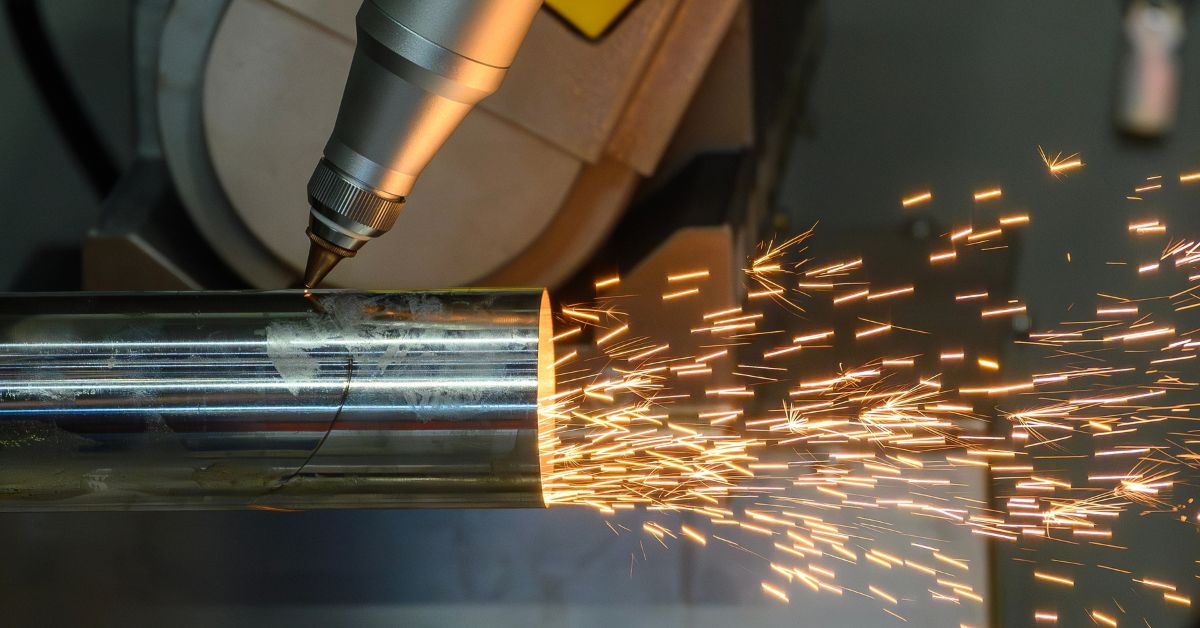
Press brakes and punch presses are central to most fabrication workshops across Australia. They deliver precision and productivity, but they also introduce serious risks if not managed correctly. Clear and practical press brake safety tips are essential for maintaining a safe working environment without slowing production. When safety becomes part of daily operations rather than … Press Brake Safety Tips Every Aussie Workshop Needs
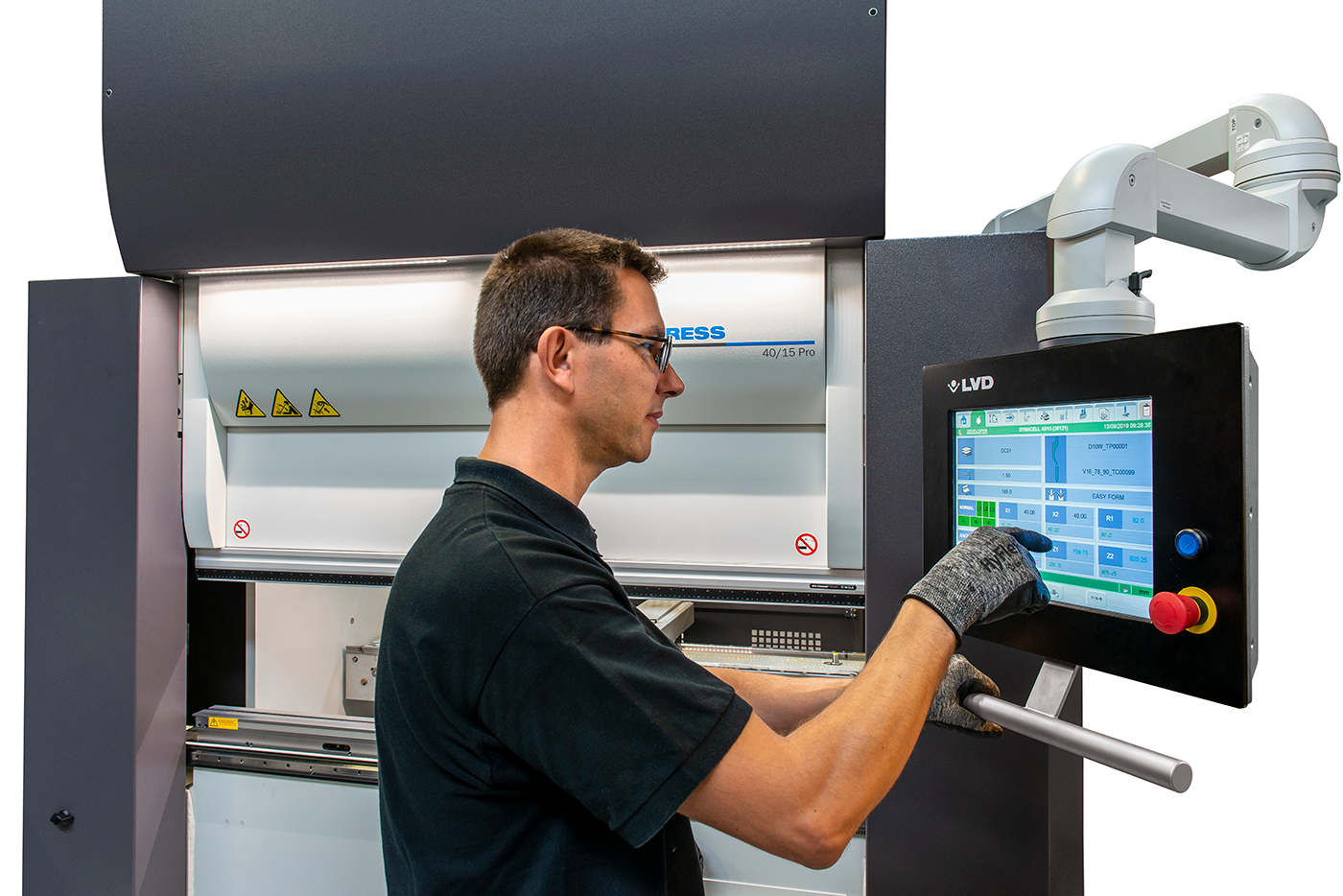
Short lead times, tight margins and labour shortages continue to challenge sheet metal workshops across Australia and New Zealand. Every inefficiency in production adds cost, especially when machines are not being used to their full capability. This is why the discussion around laser cutting vs punching remains so important. Rather than choosing one process over … Laser Cutting vs Punching: Choosing the Right Mix
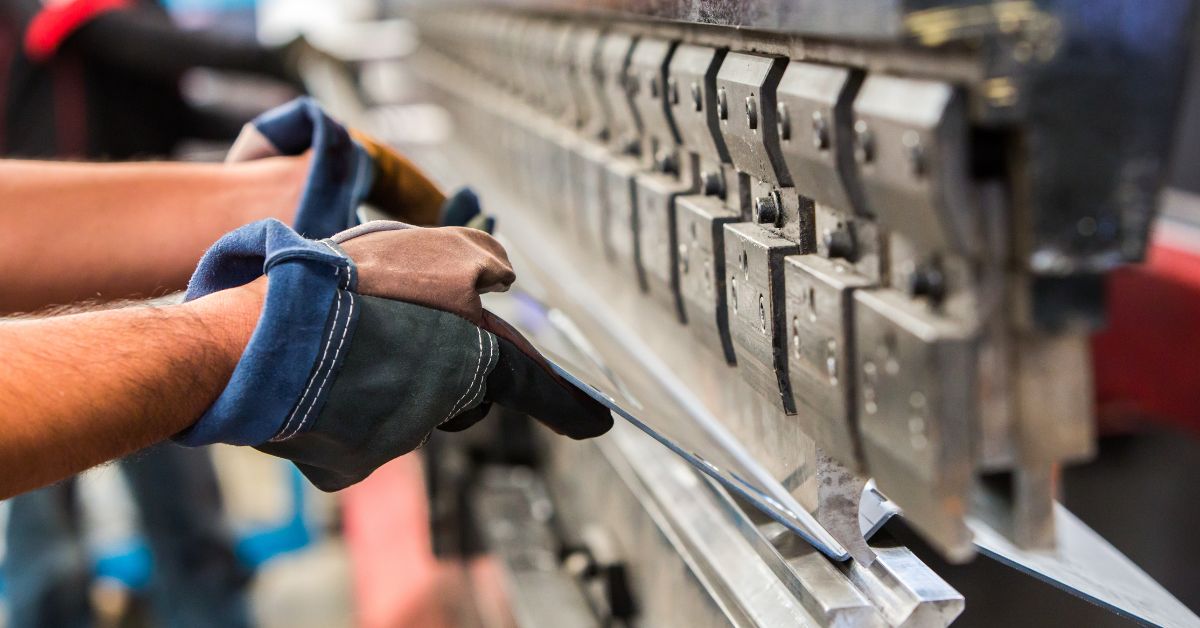
Rising labour costs, a shrinking pool of skilled tradespeople, tighter tolerances, and faster customer expectations are reshaping metal fabrication across Australia and New Zealand. Many workshops have pushed manual processes as far as they can. Overtime and additional staff no longer deliver the gains they once did. Automation systems for fabrication now offer a practical … Automation Systems for Fabrication