Levelling for Stainless & Aluminium: Avoiding Surface Damage

When you level stainless steel or aluminium sheet, the brief is simple: remove coil set and crossbow without marking a premium surface. Easy to say—hard to do—especially with brushed stainless, mirror finishes, and soft aluminium alloys that show every scuff. The right levelling setup, housekeeping, and film-handling practices are what separate first-class results from costly rework. Here’s a practical guide focused on surface protection from infeed to outfeed.

Roll materials and support surfaces (mechanics that protect the face)

You only get one chance to touch a pristine surface the right way. Start by making sure every contact point is designed for gentle handling.

  • Work rolls and backups: Precision-ground work rolls with tight run-out and dense backup support spread force evenly. That limits point-loading that can print through on thin stainless or soft aluminium. Match reduction to the alloy and thickness; aim for “just enough plasticisation” to remove defects without overworking the face. 
  • Entry/exit tables: Use low-friction, non-abrasive contact materials on tables and guides (e.g., UHMW inserts, clean felt/nylon brushes) to avoid drag marks while threading and during standard runs. 
  • Strip guidance: Smooth-edge side guides and well-set passline keep edges off hard corners. On decorative surfaces, even a light kiss from a sharp guide can leave a witness line. 
  • Pinch/feeder rolls: Specify softer, clean coverings that grip without embossing. Check durometer and replace when glazing or cuts appear. 
  • Threading modes: Slow, manual jog with minimal wrap angles while threading reduces scuff risk. Once the lead is through, shift to production parameters. 
  • Dry lube where appropriate: If your process uses dry film lubricants, confirm compatibility with protective films and the planned downstream cleaning stage so you don’t trap residues that attract dust. 

Kohler precision levelling technology is built around consistent force control and stable strip support—key to removing shape defects while keeping faces unmarked.

Cleaning & housekeeping (grit is the enemy)

Most “mystery scratches” are simply dirt travelling through the machine. Treat cleanliness as a process parameter, not an afterthought.

  • Roll hygiene: Wipe and inspect work rolls on shift change or product change, not just at the end of the day. A single metal chip can track a spiral mark across an entire bundle. 
  • Brush/air assist: Fit effective pre-clean brushes and filtered, oil-free air knives at entry to remove grit before it touches a roll. Check brush condition—they should clean, not shed fibres. 
  • Table tops and guides: Adopt a “white-glove” mindset. If you can feel dust with a fingertip, it will mark a #4 or BA stainless. Clean with non-abrasive cloths; avoid solvents that soften protective films. 
  • Housekeeping around the line: Keep pallet timber, strap offcuts and grinding dust away from the infeed. Protect the leveller from adjacent processes (plasma/laser bays) with airflow control and barriers. 
  • Gloves and PPE: Require clean, non-textured gloves for manual assists. Rings, zips and buttons are scratch risks—set a dress code for touch points. 

A clean machine isn’t cosmetic—it’s capacity. Less fallout, fewer re-polish cycles, and happier downstream customers.

Film handling (the make-or-break step for surface protection)

Protective film is not a licence to be rough. Handled poorly, it becomes the scratch source.

  • Keep or remove film? For many finishes, levelling with film on is preferred. But confirm the film’s thickness and adhesive are rated for levelling—some carriers print orange-peel or slip under load. Run a short trial on the same finish before committing production volume. 
  • Entry inspection: Reject sheets/coils with torn or contaminated film. Trapped grit becomes sandpaper under roll pressure. 
  • Tension & wrap: Too much pinch/tension can emboss the film texture; too little allows micro-slip that scuffs. Set just enough to stabilise strip without “printing” the carrier. 
  • Re-film strategy: If your process removes film pre-levelling (e.g., for oil-free downstream bonding), have a clean re-film step after levelling and before stacking to protect the face through logistics. 
  • Peel direction: When removing, peel at a shallow angle with steady force. Steep pulls can shock the surface and leave adhesive on warm days. 

Good film practice can halve handling marks overnight—simple, disciplined steps that pay for themselves.

Practical checks for stainless & aluminium runs

A short pre-flight on every changeover keeps surprises out of the stack:

  1. Coupon test: Feed a sacrificial strip to verify setup—look for micro-witness lines, roll prints, or new scratches under bright light. 
  2. Edge check: Confirm guides aren’t kissing the decorative face; adjust passline or guide spacing. 
  3. Flatness vs force: If you’re flat but seeing faint marks, reduce reduction a touch and add a second, lighter pass rather than one aggressive pass. 
  4. Stacking aids: Use interleaf where the customer spec demands it; keep lift points and vacuum cups clean to prevent ring marks on aluminium. 

Troubleshooting quick hits

  • Diagonal scuff after changeover: Check entry brushes for embedded chip; inspect the first work roll for a tracked particle. 
  • Random specks imprinting: Review air filtration and nearby grinding operations; check operator gloves. 
  • Film orange-peel effect: Lower pinch pressure, switch to a levelling-rated film, or trial de-film + re-film workflow. 
  • Edge burnish lines: Ease guide pressure; confirm strip isn’t wandering due to asymmetrical reduction. 

Need to level stainless steel and aluminium without compromising finish? GWB Machine Tools supplies Kohler Levelling Machines and application support tailored to premium surfaces. We can help you tune roll settings, specify entry cleaning, and optimise surface protection and film-handling so flatness improves and defects drop.

Talk to GWB Machine Tools to review your current parts, finishes and handling flow—and set up a levelling process that delivers showroom-grade surfaces at production speed.


Stay Connected

Latest News

Press Brake Safety Tips Every Aussie Workshop Needs
March 23, 2026

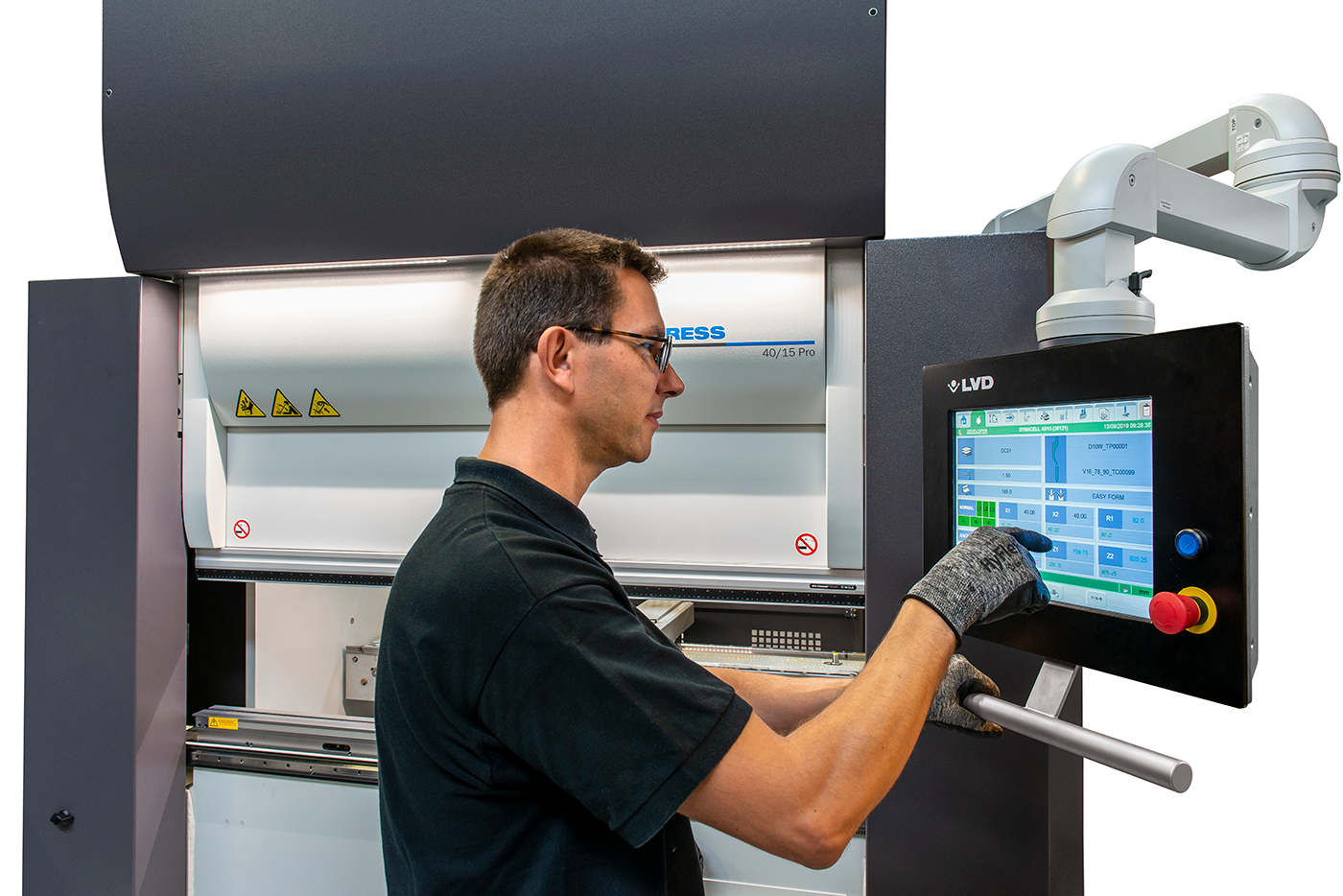
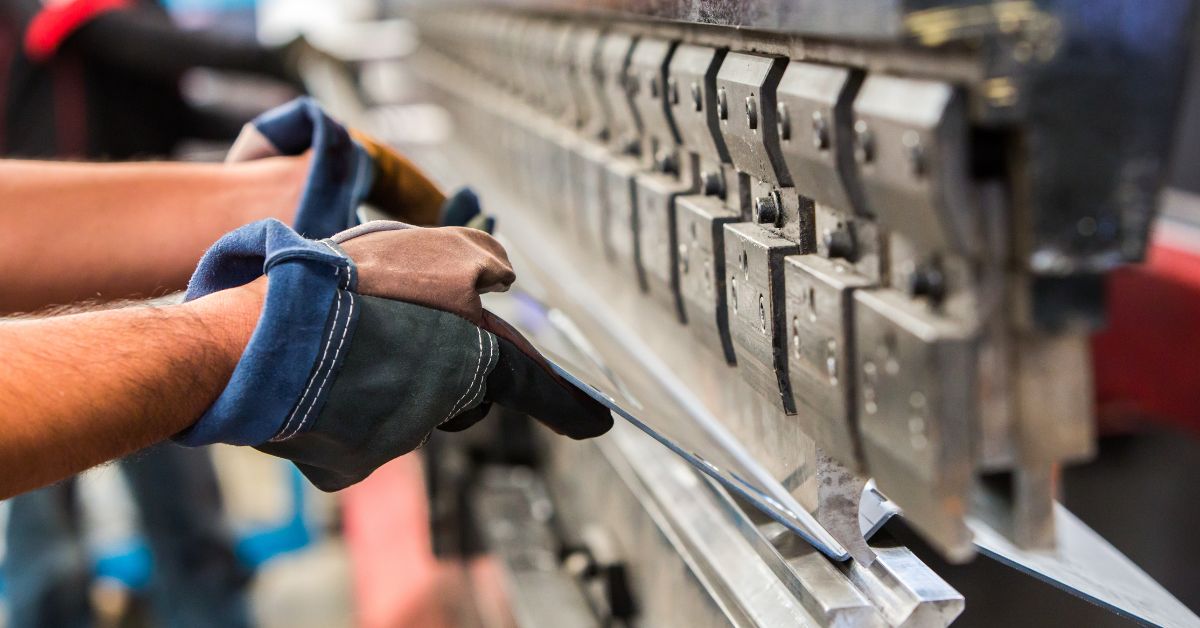
Press brakes and punch presses are central to most fabrication workshops across Australia. They deliver precision and productivity, but they also introduce serious risks if not managed correctly. Clear and practical press brake safety tips are essential for maintaining a safe working environment without slowing production. When safety becomes part of daily operations rather than Press Brake Safety Tips Every Aussie Workshop Needs

Read more

Laser Cutting vs Punching: Choosing the Right Mix
March 23, 2026

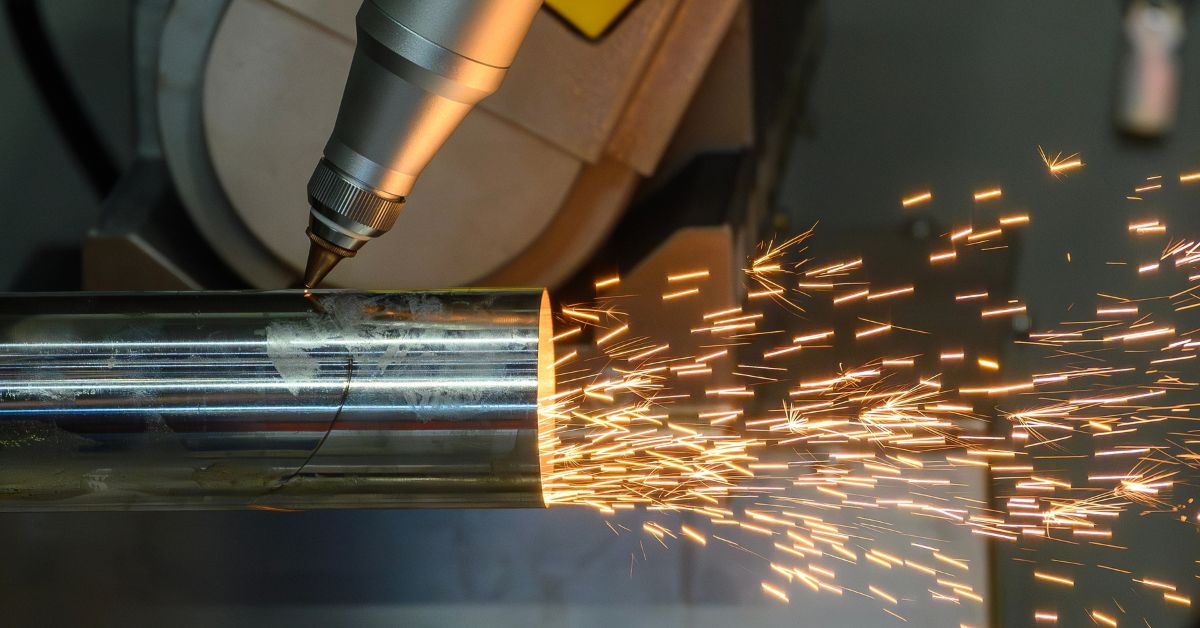
Short lead times, tight margins and labour shortages continue to challenge sheet metal workshops across Australia and New Zealand. Every inefficiency in production adds cost, especially when machines are not being used to their full capability. This is why the discussion around laser cutting vs punching remains so important. Rather than choosing one process over Laser Cutting vs Punching: Choosing the Right Mix

Read more

Automation Systems for Fabrication

March 16, 2026

Rising labour costs, a shrinking pool of skilled tradespeople, tighter tolerances, and faster customer expectations are reshaping metal fabrication across Australia and New Zealand. Many workshops have pushed manual processes as far as they can. Overtime and additional staff no longer deliver the gains they once did. Automation systems for fabrication now offer a practical Automation Systems for Fabrication

Read more
GWB Machine Tools provides machine cutting and folding solutions for sheet metal manufacturers and engineers operating in Australia and New Zealand.
Stay Connected

Subscribe to our newsletter and stay informed
GWB Machine Tools © 2026. All rights reserved.
Developed by Rise SEO - Web Design & SEO Brisbane