

Nitrogen gas (N₂) is indispensable across many sectors—ranging from food packaging to chemical processing, and especially in metal industries for laser cutting and heat treatment. Rather than relying on bottled cylinders or frequent deliveries, an on-site generator produces high-purity nitrogen from ambient air. If you’re wondering “how does a nitrogen generator work”, the short answer is: it separates nitrogen from oxygen on demand—cutting costs, improving sustainability and ensuring a continuous supply during critical operations.
Generating nitrogen on demand also ensures control over purity levels (adaptable to each process’s needs) while reducing the carbon footprint linked with transporting gas cylinders. Below, we’ll dive into how nitrogen generators function, explore different generation methods, and highlight how they benefit metal fabrication and related industries.
Atmospheric air is ~78% nitrogen, ~21% oxygen and ~1% other gases. To explain ‘how does a nitrogen generator work’, think separation: the system extracts nitrogen and vents the excess oxygen/trace gases, delivering a controlled purity stream for production. Key separation technologies include:
Each approach aims to isolate nitrogen at purities often exceeding 95%, 99.5%, or even 99.999% (depending on system design and application requirements).
While each generator type differs, most follow a broad sequence:
Nitrogen generators offer cost savings, flexibility, and consistent purity when supplying inert gas to metal fabrication and other industries. Understanding how a nitrogen generator works—from the compression and separation stages to real-time purity monitoring—reveals why many companies are ditching cylinder deliveries for self-sufficient, on-site setups. Whether using PSA, membrane, or cryogenic technology, the benefits of in-house nitrogen production include reduced downtime, improved process control, and a direct path to enhanced quality and efficiency in everyday operations.
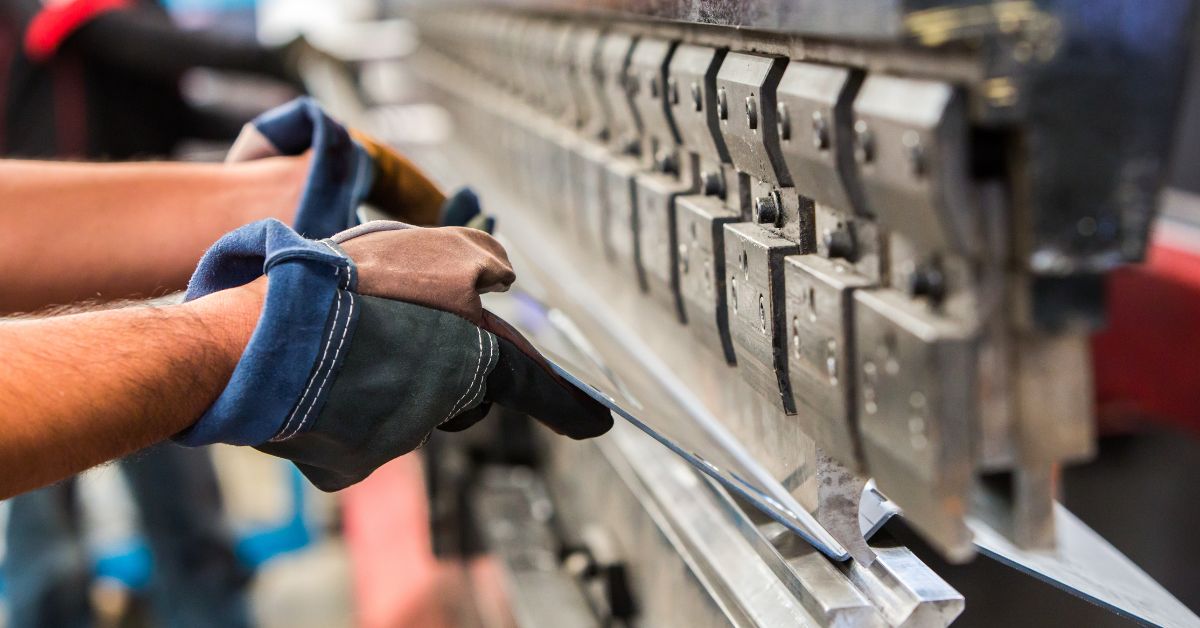
Press brakes and punch presses are central to most fabrication workshops across Australia. They deliver precision and productivity, but they also introduce serious risks if not managed correctly. Clear and practical press brake safety tips are essential for maintaining a safe working environment without slowing production. When safety becomes part of daily operations rather than … Press Brake Safety Tips Every Aussie Workshop Needs
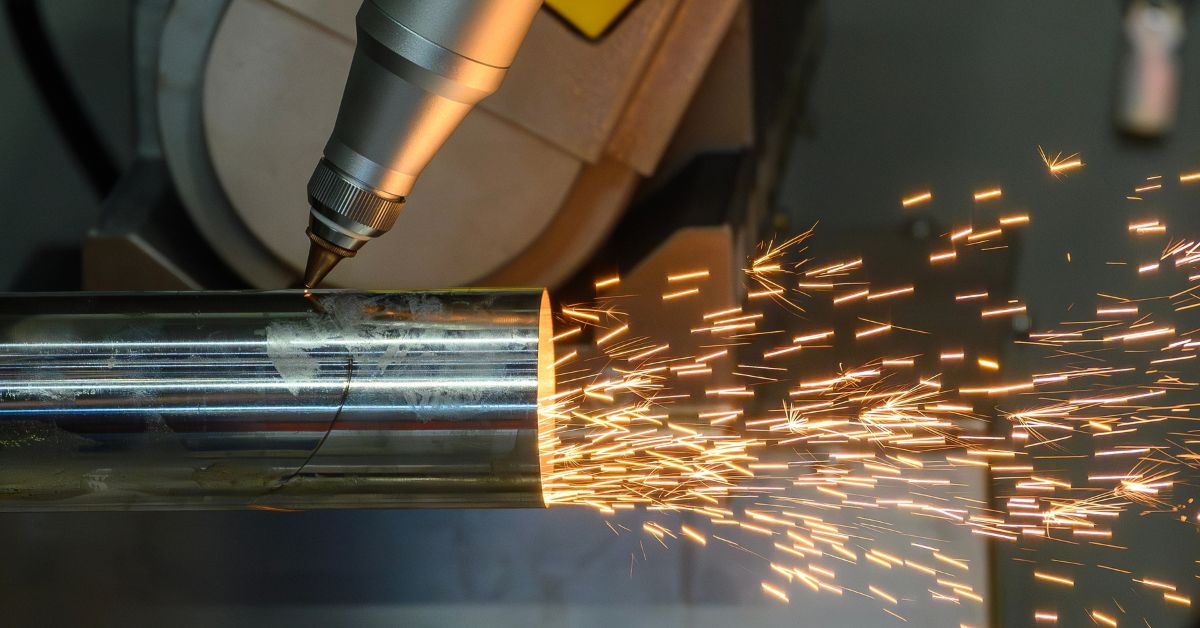
Short lead times, tight margins and labour shortages continue to challenge sheet metal workshops across Australia and New Zealand. Every inefficiency in production adds cost, especially when machines are not being used to their full capability. This is why the discussion around laser cutting vs punching remains so important. Rather than choosing one process over … Laser Cutting vs Punching: Choosing the Right Mix
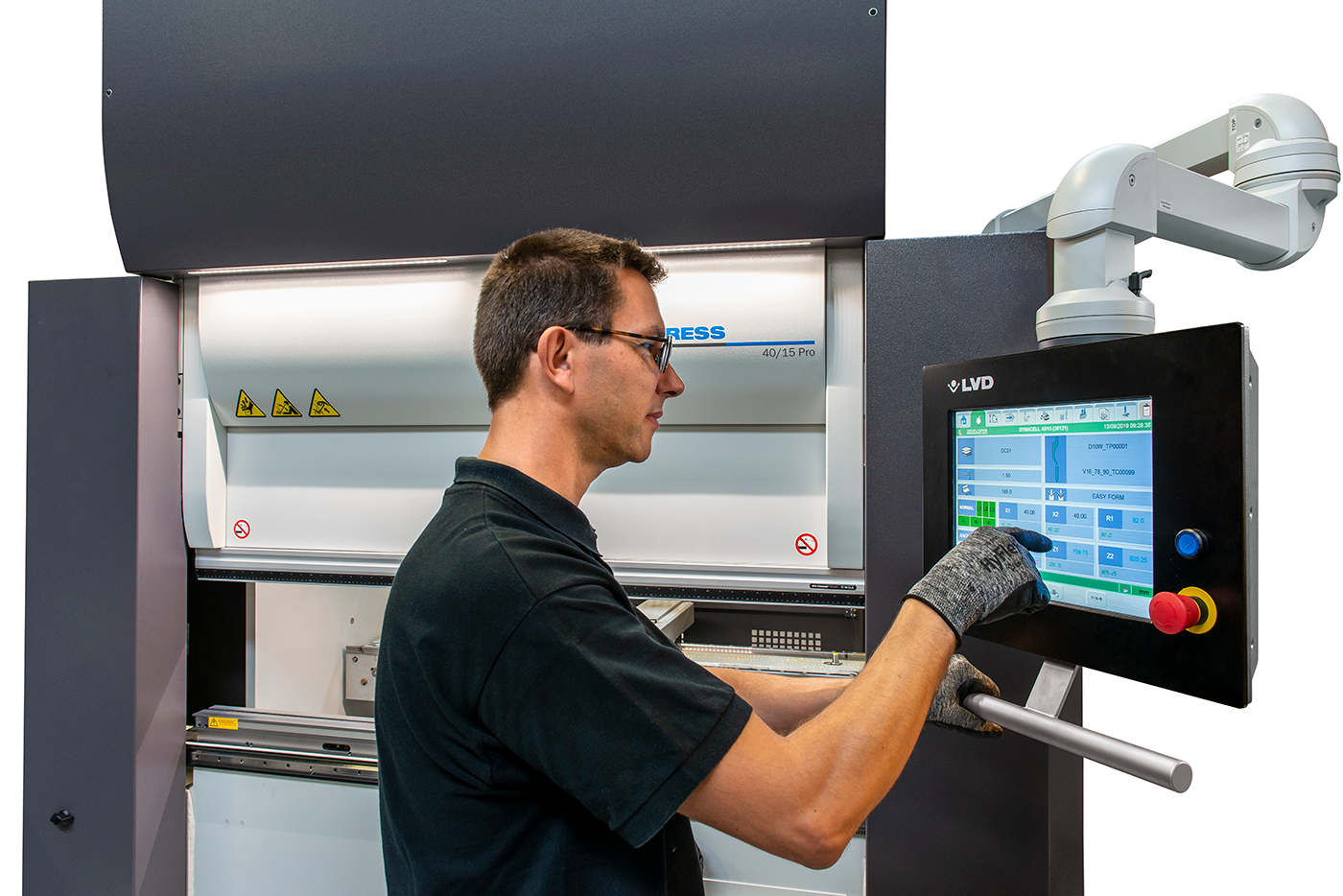
Rising labour costs, a shrinking pool of skilled tradespeople, tighter tolerances, and faster customer expectations are reshaping metal fabrication across Australia and New Zealand. Many workshops have pushed manual processes as far as they can. Overtime and additional staff no longer deliver the gains they once did. Automation systems for fabrication now offer a practical … Automation Systems for Fabrication