
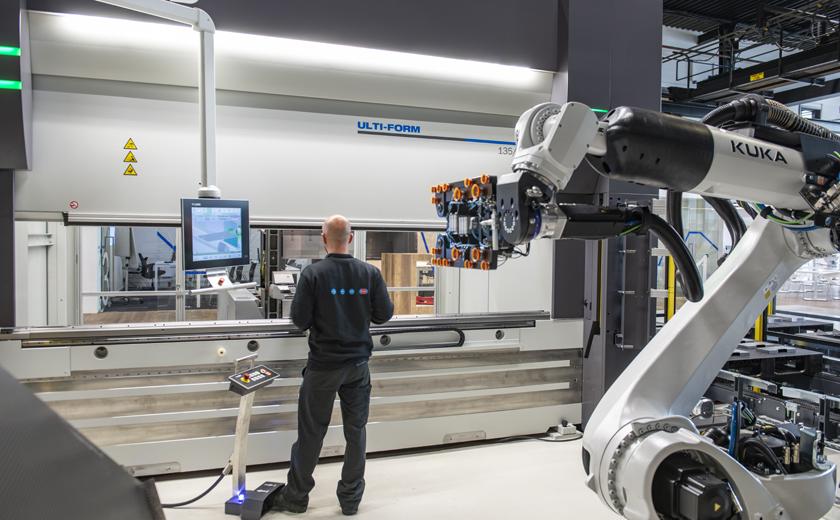
Glen Dimplex New Zealand is part of the Glen Dimplex Group which was founded in 1973 and considered the world’s largest electrical heating business holding significant market positions in the domestic appliance industry worldwide. With an annual turnover of NZ$3.6 Billion, the Group employs over 10,000 people.
As industry 4.0 has become a competitive requirement Glen Dimplex choose to upgrade to LVD Press Brakes and a Phoenix laser cutter to sync with Cadman Jobs and their existing ERP system. The ERP system communicates with CADMAN-SDI, which imports drawing formats and feeds the data back into the ERP system to help calculate costs. ERP then automatically provides an accurate quotation, based on the actual cutting times of the machine.
With CADMAN-JOBS you can run through the status of every order, The delivery date for the piece in both its 2D form and 3D form is, of course, top priority. The production operator can filter data in various ways in order to bundle jobs.
The CADMAN suite has increased returns by:
After cutting, the pieces are moved to the machine table or unloading pallet for sorting. LVD has provided a sorting function for this operation, which is controlled from a tablet, the Touch-i4. The tablet provides information on the various production orders in the nesting, i.e., the number of pieces, the position in the nesting, and the following operation.
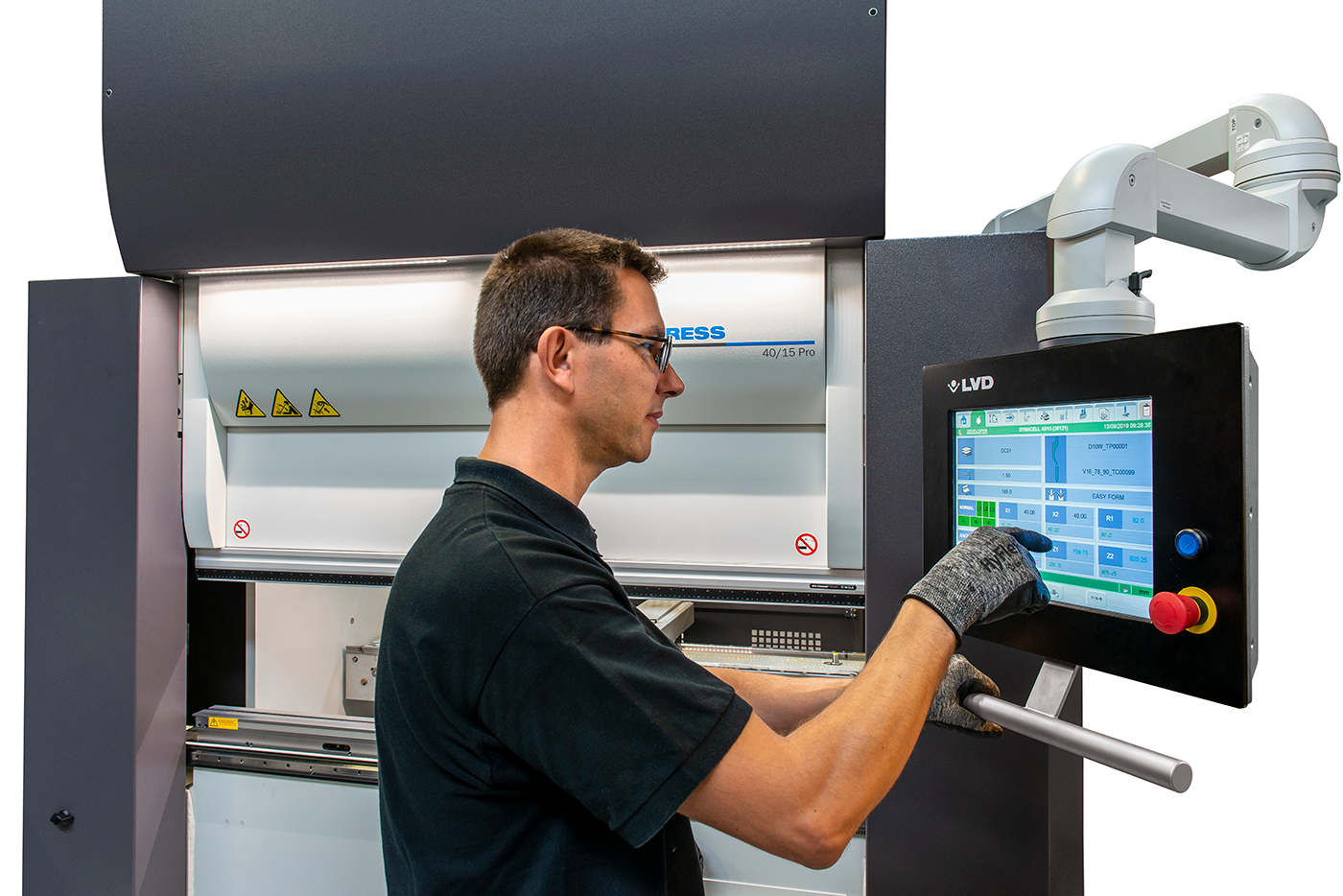
Press brakes and punch presses are central to most fabrication workshops across Australia. They deliver precision and productivity, but they also introduce serious risks if not managed correctly. Clear and practical press brake safety tips are essential for maintaining a safe working environment without slowing production. When safety becomes part of daily operations rather than … Press Brake Safety Tips Every Aussie Workshop Needs
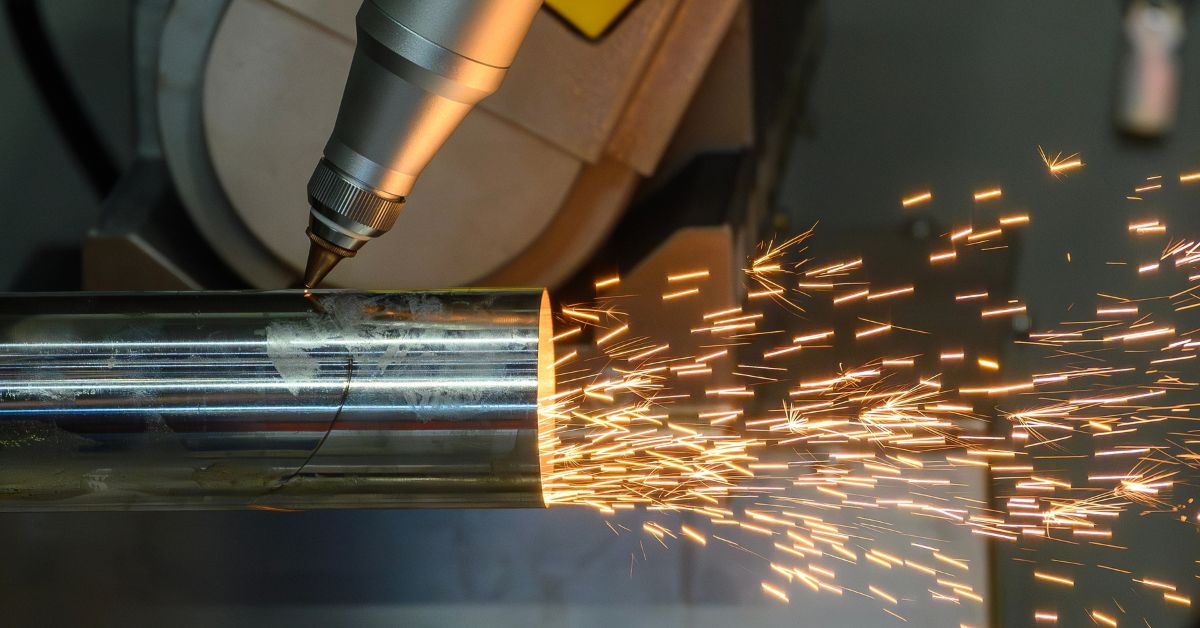
Short lead times, tight margins and labour shortages continue to challenge sheet metal workshops across Australia and New Zealand. Every inefficiency in production adds cost, especially when machines are not being used to their full capability. This is why the discussion around laser cutting vs punching remains so important. Rather than choosing one process over … Laser Cutting vs Punching: Choosing the Right Mix
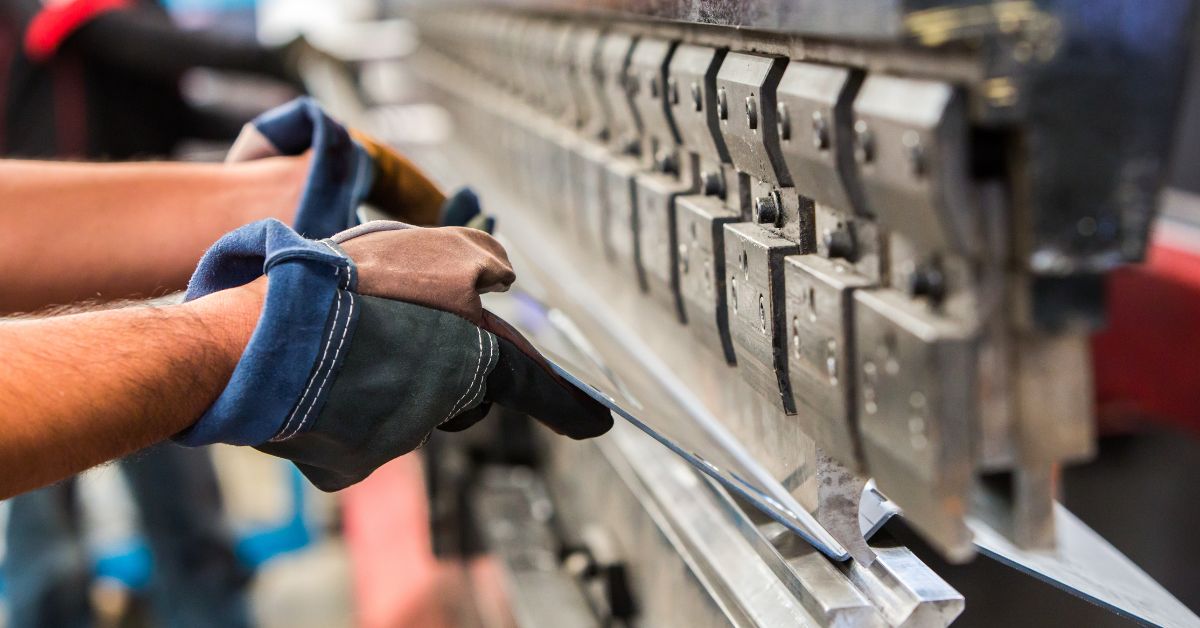
Rising labour costs, a shrinking pool of skilled tradespeople, tighter tolerances, and faster customer expectations are reshaping metal fabrication across Australia and New Zealand. Many workshops have pushed manual processes as far as they can. Overtime and additional staff no longer deliver the gains they once did. Automation systems for fabrication now offer a practical … Automation Systems for Fabrication