
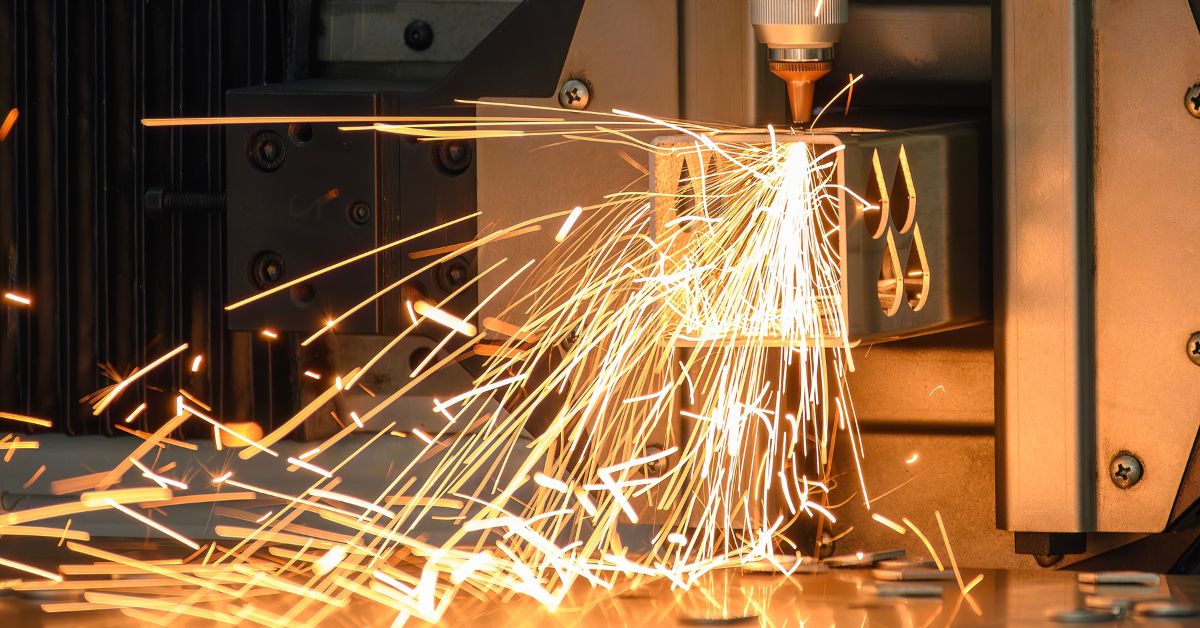
Choosing between a high powered fibre laser and an ultra high powered fibre laser can significantly affect production efficiency, operating costs and long term return on investment. While larger power ratings often appear attractive, selecting the highest available kilowatt level is not always the most practical solution for Australian and New Zealand manufacturers.
The right fibre laser should align with your material profile, production volumes and thickness requirements rather than headline specifications. Understanding where additional power creates genuine value helps fabricators make more informed purchasing decisions and avoid unnecessary operating costs.
Understanding The Difference In Fibre Laser Power
The primary difference between high powered and ultra high powered fibre lasers is output capacity. High powered systems typically operate within the 6 to 12 kW range, while ultra high powered machines generally begin at 15 kW and extend beyond 30 kW.
Both technologies use the same fibre laser principles and cutting methods. However, increased power delivers more energy into the cutting zone, allowing faster processing speeds and greater cutting capacity on thicker materials.
As fibre laser technology has evolved, power levels once considered exceptional have become standard. Modern high powered fibre lasers already outperform many older systems while delivering strong cutting performance across a broad range of materials and thicknesses.
While additional power increases productivity in certain applications, it also introduces higher energy consumption, greater heat generation and increased infrastructure requirements.
Where Ultra High Power Creates Real Value
Ultra high powered fibre lasers deliver their strongest advantages when processing thick plate materials in high production environments. Fabricators regularly cutting heavy mild steel, stainless steel or high strength materials can benefit from significantly faster cutting speeds and higher throughput.
Industries such as structural steel fabrication, mining equipment manufacturing and large scale industrial processing often operate within these material ranges. Faster cutting speeds on plate thicknesses exceeding 20 mm can create substantial production gains when machines operate continuously throughout multiple shifts.
Businesses focused heavily on thick plate processing may justify higher capital investment through reduced cycle times, improved capacity and stronger project turnaround performance.
However, these benefits become less significant when most production involves thinner materials. Excessive power can introduce additional heat into lighter gauge materials, potentially affecting cut quality and reducing process efficiency.
Why High Powered Fibre Lasers Suit Most Fabricators
For many Australian and New Zealand manufacturers, fibre lasers within the 6 to 12 kW range provide the strongest balance between productivity and operating costs. This power range aligns closely with the material profiles commonly found across general fabrication, transport, construction and manufacturing sectors.
Most fabrication businesses process materials between 1 mm and 10 mm thickness on a regular basis. High powered fibre lasers already deliver excellent cutting speeds within these ranges while maintaining strong edge quality and efficient operating costs.
Running expenses also remain lower compared with ultra high powered systems. Energy consumption, cooling requirements, extraction capacity and assist gas usage generally increase alongside laser power. These ongoing costs can significantly influence long term profitability when production volumes do not fully utilise higher power capabilities.
Automation often delivers greater productivity improvements than additional laser power alone. Automated loading systems, material handling solutions and production optimisation strategies frequently increase throughput more effectively than moving from a 10 kW machine to a 20 kW platform.
How GWB Machine Tools Helps Manufacturers Choose Correctly
GWB Machine Tools helps manufacturers evaluate fibre laser options using real production requirements rather than focusing solely on power ratings. The process begins with reviewing material types, thickness ranges, batch sizes and production objectives.
By analysing actual workloads, the team can identify whether a high powered or ultra high powered system provides the strongest operational outcome. This approach helps businesses avoid overinvesting in unnecessary capacity while ensuring sufficient performance for future growth.
GWB Machine Tools also considers broader production factors including automation opportunities, nitrogen generation requirements and downstream fabrication processes. This wider perspective allows manufacturers to assess total operational efficiency rather than viewing laser power in isolation.
With extensive experience supporting manufacturers across Australia and New Zealand, GWB Machine Tools provides practical guidance designed to align machine capability with production realities. For many operations, selecting the right fibre laser power delivers greater long term value than simply choosing the largest specification available.
Choosing between a high powered fibre laser and an ultra high powered fibre laser can significantly affect production efficiency, operating costs and long term return on investment. While larger power ratings often appear attractive, selecting the highest available kilowatt level is not always the most practical solution for Australian and New Zealand manufacturers. The right … High Powered Vs Ultra High Powered Fibre Lasers

Smart automation is transforming metal fabrication by helping manufacturers reduce labour dependency while improving productivity, consistency and operational efficiency. Across Australia and New Zealand, fabricators face ongoing challenges including rising wages, skilled labour shortages and increasing pressure to remain competitive in demanding markets. Traditional fabrication processes often rely heavily on manual handling, repetitive tasks and … How Smart Automation Reduces Labour Costs In Metal Fabrication
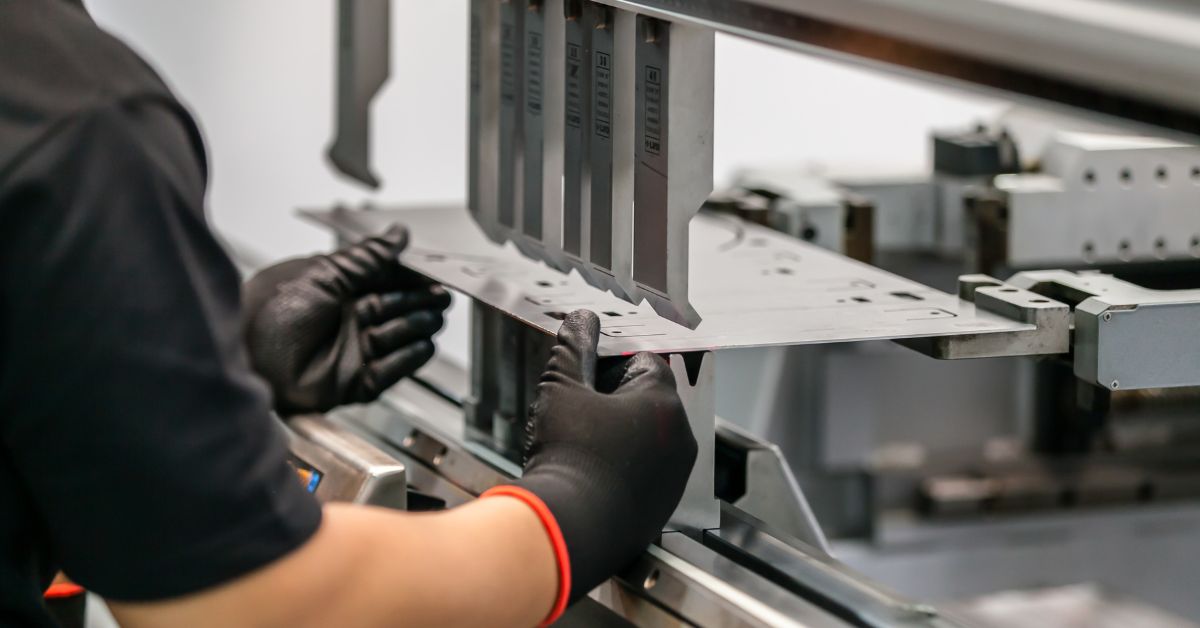
A press brake stands as one of the most powerful tools in metal fabrication, designed specifically for bending sheet and plate metal into precise shapes and angles. Learning how to use a press brake — also known as brake pressing — combines technical knowledge with disciplined safety practices and attention to detail. Safe, accurate press … A Practical Guide to Operating a Press Brake