

Smart automation is transforming metal fabrication by helping manufacturers reduce labour dependency while improving productivity, consistency and operational efficiency. Across Australia and New Zealand, fabricators face ongoing challenges including rising wages, skilled labour shortages and increasing pressure to remain competitive in demanding markets.
Traditional fabrication processes often rely heavily on manual handling, repetitive tasks and specialised labour. As labour costs continue rising, many businesses are turning to automation technologies that allow higher output without increasing workforce requirements. Modern automation systems help fabricators produce more with fewer manual touchpoints while maintaining quality and delivery performance.
The Labour Challenges Facing Fabricators
Labour costs remain one of the largest operating expenses for many fabrication businesses. Skilled tradespeople, CNC operators and experienced fabricators are increasingly difficult to recruit, while training new employees requires significant time and investment.
Manual production environments also create bottlenecks that limit productivity. Additional labour does not always translate directly into higher output when operators spend large portions of their day moving materials, performing repetitive tasks or managing manual machine setups.
Rising compliance obligations, safety requirements and quality standards further increase labour demands. Many workshops find themselves balancing growing workloads against limited workforce availability, creating pressure on production schedules and profitability.
As competitors adopt advanced manufacturing technologies, businesses relying entirely on manual processes often struggle to maintain the same levels of efficiency and cost control.
How Automation Reduces Labour Dependency
Automation reduces labour requirements by allowing fewer operators to manage more production processes simultaneously. Modern CNC laser cutting, punching and press brake systems automate many tasks that previously required constant manual involvement.
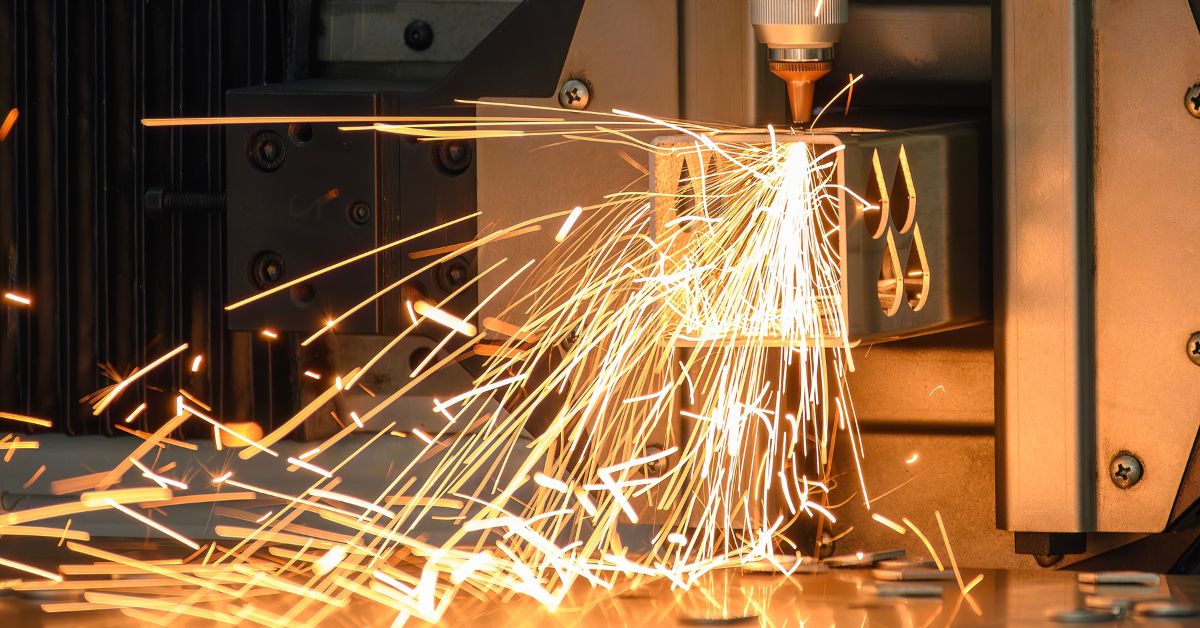
Automated laser cutting systems can load, process and unload materials with minimal operator intervention. Rather than managing every stage manually, operators focus on programming, monitoring performance and quality control. This allows a single employee to oversee multiple production activities at once.
CNC punching systems with automated tool changes and material handling reduce manual setup time while improving consistency. Repetitive punching operations can run continuously with minimal supervision, freeing skilled staff to focus on higher value activities.
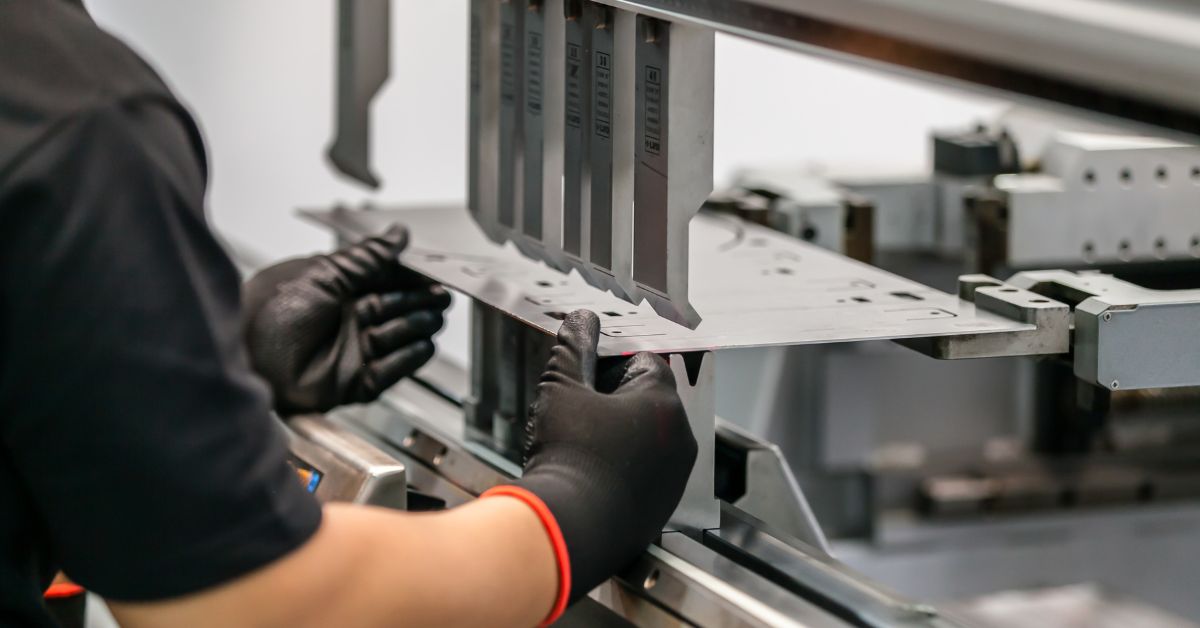
Press brake automation delivers similar benefits. Automated tooling systems, angle measurement technologies and robotic handling solutions reduce dependence on highly specialised operators for routine bending work. Skilled fabricators can then focus on complex projects and technical problem solving rather than repetitive production tasks.
When these systems are integrated throughout the fabrication process, businesses can significantly reduce labour intensity while increasing overall production capacity.
Additional Benefits Beyond Labour Savings
The benefits of automation extend well beyond direct labour reduction. Automated systems produce more consistent results, reducing rework, scrap and quality issues that consume valuable production time.
Improved accuracy supports higher first pass yield rates, helping parts meet specifications without additional processing. Reduced waste also improves material utilisation and lowers overall production costs.
Automation creates greater scheduling reliability because machine performance becomes more predictable. Consistent cycle times help production managers plan workloads more effectively and provide customers with more accurate delivery commitments.
Connected machinery also generates valuable production data. Managers gain better visibility into machine utilisation, bottlenecks and operational performance, supporting more informed investment and process improvement decisions.
These broader efficiency gains often strengthen the business case for automation as much as labour savings themselves.
How GWB Machine Tools Supports Automation Projects
GWB Machine Tools helps Australian and New Zealand manufacturers implement practical automation solutions tailored to their operational requirements. Rather than focusing solely on equipment sales, the company works with businesses to identify where automation will deliver the strongest return on investment.
The team supplies automation ready laser cutting systems, punching machines, press brakes and integrated production technologies from leading international manufacturers. By analysing production workflows, labour allocation and job profiles, GWB Machine Tools helps businesses prioritise automation opportunities that align with their specific goals.
Custom engineering support allows automation systems to be configured around existing production processes, ensuring smoother implementation and stronger long term outcomes. Ongoing service and technical support also help maintain productivity and protect automation investments throughout the equipment lifecycle.
For fabricators seeking to reduce labour costs while increasing throughput and consistency, smart automation provides a practical pathway towards greater efficiency, stronger competitiveness and long term business sustainability.
Choosing between a high powered fibre laser and an ultra high powered fibre laser can significantly affect production efficiency, operating costs and long term return on investment. While larger power ratings often appear attractive, selecting the highest available kilowatt level is not always the most practical solution for Australian and New Zealand manufacturers. The right … High Powered Vs Ultra High Powered Fibre Lasers
Smart automation is transforming metal fabrication by helping manufacturers reduce labour dependency while improving productivity, consistency and operational efficiency. Across Australia and New Zealand, fabricators face ongoing challenges including rising wages, skilled labour shortages and increasing pressure to remain competitive in demanding markets. Traditional fabrication processes often rely heavily on manual handling, repetitive tasks and … How Smart Automation Reduces Labour Costs In Metal Fabrication
A press brake stands as one of the most powerful tools in metal fabrication, designed specifically for bending sheet and plate metal into precise shapes and angles. Learning how to use a press brake — also known as brake pressing — combines technical knowledge with disciplined safety practices and attention to detail. Safe, accurate press … A Practical Guide to Operating a Press Brake