
Short lead times, tight margins and labour shortages continue to challenge sheet metal workshops across Australia and New Zealand. Every inefficiency in production adds cost, especially when machines are not being used to their full capability. This is why the discussion around laser cutting vs punching remains so important. Rather than choosing one process over the other, modern workshops are finding greater value in combining both within a structured workflow.
Understanding the core differences between laser cutting and punching
Laser cutting is a non contact process that uses a focused beam to cut through metal with high precision. Fibre laser systems deliver clean edges, tight tolerances and strong performance across a wide range of materials. This makes them ideal for complex shapes, intricate profiles and jobs where finish quality matters. The flexibility of laser cutting also allows for fast changeovers, which supports high mix production environments.
Turret punching operates through mechanical force, using punches and dies to create holes and forms in sheet metal. This process is extremely efficient for repetitive features such as standard holes and simple shapes. It also enables forming operations like louvres and countersinks within the same cycle, reducing the need for secondary processing.
When comparing laser cutting vs punching, each process clearly excels in different areas. Laser cutting offers design freedom and superior edge quality, while punching provides unmatched speed for repetitive features and built in forming capability. Understanding these strengths is essential for making informed production decisions.
Why integration delivers better production outcomes
Treating laser cutting vs punching as a single choice can limit efficiency. Workshops that rely only on laser cutting may struggle with high volumes of simple holes, while punch only operations can slow down when dealing with complex geometries. Integrating both processes allows each machine to handle the tasks it performs best.
Laser punching integration improves overall workflow by balancing workloads between machines. Punching can handle repetitive features quickly, while laser cutting completes complex profiles with precision. This approach reduces cycle times, improves machine utilisation and lowers cost per part.
Integration also reduces the need for secondary operations. When punching is used for forming and laser cutting is used for clean edges, parts often move directly to the next stage without additional processing. This minimises handling, reduces labour requirements and improves consistency across production.
Automation further enhances these benefits by connecting machines through shared material handling systems. Automated loading, unloading and storage create a continuous flow that supports higher throughput and more predictable production schedules.
Key factors when choosing the right mix
Selecting the right balance between laser cutting and punching depends on the specific needs of each workshop. Material type, thickness and part complexity all influence which process should take priority. High volumes of repetitive components favour punching, while varied and complex parts benefit from laser cutting.
Cost considerations also play a role. Laser systems generally require lower tooling investment, while punching involves maintaining a library of tools. However, the speed of punching for certain applications can offset these costs. Evaluating total cost of ownership, including maintenance and production efficiency, provides a clearer picture than focusing on initial investment alone.
Production flexibility is another important factor. Workshops handling a wide range of jobs benefit from the adaptability of laser cutting, while those with consistent, high volume work may rely more heavily on punching. Combining both processes ensures the ability to respond to changing demand without sacrificing efficiency.
How GWB Machine Tools supports integrated solutions
GWB Machine Tools works with manufacturers across Australia and New Zealand to implement integrated laser and punching systems that align with real production requirements. Rather than focusing on individual machines, the approach centres on complete workflow optimisation.
Each project begins with a detailed assessment of current processes, including material flow, part mix and production targets. From there, systems are designed to integrate laser cutting and turret punching within the available space and operational structure. This ensures that both technologies work together seamlessly rather than operating as separate units.
Automation is a key part of these solutions. By connecting machines through advanced handling systems, GWB Machine Tools helps reduce manual intervention and improve consistency. Installation, training and ongoing support ensure that systems continue to perform effectively over time.
Local service and maintenance support further strengthen these installations. Reliable equipment performance is essential for maintaining production efficiency, and ongoing servicing helps prevent unexpected downtime that can disrupt operations.
Creating a more efficient production strategy
Laser cutting vs punching is not a decision between competing technologies. It is an opportunity to build a more efficient and flexible production system. By understanding the strengths of each process and integrating them effectively, workshops can improve throughput, reduce costs and maintain consistent quality.
A combined approach allows manufacturers to adapt to changing workloads while maintaining high levels of productivity. With the right planning and support, integrating laser cutting and punching becomes a practical step toward stronger operational performance and long term competitiveness.
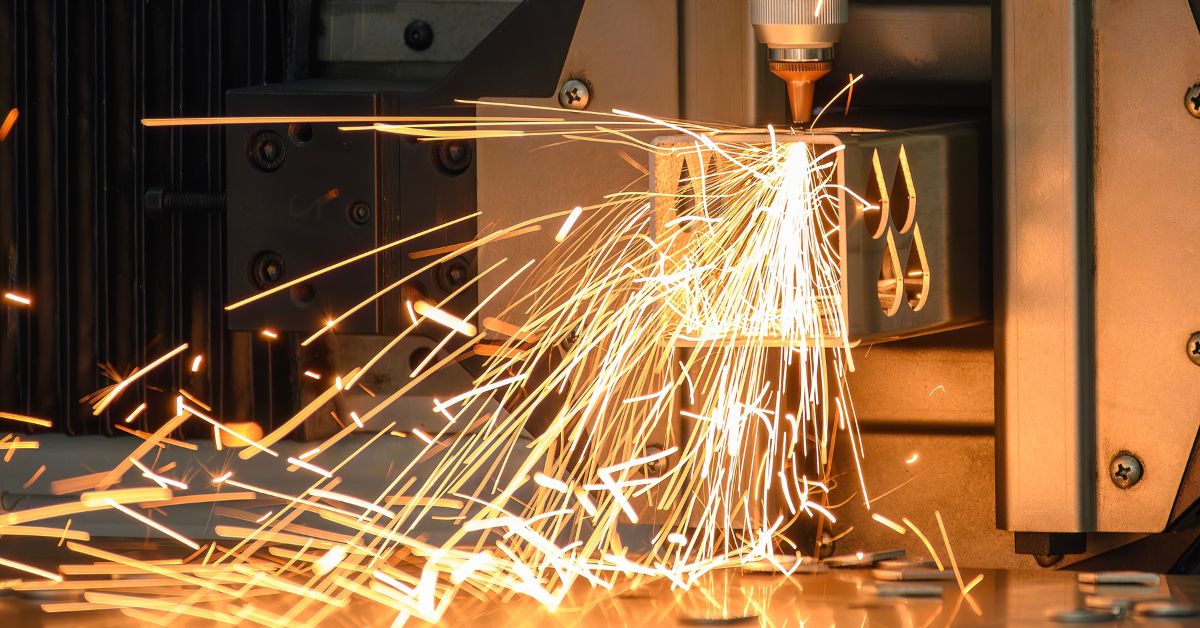
Choosing between a high powered fibre laser and an ultra high powered fibre laser can significantly affect production efficiency, operating costs and long term return on investment. While larger power ratings often appear attractive, selecting the highest available kilowatt level is not always the most practical solution for Australian and New Zealand manufacturers. The right … High Powered Vs Ultra High Powered Fibre Lasers
Smart automation is transforming metal fabrication by helping manufacturers reduce labour dependency while improving productivity, consistency and operational efficiency. Across Australia and New Zealand, fabricators face ongoing challenges including rising wages, skilled labour shortages and increasing pressure to remain competitive in demanding markets. Traditional fabrication processes often rely heavily on manual handling, repetitive tasks and … How Smart Automation Reduces Labour Costs In Metal Fabrication
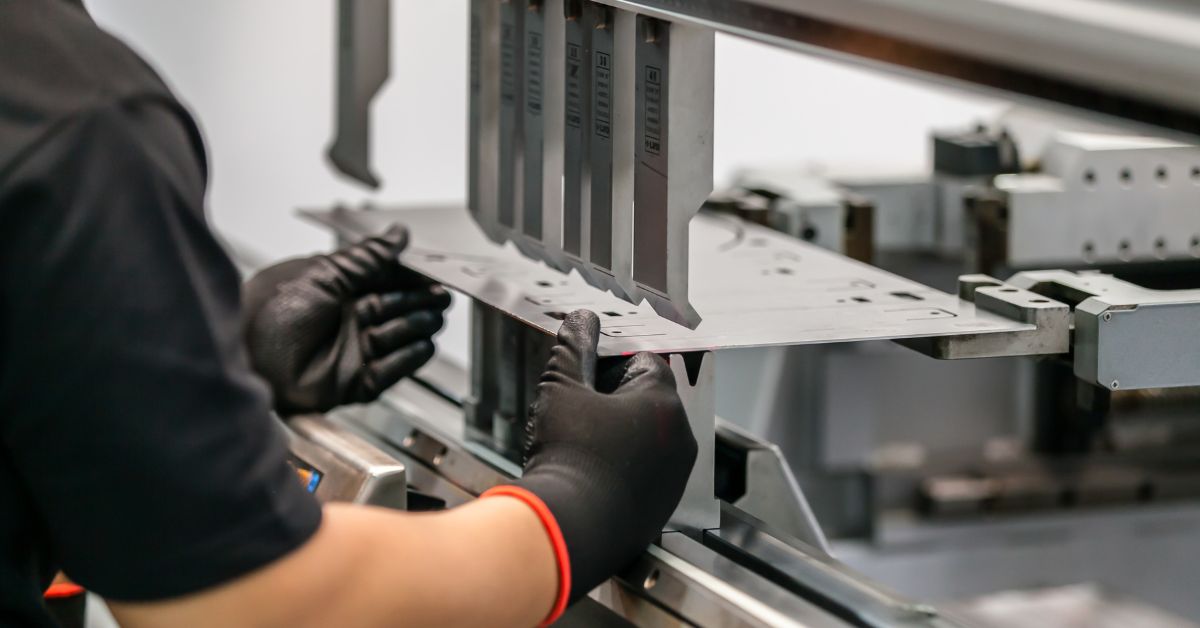
A press brake stands as one of the most powerful tools in metal fabrication, designed specifically for bending sheet and plate metal into precise shapes and angles. Learning how to use a press brake — also known as brake pressing — combines technical knowledge with disciplined safety practices and attention to detail. Safe, accurate press … A Practical Guide to Operating a Press Brake