
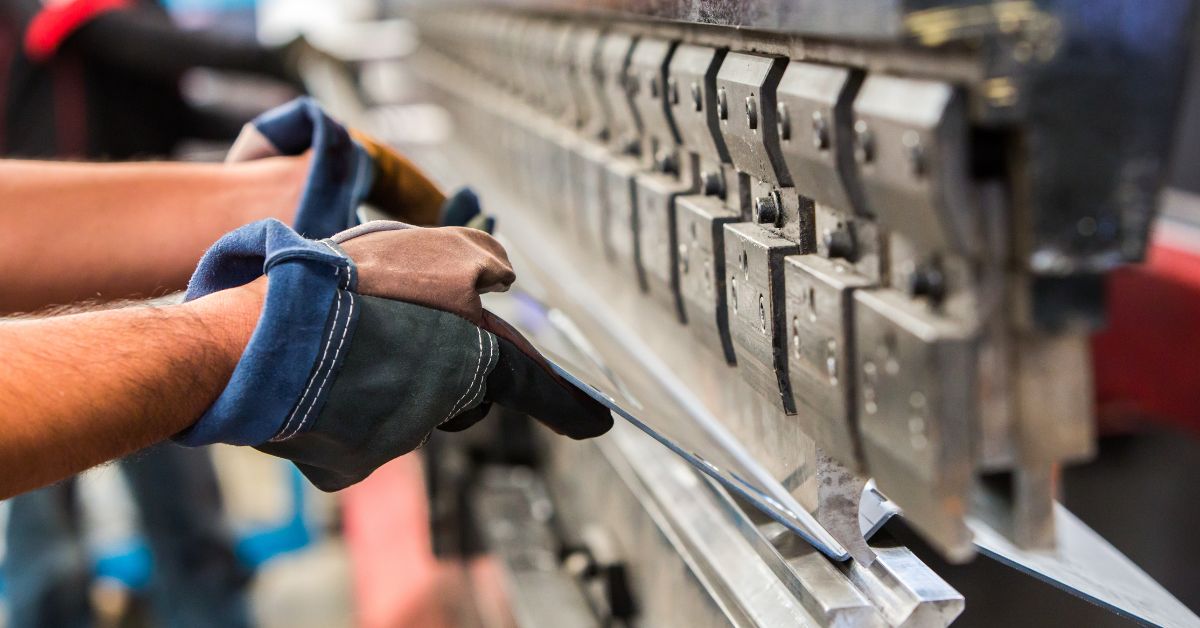
Rising labour costs, a shrinking pool of skilled tradespeople, tighter tolerances, and faster customer expectations are reshaping metal fabrication across Australia and New Zealand. Many workshops have pushed manual processes as far as they can. Overtime and additional staff no longer deliver the gains they once did. Automation systems for fabrication now offer a practical path to higher productivity, improved consistency, and stronger long term competitiveness.
Instead of relying solely on operators to load, cut, bend, and handle parts, modern automation manages repetitive and physically demanding tasks with steady speed and repeatable accuracy. Metal fabrication automation is no longer limited to large automotive plants. Today’s systems are scalable and adaptable, making them suitable for small to mid sized workshops as well as major engineering firms.
The Productivity Case for Metal Fabrication Automation
Manual fabrication is tied to human limits. Fatigue, variation in technique, and inconsistent setups all affect output and quality. Even skilled teams struggle to maintain identical results across long production runs. Automation systems for fabrication remove much of this variability. Once programmed, automated laser cutting, punching, and bending cells operate at consistent speeds across extended shifts, including nights and weekends.
Integrated automation reduces idle time between processes. Material flows directly from storage to cutting, then to bending or finishing, without waiting for forklifts or available operators. This streamlined movement shortens cycle times and increases machine utilisation. Workshops can process more jobs within the same floor space and working hours.
Labour shortages across the manufacturing sector make automation even more relevant. By shifting repetitive tasks to machines, skilled staff can focus on programming, quality assurance, and process optimisation. This improves workforce efficiency while maintaining or increasing throughput. Real time machine data further enhances productivity by supporting predictive maintenance and reducing unexpected downtime.
Key Automation Technologies Driving Efficiency
Automated laser cutting systems form the backbone of many high performance fabrication facilities. Sheet storage towers and automatic loading units feed material directly to cutting tables. Finished parts can be sorted automatically, reducing handling time and keeping the laser active. This continuous operation significantly increases parts per hour output.
Automated punching systems follow a similar model. When combined with loading and stacking solutions, turret punches and combination machines can process full sheet packs with minimal intervention. Operators supervise rather than manually manage each step, increasing output without expanding headcount.
Press brake automation and robotic bending cells add further efficiency. Robots position blanks accurately and execute programmed bend sequences with precision angle control. Automated tool changes reduce setup time and ensure repeatable results from first part to last. When cutting and bending are integrated, workflow becomes predictable and easier to schedule.
Material handling and finishing automation complete the system. Conveyors, deburring machines, and surface preparation equipment maintain consistent flow between processes. Removing bottlenecks ensures that upstream gains are not lost further along the line. The greatest benefits occur when all systems communicate through shared data and coordinated production planning.
Benefits Beyond Output
While higher throughput is a major driver, automation systems for fabrication deliver broader advantages. Quality improves through consistent, repeatable movements that reduce scrap and rework. Precision nesting and accurate bending lower material waste and protect margins.
Cost control strengthens over time. Reduced manual handling lowers labour hours per part, while predictable cycle times improve quoting accuracy. Automated processes also support safer working environments. Robots and handling systems reduce heavy lifting, repetitive strain, and exposure to sharp or hot materials, improving workplace safety and staff retention.
Modern automation enhances uptime through data driven monitoring. Sensors track performance indicators and identify wear before failure occurs. Planned maintenance replaces emergency repairs, keeping production schedules reliable. Sustainability goals are also supported through reduced scrap, optimised material usage, and energy efficient operation.
Automation as a Strategic Investment
Automation systems for fabrication represent more than equipment upgrades. They form part of a broader strategy to strengthen competitiveness in demanding markets. Australian and New Zealand fabricators face pressure to deliver high quality components with shorter lead times and controlled costs. Integrated automation provides the structure needed to meet these expectations consistently.
GWB Machine Tools supports workshops across Australia and New Zealand with automation solutions backed by strong engineering knowledge and technical support. By aligning advanced machinery with practical shop floor requirements, fabricators can transition confidently into higher levels of automation.
Planned investment in automation lifts productivity, enhances quality, improves safety, and strengthens long term resilience. For fabrication businesses seeking reliable growth and greater operational control, automation systems for fabrication offer a clear and measurable path forward.
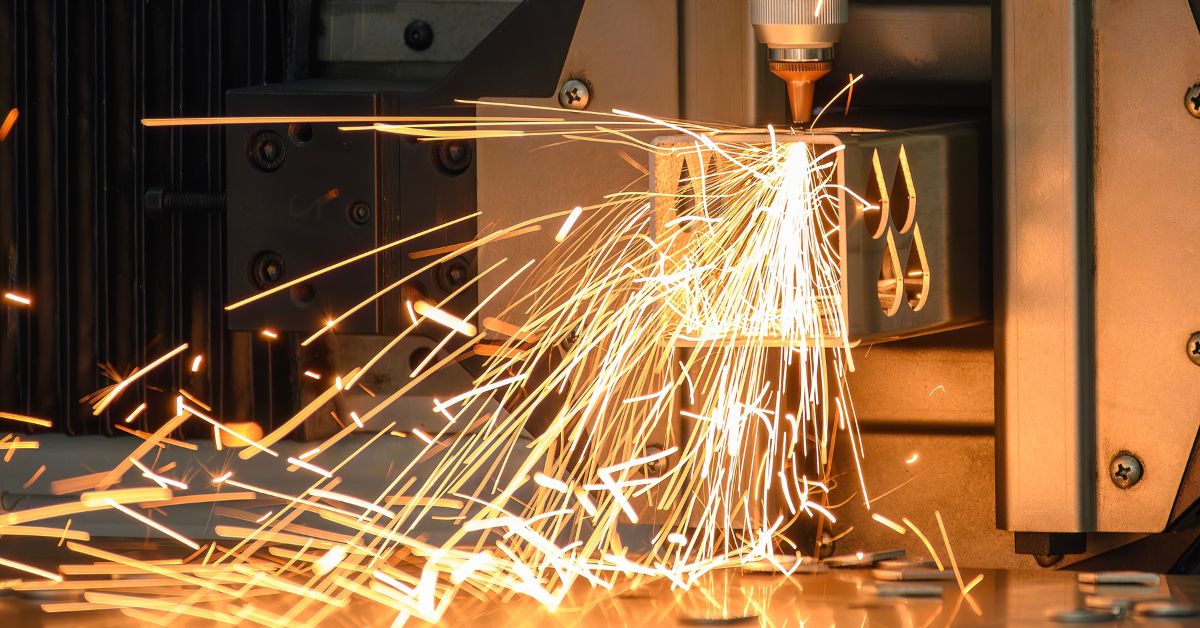
Choosing between a high powered fibre laser and an ultra high powered fibre laser can significantly affect production efficiency, operating costs and long term return on investment. While larger power ratings often appear attractive, selecting the highest available kilowatt level is not always the most practical solution for Australian and New Zealand manufacturers. The right … High Powered Vs Ultra High Powered Fibre Lasers

Smart automation is transforming metal fabrication by helping manufacturers reduce labour dependency while improving productivity, consistency and operational efficiency. Across Australia and New Zealand, fabricators face ongoing challenges including rising wages, skilled labour shortages and increasing pressure to remain competitive in demanding markets. Traditional fabrication processes often rely heavily on manual handling, repetitive tasks and … How Smart Automation Reduces Labour Costs In Metal Fabrication
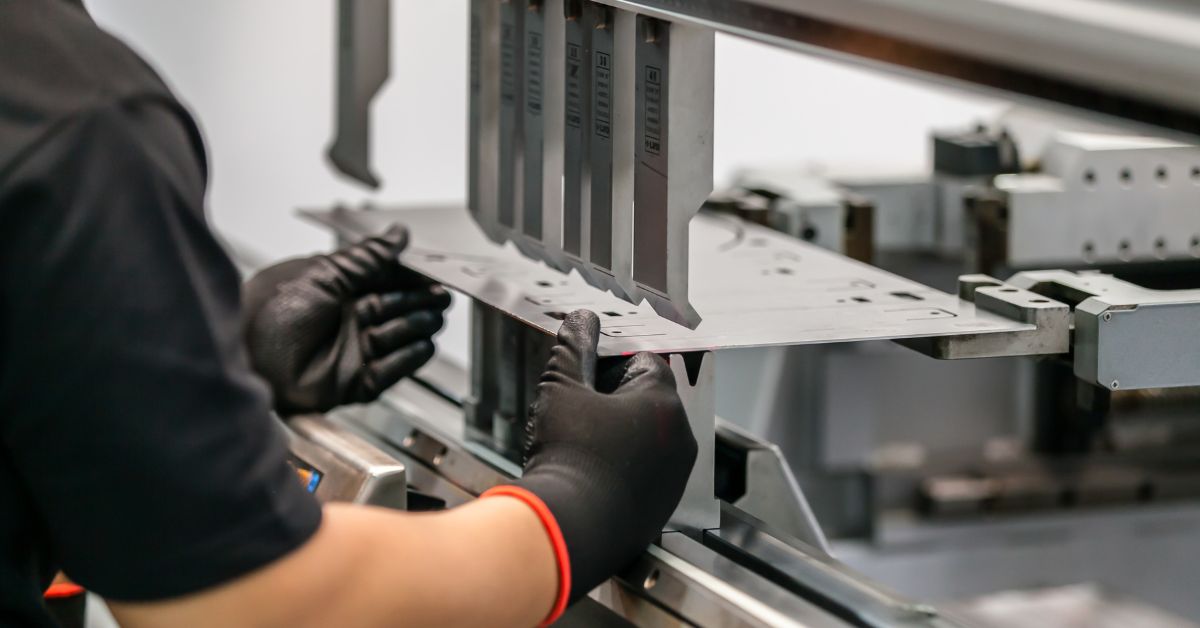
A press brake stands as one of the most powerful tools in metal fabrication, designed specifically for bending sheet and plate metal into precise shapes and angles. Learning how to use a press brake — also known as brake pressing — combines technical knowledge with disciplined safety practices and attention to detail. Safe, accurate press … A Practical Guide to Operating a Press Brake