

Picking new machine tools can feel a bit like choosing the engine for a race car. The frame, tyres, and paint all matter, but the engine decides how fast and how reliably the car runs. In the same way, the machine tools inside a workshop or production line decide how much work gets out the door, how accurate it is, and how much profit stays in the business.
For Australian fabricators and engineering firms, machine tools are one of the biggest capital spends on the floor. The wrong press brake, laser, or CNC machine tool ties up cash, adds rework, and creates bottlenecks that ripple right through the production schedule. The right mix of industrial machine tools, on the other hand, keeps parts moving, holds tight tolerances, and gives space to take on higher‑value jobs.
GWB Machine Tools works with sheet metal manufacturers, engineering workshops, and production plants across Australia and New Zealand that face this decision every year. With decades of engineering experience and access to world‑class metalworking machinery, the team helps match each workshop with the machine tools that fit its work, space, and growth plans. In this guide, the focus stays practical. It covers:
Before looking at catalogues or spec sheets, it pays to be very clear about what the workshop actually does, and what it plans to do. Machine tools should follow the work, not the other way around. Start by listing the typical parts that run through the factory now and those expected in the next few years. As you do this, capture:
Production volume and timing also matter. A shop that runs a few custom jobs per week needs different machine tools from a high‑throughput line turning out the same bracket or chassis component all day. Look closely at:
At the same time, think about tolerance requirements. A structural fabricator can often work with looser tolerances than a supplier of automotive or mining components, where precision machining equipment and accurate repeatability are non‑negotiable.
Part geometry is another key factor. Simple right‑angle bends and straight cuts suit one style of equipment. Panels with intricate contours, formed features, louvers, and large patterns of holes push decision‑making towards advanced CNC machine tools such as turret punch presses and fibre lasers.
Then step back and review the current workflow:
Combine those answers with practical constraints such as floor space, crane access, power supply capacity, and compressed air. Finally, decide whether the workshop should stay flexible for varied contract work, or focus on high‑volume production, as this shapes how specialised each new machine can be.
Most metal fabrication shops in Australia rely on a core group of cutting and forming machine tools.
Press brakes sit at the heart of many operations. Modern CNC press brakes bend sheet metal with high accuracy and repeatability, whether the job involves light‑gauge stainless parts or heavy structural components. Hydraulic press brakes give strong bending power for thick plate and high‑strength material, while electric models offer fast cycling and lower energy use for thinner gauges. Hybrid designs mix the strengths of both and can fit workshops that handle a broad spread of work.
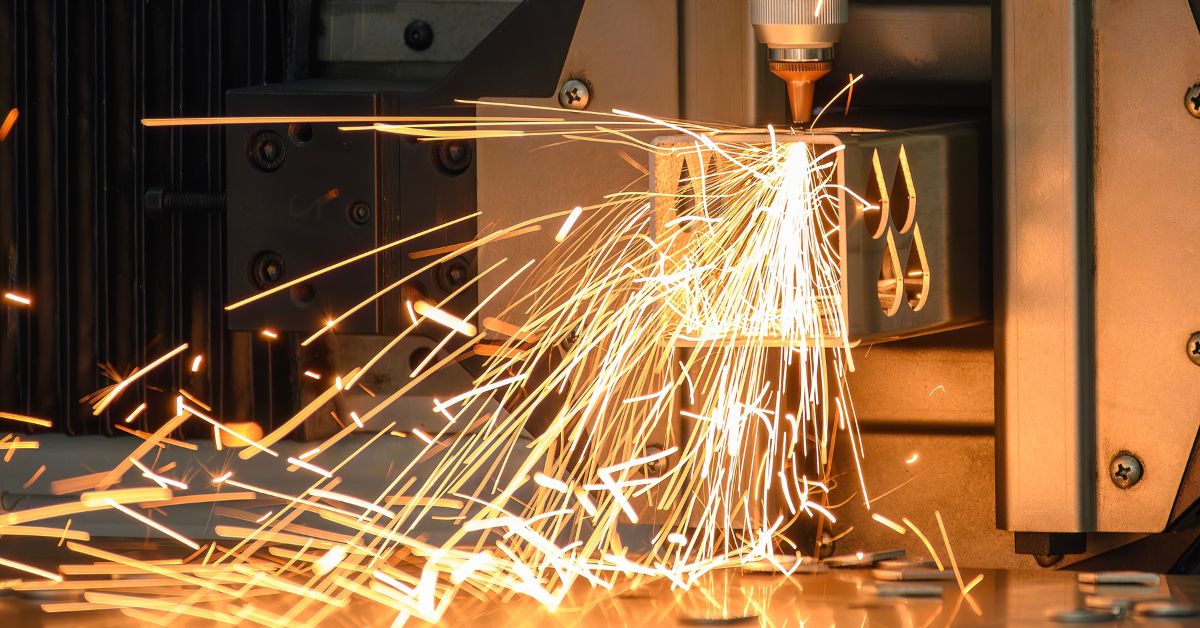
Laser cutting machines have become the go‑to choice for precision cutting. Fibre laser systems cut mild steel, stainless, aluminium, copper, and brass with fine kerfs, clean edges, and minimal waste. They suit both thin decorative panels and thick base plates, and they handle complex contours and tight nests with ease. When matched with smart nesting software and automation, these CNC machine tools can run for long shifts with little supervision, which is valuable where labour is tight.
For parts with many holes, perforations, or formed features, CNC turret punch presses often provide the fastest path. They change tools quickly, handle different shapes, and can punch and form in a single setup. This combination makes them ideal for enclosure panels, brackets, and chassis parts. Guillotine shears sit alongside these machines, giving fast, straight cuts for blanks that later go to press brakes or other equipment, with CNC control keeping backgauge settings accurate from piece to piece.
Plasma cutting systems round out the main cutting family for many workshops. While they do not match fibre lasers for precision, they cut thick conductive materials at very high speeds and lower capital cost, which suits heavy fabrication and repair work where surface finish is less important.
Across all these categories, GWB Machine Tools supplies metalworking machinery from leading global brands, including press brakes, turret punches, laser cutters, and shears, matched with local engineering knowledge so that each workshop receives equipment aligned with its production mix.
Once the main machine type is clear, the next step is to compare individual models and brands with a consistent framework.
Technology level and control systems sit near the top of that list. A modern CNC controller with an intuitive screen, strong processing power, and support for common CAM software can make daily operation far smoother. For many Australian manufacturers, the ability to connect machine tools to factory networks and Industry 4.0 monitoring systems is now a practical way to gain live data on uptime, cycle times, and loading.
Build quality and rigidity have a direct impact on cut quality, bend angle consistency, tool life, and long‑term reliability. A heavy frame, accurate linear guides, and quality drives help keep precision machining equipment within tolerance for years rather than months. When reviewing specifications, it helps to look past headline numbers and ask:
Automation readiness is another key factor. Even a basic load and unload system on a laser or turret punch can free operators for higher‑value tasks and stabilise throughput. Material towers and robotic press brake tending cells take this further, supporting unmanned shifts where that suits the business.
At the same time, it makes sense to run a total cost of ownership analysis. That means looking not only at the purchase price, but also at:
“It is unwise to pay too much, but it is worse to pay too little.” — John Ruskin
Supplier support can make or break the investment. A machine that sits idle waiting for spare parts or a technician quickly erodes any saving made at purchase. Partnering with an Australian‑based supplier such as GWB Machine Tools gives access to factory‑trained engineers, fast access to parts, and practical application advice. This support also helps with planning for growth, as machines that can be upgraded with extra automation or power at a later date are often a smarter choice.
Finally, always confirm that safety systems such as light curtains, guards, and interlocks meet Australian WHS standards and fit the way operators work on the floor.
Buying the right machine tools is only the starting point. The real return appears when the workshop runs them well, maintains them properly, and tracks how they perform over time. Skilled operators sit at the centre of this. When staff understand controls, tooling, workholding, and safety in depth, they can set up faster, hit quality targets more consistently, and spot problems early. GWB Machine Tools provides structured training on operation, programming, maintenance, and safety to help teams build that confidence from day one.
A clear preventive maintenance plan supports reliability. Key tasks include:
These steps help keep lasers, press brakes, and other precision machining equipment running within their specified accuracy. This approach protects both production schedules and the life of the machine tools.
Programming practice also has a big effect on output. Using CAM software at office workstations instead of programming at the control keeps machines cutting or bending while programs are prepared and tested. Clean toolpaths, smart nesting, and well‑planned bend sequences reduce cycle times and material use. Where it suits the work mix, adding sensible levels of automation—even simple sheet loaders or part sorters—supports steadier throughput and improved operator safety.
Ongoing performance monitoring that tracks utilisation, scrap rates, and maintenance cost over time gives management the data needed to fine‑tune processes and keep productivity high. GWB Machine Tools backs this whole cycle with ongoing technical support and industrial machinery maintenance services across Australia and New Zealand.
Choosing machine tools is a strategic decision that ties together current workloads, future growth, and day‑to‑day running costs. With GWB Machine Tools, Australian and New Zealand manufacturers gain access to leading metalworking machinery backed by deep engineering experience and strong local service. For guidance on the best setup for any workshop or production line, contact the GWB team for a detailed review and practical recommendations.
Choosing between a high powered fibre laser and an ultra high powered fibre laser can significantly affect production efficiency, operating costs and long term return on investment. While larger power ratings often appear attractive, selecting the highest available kilowatt level is not always the most practical solution for Australian and New Zealand manufacturers. The right … High Powered Vs Ultra High Powered Fibre Lasers
Smart automation is transforming metal fabrication by helping manufacturers reduce labour dependency while improving productivity, consistency and operational efficiency. Across Australia and New Zealand, fabricators face ongoing challenges including rising wages, skilled labour shortages and increasing pressure to remain competitive in demanding markets. Traditional fabrication processes often rely heavily on manual handling, repetitive tasks and … How Smart Automation Reduces Labour Costs In Metal Fabrication
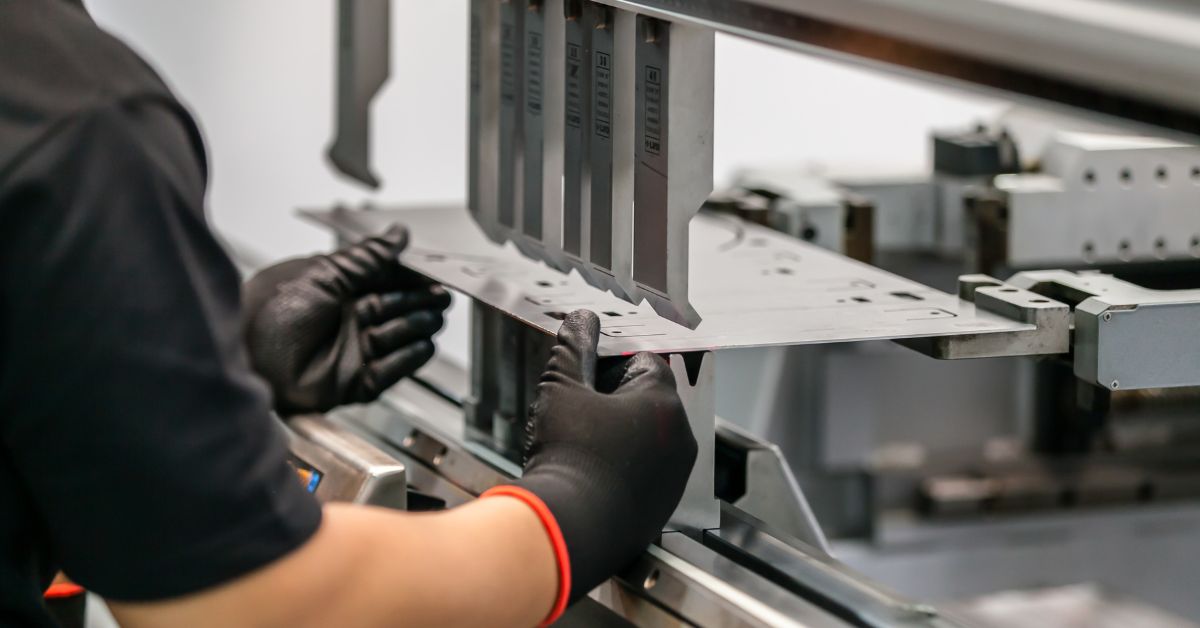
A press brake stands as one of the most powerful tools in metal fabrication, designed specifically for bending sheet and plate metal into precise shapes and angles. Learning how to use a press brake — also known as brake pressing — combines technical knowledge with disciplined safety practices and attention to detail. Safe, accurate press … A Practical Guide to Operating a Press Brake