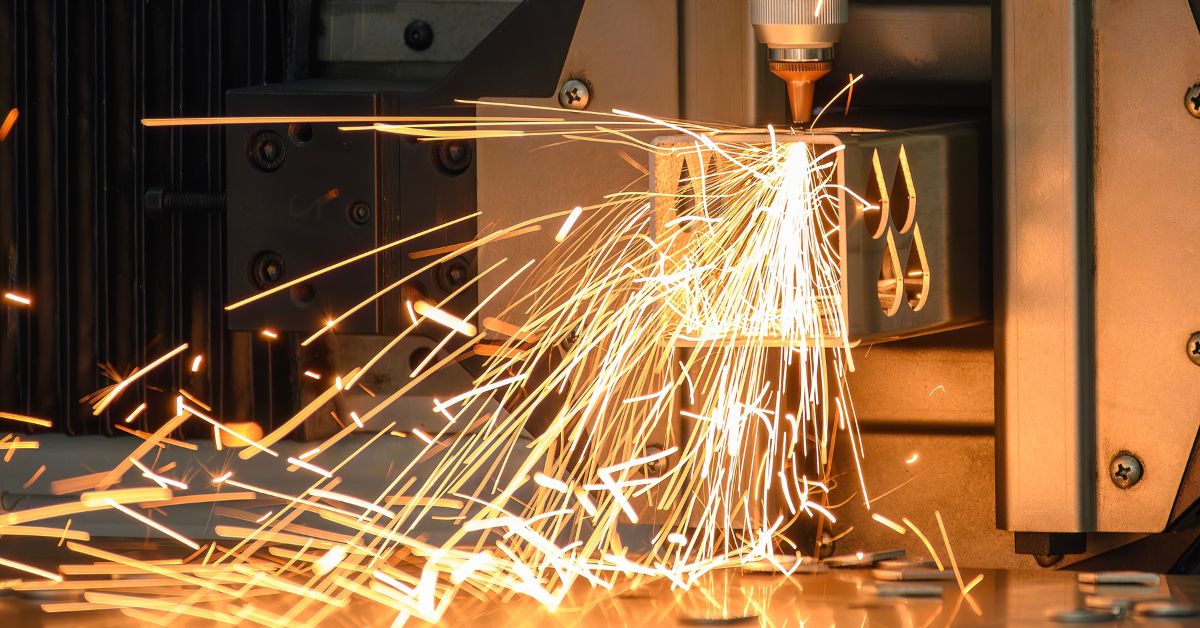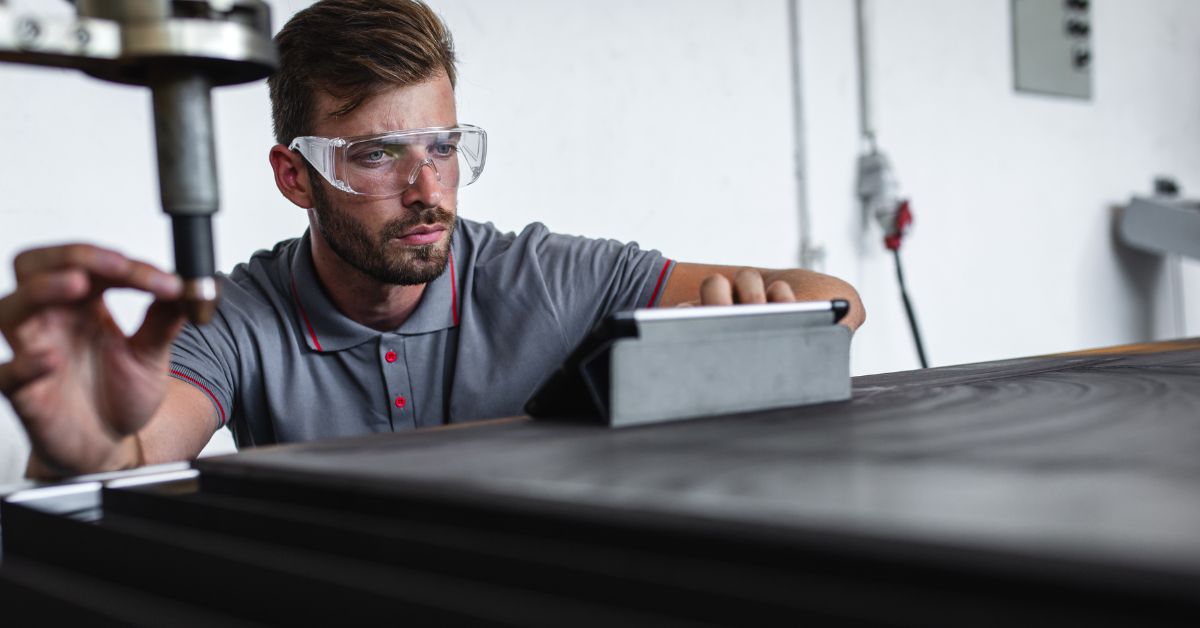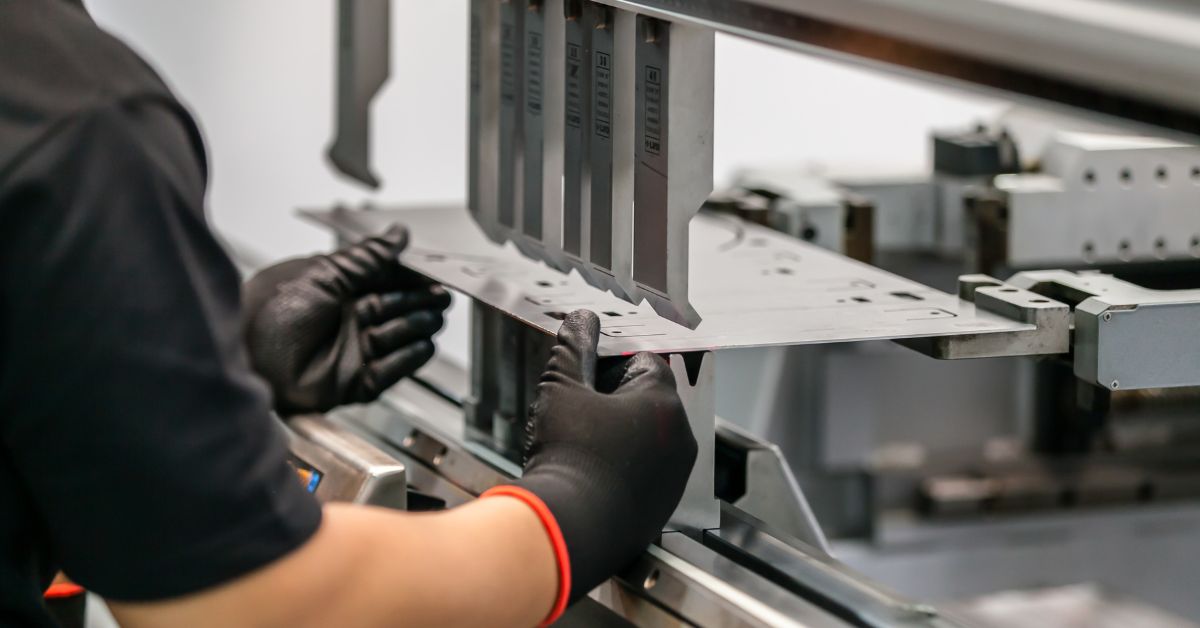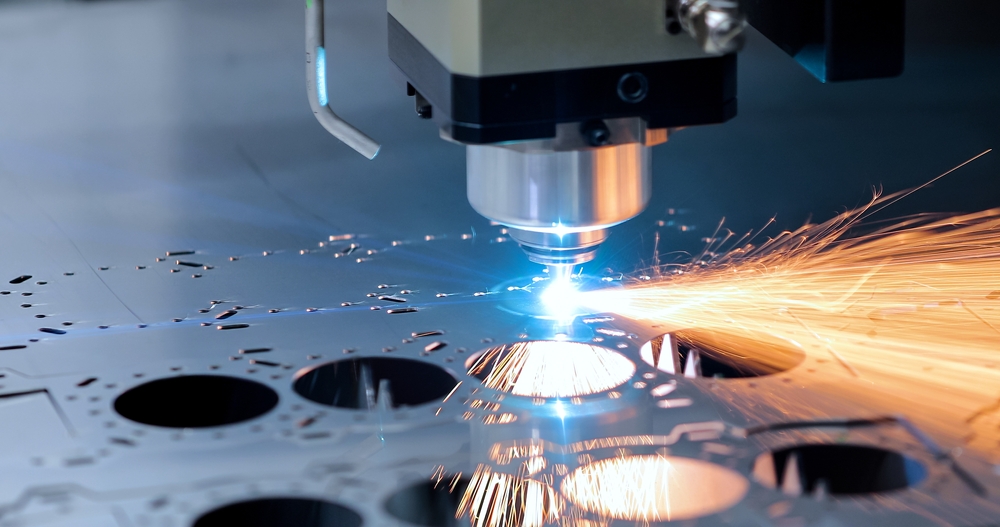
If you’re shortlisting a laser cutting machine Australia wide, you’ll almost certainly be deciding between a fibre laser cutter and a CO₂ laser cutter. Both can be brilliant—when matched to the right materials, thicknesses and production goals. Here’s a practical, shop-floor comparison to help you choose with confidence.
Tech comparison (how they work and why it matters)
- Fibre laser cutter: Uses diodes feeding a fibre cable to the cutting head. No long beam paths or mirror trains. High electrical efficiency, compact footprint, fast acceleration, and excellent reliability with fewer optical components to maintain.
- CO₂ laser cutter: Gas resonator produces a beam guided by mirrors along a fixed beam path. Historically the go-to for flatbed cutting, with smooth edges on thicker sections and broad material compatibility (including many non-metals).
What this means on the floor: Fibre delivers higher wall-plug efficiency and less day-to-day tuning. CO₂ offers versatility (especially on organics), but needs more alignment, optics care and resonator maintenance.
Materials & thickness (match the machine to your parts)
- Metals (sheet and light plate):
- Fibre excels on steel, stainless and aluminium, and handles reflective metals like brass and copper that challenge CO₂. It’s particularly quick on thin-to-mid gauges (e.g., 0.5–12 mm), with modern high-power sources pushing well beyond that.
- CO₂ still cuts steel and stainless well, especially in mid-to-thick ranges, but struggles with highly reflective alloys.
- Non-metals / composites:
- CO₂ wins for acrylic, wood and many plastics, often leaving a polished edge on acrylic.
- Fibre is generally not used for organics.
If your workload is 95% sheet metal laser work, fibre is usually the better long-term bet. If you routinely process acrylic signage or timber along with metal, CO₂ remains relevant.
Edge quality (what your welders and painters will notice)
- Nitrogen cutting (clean edge): On both fibre and CO₂, nitrogen produces an oxide-free edge ideal for downstream powder-coat and welding. Fibre’s higher energy density often means crisper details on thin sheet—with the caveat that parameters and nozzle choice matter to avoid micro-burrs.
- Oxygen cutting (mild steel): Faster piercing and higher speeds on thicker sections, but leaves an oxidised edge that may need prep before coating.
- Thick stainless and aluminium: CO₂ had a reputation for especially smooth edges in heavy gauges; beam-shaping and higher-power fibre sources have largely closed that gap. Run test cuts on your actual parts to compare post-process time, not just cut speed.
Bottom line: for most production sheet metal laser parts, fibre delivers excellent cosmetic and weld-ready edges with the right assist gas and parameters.
Running costs (what you’ll really spend)
- Power consumption: Fibre’s electrical efficiency (often 2–3× CO₂) reduces operating cost per hour—and heat load on your workshop.
- Maintenance:
- Fibre: No resonator gas mix, no mirror trains to align; you’ll still maintain lenses, nozzles, filters and the chiller.
- CO₂: Resonator servicing, optics cleaning/alignment and more frequent downtime windows.
- Assist gas:
- Nitrogen gives the cleanest edges but has a higher ongoing cost unless you add on-site generation.
- Oxygen is cheaper per minute but adds oxide that may require secondary prep.
- Air cutting (with the right compressor/booster and filtration) is increasingly viable on fibre for many mild-steel and aluminium parts, dramatically lowering gas costs while keeping good edge quality for non-show surfaces.
- Consumables: Both technologies use nozzles, lenses and protective windows; fibre often stretches change intervals thanks to shorter optical paths and enclosed delivery.
When you pencil it out, fibre commonly wins on $/part for metal-only shops, especially in thin-to-mid gauges.
Decision tree (quick way to narrow the choice)
Use this as a practical filter for a laser cutting machine Australia purchase:
- Are ≥90% of your parts metal (steel/stainless/aluminium), mostly ≤12 mm?
→ Choose fibre laser cutter (speed, efficiency, reflective-metal capability).
- Do you regularly cut acrylic/wood or require polished acrylic edges?
→ Keep/choose CO₂ laser cutter (or run a small CO₂ alongside fibre).
- Is brass/copper in the mix (electrical work, decorative trims)?
→ Fibre handles reflective alloys safely and quickly.
- Are gas costs a concern and parts are mostly functional (not show edges)?
→ Consider fibre with air-cutting capability + clean, dry boosted air.
- Mostly thick mild steel (>20–25 mm) and simple shapes?
→ Evaluate high-power fibre vs plasma for cost/speed; run sample parts.
- Need ultra-tight tolerances on small features and fine kerf?
→ Fibre (especially at lower power settings with short focal lengths).
- Mixed, low-volume jobbing shop needing maximum material flexibility?
→ CO₂ can still earn its keep—particularly if non-metals are billable work.
What to test before you buy
- Your real parts: materials, gauges, smallest features, pierce counts and nest density
- Edge quality vs post-process time (deburr, weld prep, paint)
- Assist-gas scenarios (nitrogen vs air vs oxygen) and total gas cost per part
- Downtime windows and service availability in your region
- Software/nesting efficiency, pierce strategies and operator workflow
Still deciding which laser cutting machine Australia shops should consider for your workload? Talk to GWB Machine Tools. We supply and support advanced fibre laser cutter and CO₂ laser cutter solutions across Australia and New Zealand, with realistic ROI modelling, sample cuts on your parts, and guidance on assist-gas (including air-cutting) to minimise running costs.
Let’s map your materials, thicknesses and finish requirements to the right machine—and keep your sheet metal laser line profitable from day one.