
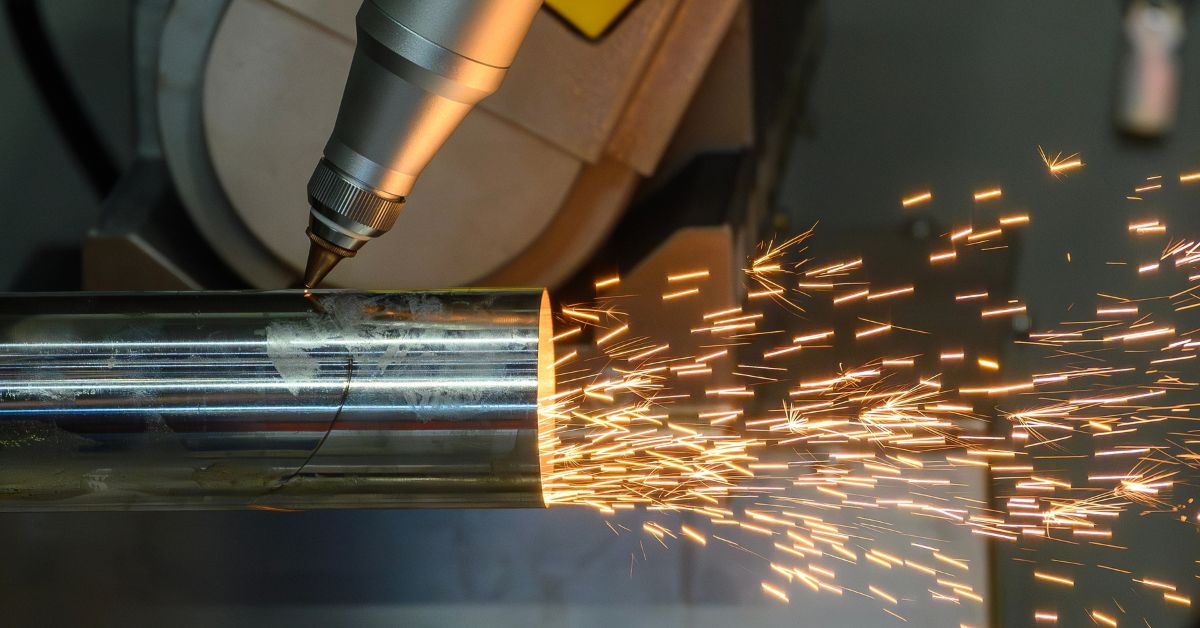
If your fabrication floor still relies on manual saws, drill presses and templates for tube work, you may be leaving speed, accuracy and margin on the table. A laser cutting machine for tubes streamlines production from raw length to finished, assembly-ready parts—especially as geometries get tougher and volumes rise. Here’s how to tell when it’s time to move from conventional tools to a dedicated tube laser cutter.
As soon as your drawings show mitres, fish-mouths, slotted holes, copes, logos, bevelled edges or interlocking tabs, traditional cutting and drilling begin to compound errors. Jigs wear, operators vary, and multi-step handoffs introduce tolerance stack-up.
A laser cutting machine for tubes handles square, round, rectangle and open profiles with CNC precision. Complex features—slot arrays, saddle cuts for pipe cutting, pierce-then-cut sequences—are executed in one clamping, so hole-to-edge and cut-to-cut relationships stay tight. That means parts fit first time at the weld station, with less rework and less fixture complexity. If your team is spending time blending grinder marks or “finessing” joints to close gaps, a tube laser minimises that finish work by delivering clean, repeatable edges.
“Takt time” is the rhythm of your line—the maximum time available to make a part and still meet demand. Conventional saw-and-drill routes break takt because they rely on multiple queues: cut, deburr, mark, drill, deburr again, then verify.
A tube laser cutter collapses those steps. It measures, clamps, locates, cuts, etches and unloads in a continuous cycle, often with automatic bundle loading and part sorting. That consistency makes scheduling easier: you can quote tighter lead times and keep downstream welding and assembly fed at a steady pace. If you’re missing ship dates due to upstream variability, the tube laser’s single-flow process is a straightforward way to stabilise your takt.
Every secondary operation adds cost—even the “small” ones.
If your travellers show six or more touches before a tube reaches weld, a laser cutting machine for tubes can remove half of them.
Upgrading equipment is a business decision, not just a technical one. Think in terms of throughput, labour hours and scrap.
Yes, capex is higher than a saw and pedestal drill, but when you model the numbers against current volumes—and the work you turn away due to complexity—the payback often arrives sooner than expected. The tipping point usually appears when you’re running repeat tube jobs weekly, quoting intricate features, or chasing QA issues from multi-step processing.
Consider upgrading if any of these sound familiar:
If that’s your world, a tube laser cutter aligns production with your drawings—fast, accurate and repeatable.
Ready to test whether a laser cutting machine for tubes makes commercial sense for your shop? GWB Machine Tools has supplied advanced cutting, punching, bending and processing solutions to manufacturers across Australia and New Zealand since 1990. We can review your parts mix, model takt time gains, and map which secondary ops disappear—so you can weigh capex vs throughput with real numbers.
Talk to GWB Machine Tools about tube and pipe cutting solutions tailored to your workload. Book a consult, request sample cuts, or line up a demo to see the difference on your own profiles.
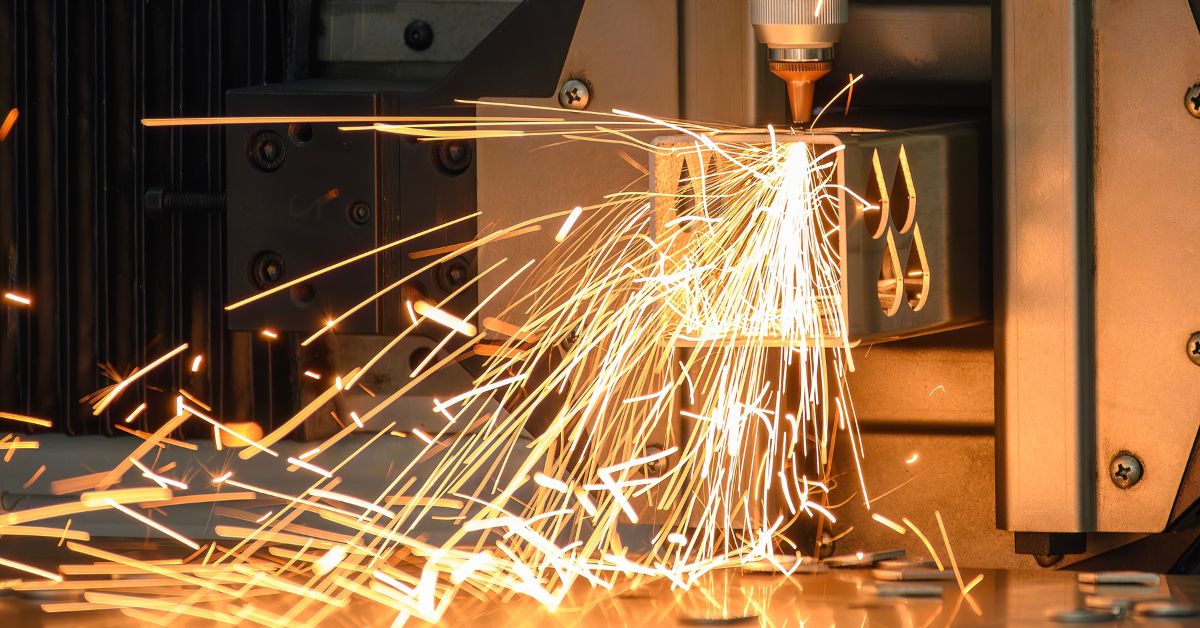
Choosing between a high powered fibre laser and an ultra high powered fibre laser can significantly affect production efficiency, operating costs and long term return on investment. While larger power ratings often appear attractive, selecting the highest available kilowatt level is not always the most practical solution for Australian and New Zealand manufacturers. The right … High Powered Vs Ultra High Powered Fibre Lasers
Smart automation is transforming metal fabrication by helping manufacturers reduce labour dependency while improving productivity, consistency and operational efficiency. Across Australia and New Zealand, fabricators face ongoing challenges including rising wages, skilled labour shortages and increasing pressure to remain competitive in demanding markets. Traditional fabrication processes often rely heavily on manual handling, repetitive tasks and … How Smart Automation Reduces Labour Costs In Metal Fabrication
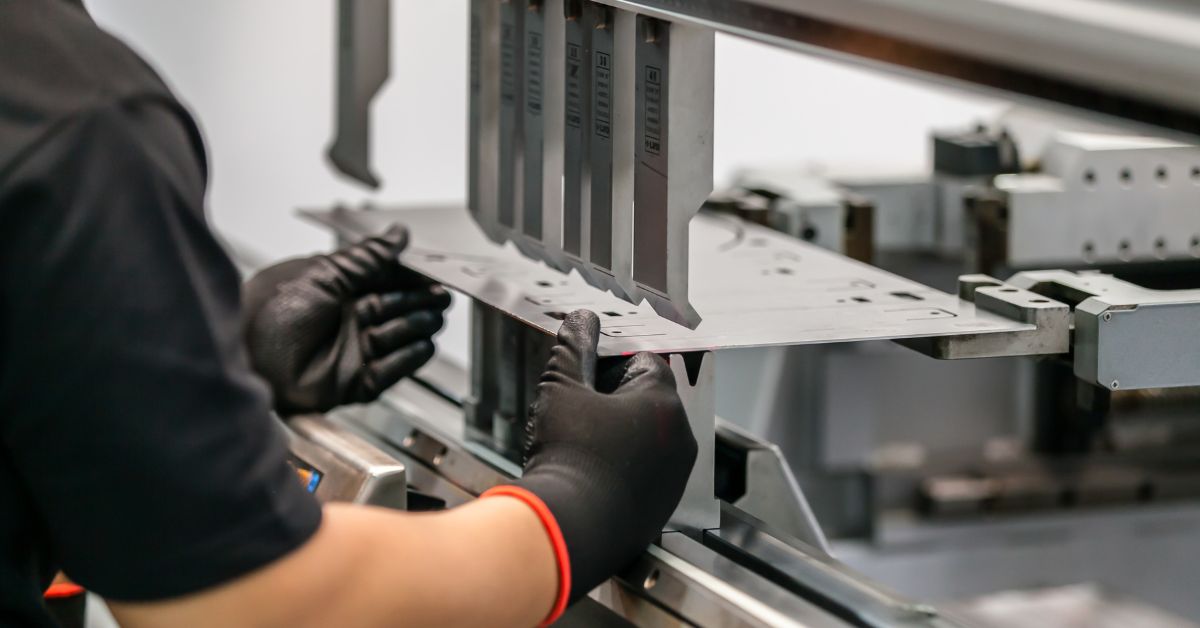
A press brake stands as one of the most powerful tools in metal fabrication, designed specifically for bending sheet and plate metal into precise shapes and angles. Learning how to use a press brake — also known as brake pressing — combines technical knowledge with disciplined safety practices and attention to detail. Safe, accurate press … A Practical Guide to Operating a Press Brake