How Nitrogen Generators Work: A Detailed Overview

The Role of Nitrogen Generators in Industrial Processes

Nitrogen gas (N₂) is indispensable across many sectors—ranging from food packaging to chemical processing, and especially in metal industries for laser cutting and heat treatment. Rather than relying on bottled cylinders or frequent deliveries, an on-site generator produces high-purity nitrogen from ambient air. If you’re wondering “how does a nitrogen generator work”, the short answer is: it separates nitrogen from oxygen on demand—cutting costs, improving sustainability and ensuring a continuous supply during critical operations.

Generating nitrogen on demand also ensures control over purity levels (adaptable to each process’s needs) while reducing the carbon footprint linked with transporting gas cylinders. Below, we’ll dive into how nitrogen generators function, explore different generation methods, and highlight how they benefit metal fabrication and related industries.


Basic Principles of Nitrogen Generation

Atmospheric air is ~78% nitrogen, ~21% oxygen and ~1% other gases. To explain ‘how does a nitrogen generator work’, think separation: the system extracts nitrogen and vents the excess oxygen/trace gases, delivering a controlled purity stream for production. Key separation technologies include:

  • Adsorption-based methods: Exploit differences in molecular size or binding properties between nitrogen and oxygen.
  • Membrane-based methods: Use selective permeation to separate nitrogen from other gases.
  • Cryogenic distillation: Liquefy and fractionally distill air at very low temperatures, isolating nitrogen from oxygen.

Each approach aims to isolate nitrogen at purities often exceeding 95%, 99.5%, or even 99.999% (depending on system design and application requirements).


Types of Nitrogen Generators

  1. PSA (Pressure Swing Adsorption)
    • Principle: To understand how a nitrogen generator works with PSA, compressed air feeds vessels packed with carbon molecular sieve (CMS). Oxygen is preferentially adsorbed; nitrogen flows onward. The vessel then depressurises to purge oxygen and repeats the cycle for continuous supply.
    • Advantages: Highly efficient for purities up to ~99.99%. Setup can be straightforward, with minimal operator intervention once installed.
  2. Membrane Nitrogen Generators
    • Principle: In a membrane system, air travels through hollow fibres that selectively allow oxygen and water vapour to permeate out, leaving a higher nitrogen content on the other side.
    • Advantages: Lower maintenance; good for moderate nitrogen purity (generally 95–98%). Typically have fewer moving parts than PSA units.
  3. Cryogenic Generators
    • Principle: Cryogenic distillation cools air until it liquefies. Oxygen, nitrogen, and other gases boil off at different temperatures, allowing fractional distillation to isolate nitrogen.
    • Advantages: Produces ultra-high purity nitrogen (99.999%+). Suitable for very large volume requirements, though initial investment and operational costs can be higher.

Step-by-Step Operation

While each generator type differs, most follow a broad sequence:

  1. Air Intake and Compression
    • The generator pulls in ambient air via a compressor. Filters remove dust, oil vapours, and other contaminants, ensuring a clean feed for separation.
  2. Separation Process
    • PSA: Air passes through adsorption vessels, capturing oxygen on carbon molecular sieves, letting nitrogen flow onward. The system then “swings” (depressurizes) to release oxygen, cycling back and forth.
    • Membrane: Compressed air travels through a membrane filter, with oxygen permeating out. Nitrogen collects on the opposite side, flowing at the desired purity.
    • Cryogenic: Air is chilled to liquefy components, then heated in fractional columns to separate nitrogen from other gases.
  3. Nitrogen Storage or Delivery
    • Once separated, nitrogen may go into a buffer tank or storage vessel, ensuring a consistent supply for downstream processes.
  4. Monitoring and Control
    • Sensors and controllers manage pressure, flow, and purity levels. Some generators even adjust automatically to changes in demand


Applications in the Metal Industry

  1. Laser Cutting
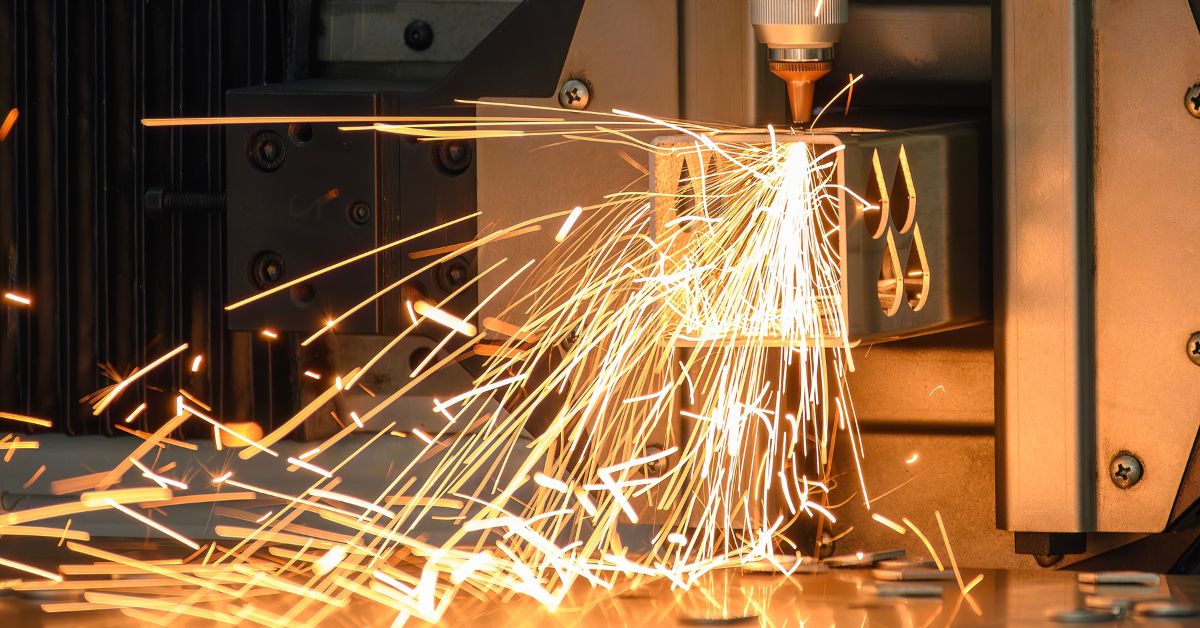
    • Nitrogen is often used as a shield gas in laser cutting. Purity and consistent supply are paramount for a clean, oxidation-free cut edge. On-site generators guarantee minimal downtime and eliminate the hassle of ordering cylinders.
  2. Heat Treatment
    • Creating inert atmospheres inside furnaces is essential to prevent oxidation of metal surfaces. Nitrogen’s dryness and inert nature maintain the metallurgical properties of critical components.
  3. Blanketing and Pressurization
    • In metal powder storage or production lines, nitrogen can be used to blanket containers, minimizing moisture uptake and preventing oxidation or explosive atmospheres.
  4. Soldering and Brazing
    • Nitrogen helps in electronics or delicate metalwork by reducing oxygen levels around the solder joint, improving bond quality and finish.

Nitrogen generators offer cost savings, flexibility, and consistent purity when supplying inert gas to metal fabrication and other industries. Understanding how a nitrogen generator works—from the compression and separation stages to real-time purity monitoring—reveals why many companies are ditching cylinder deliveries for self-sufficient, on-site setups. Whether using PSA, membrane, or cryogenic technology, the benefits of in-house nitrogen production include reduced downtime, improved process control, and a direct path to enhanced quality and efficiency in everyday operations.
 

Stay Connected

Latest News

Young engineer setup laser cutter for work in metalwork workshop.

How To Choose The Right Machine Tools For Your Workshop Or Production Line

December 8, 2025

Introduction Picking new machine tools can feel a bit like choosing the engine for a race car. The frame, tyres, and paint all matter, but the engine decides how fast and how reliably the car runs. In the same way, the machine tools inside a workshop or production line decide how much work gets out How To Choose The Right Machine Tools For Your Workshop Or Production Line

Read more

Methods of Generating Nitrogen for Industrial Applications

December 8, 2025

Nitrogen generation refers to the process of separating nitrogen from atmospheric air, which naturally contains about 78% nitrogen. For decades, Australian manufacturers relied on traditional supply methods like gas cylinders and bulk liquid deliveries. However, the industrial landscape has shifted dramatically toward on-site nitrogen generation systems. This transformation particularly benefits Australian sheet metal manufacturing companies, Methods of Generating Nitrogen for Industrial Applications

Read more
shear cutting machine

A Practical Guide to Operating a Press Brake

December 8, 2025

A press brake stands as one of the most powerful tools in metal fabrication, designed specifically for bending sheet and plate metal into precise shapes and angles. Learning how to use a press brake effectively opens doors to countless fabrication possibilities across automotive, aerospace, construction, and electronics industries. The machine harnesses the natural ductility of A Practical Guide to Operating a Press Brake

Read more
GWB Machine Tools provides machine cutting and folding solutions for sheet metal manufacturers and engineers operating in Australia and New Zealand.
Stay Connected

Subscribe to our newsletter and stay informed
GWB Machine Tools © 2022. All rights reserved.
Developed by Rise SEO - Web Design & SEO Brisbane